History Of Violence theatre review: An uncompromising triumph
One of the tentpole shows of Adelaide Festival's 2026 programme, this knotted adaptation of Édouard Louis’ novel is compelling and brutal
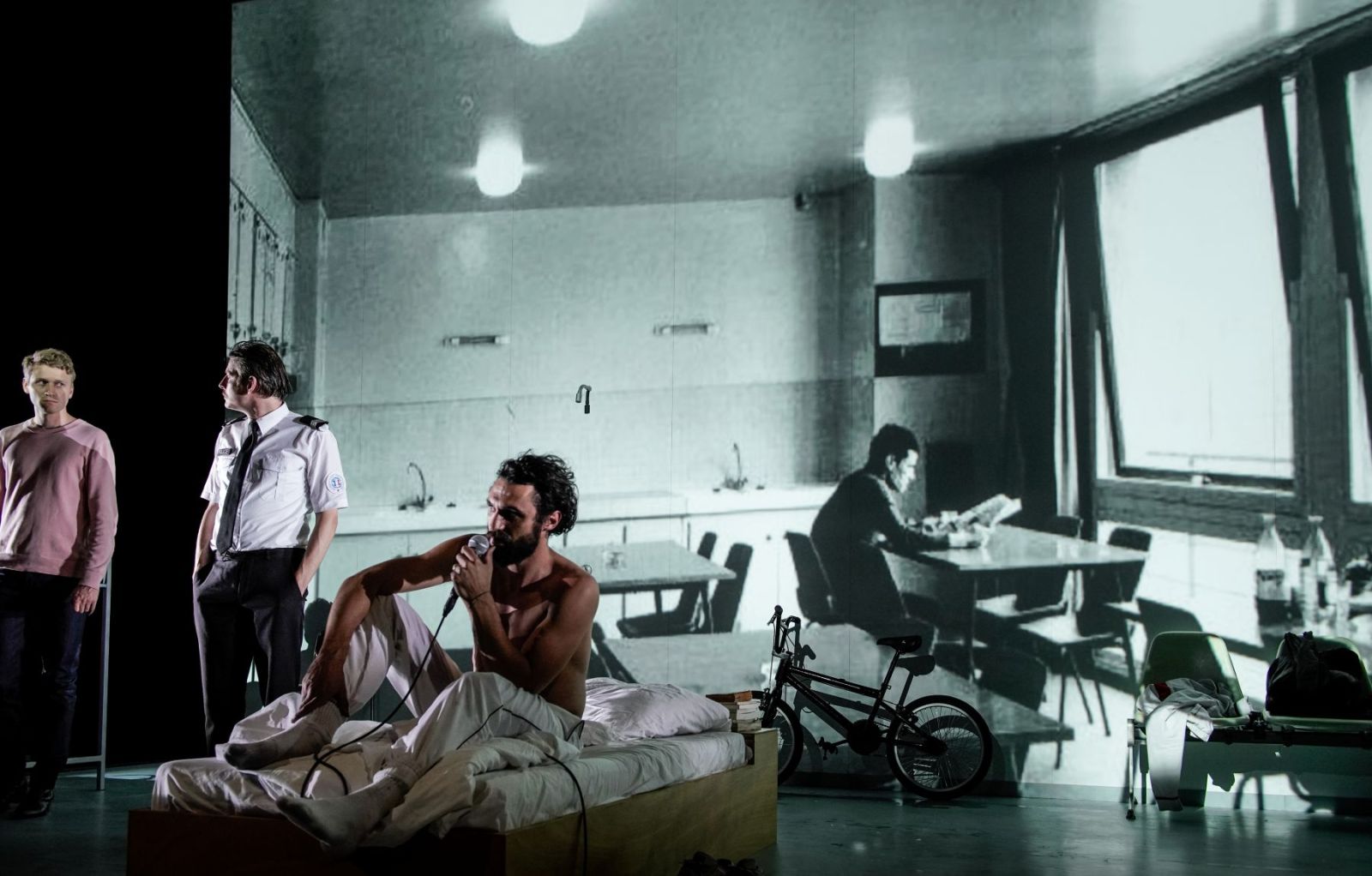
History Of Violence, based on the book by Édouard Louis, is one of the highlights of this year’s Adelaide Festival. Directed by the renowned Thomas Ostermeier, it’s ostensibly about the aftermath of a single act of sexual violence, after Édouard meets Reda on the street on Christmas Eve and brings him home. But it scrapes and scratches between the surfaces, to become a story of memory, relationships and the way we disbelieve, disregard and recreate our own histories as we tell them.
Performed in German, with English subtitles, Ostermeier brings the action to us with clever use of intimate live action video. Even in the large space of the Dunstan Playhouse, we can see every hair, every shake, every wide-eyed stare from the cast. It’s a brilliant device that places us in the heart of the action, as Édouard and Reda lie nose to nose, tenderly casting and recasting their own histories, or the forensic team sift for evidence amongst snowflakes of fingerprint dust that sparkles in the light.
Equally central is the relationship between Édouard and his sister, Clara, in a brilliantly and beautifully realised recreation of a trauma-bonded sibling relationship. With both on stage at the same time, we switch between their versions of the story, Clara bringing all her own history of her brother’s behaviour to nitpick, disagree and pull apart, even as the police do the same with their quick assumptions, racism and homophobia. But then there’s a perfect, glorious moment, when Clara physically stands up to her brother’s attacker: one for all the elder daughters in a packed house, who respond accordingly.
When it finally comes, the violence of Reda’s act is brutal, hard to watch and perhaps the only objectively ‘true’ moment of the whole play because we see it for ourselves. Yet over Adelaide’s bars and dinner tables, as we retell the plot, we no doubt become complicit in our own softening, our own editing. There are no easy answers here and the audience is never handed a red thread of truth to pull upon. As Édouard says, ‘the only way to remember is to forget,’ and this layer on shifting layer of memory makes for compulsive viewing, if not a clear conclusion, and utterly brilliant theatre.
History Of Violence concluded at Dunstan Playhouse on March 2; picture: Arno Declair.