Joanne Hartstone on fringe leadership: 'If we look at the people running fringes at the moment, it’s all women'
As she marks 20 years at the Adelaide Fringe, the actor, producer and writer explains how her experiences have shaped and changed her career
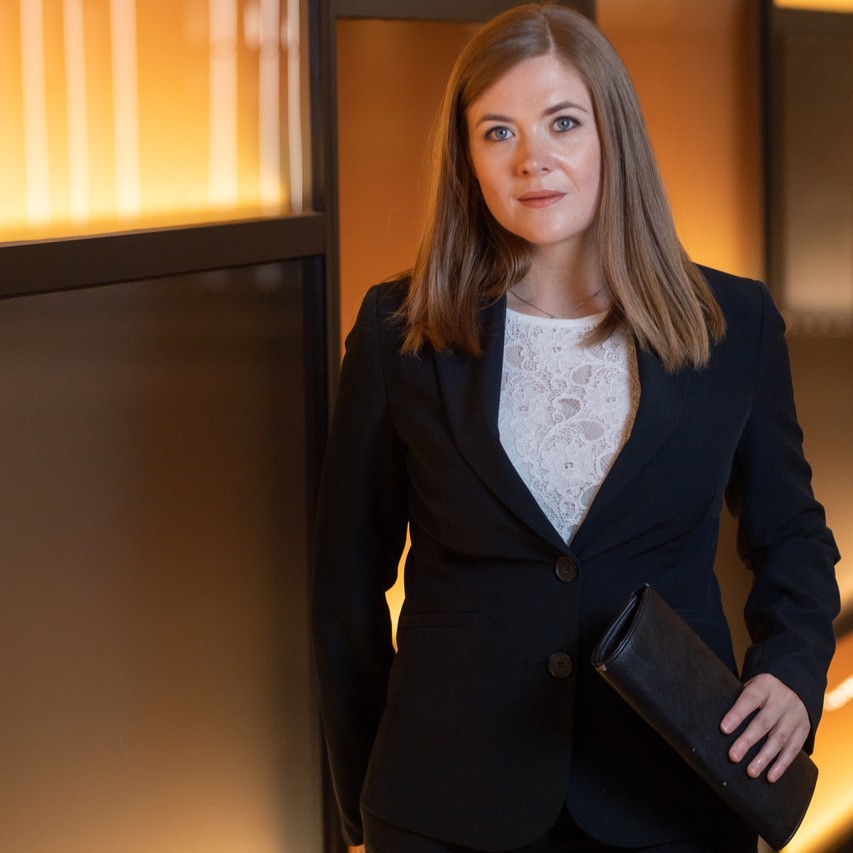
Tell me a little bit about yourself, tell me the things I won’t find on Wikipedia. It’s a common enough interview opener, designed to get a interviewee to pull out the background details that are important to them, the stuff that isn’t necessarily on their CV. It makes Joanne Hartstone laugh. ‘I don’t have a Wikipedia page. I applied but I’m not interesting enough or famous enough. Although apparently I could get one if I paid them $800, so you know…’
It’s a good start, and a typically self-effacing response from the actor/producer/writer who celebrates her 20th year at Adelaide Fringe in 2026. ‘I’m a product of being born and raised in the festival state,’ she says. ‘I’ve emerged as an artist and an arts entrepreneur because I've grown up and gone through my life in a place that prioritises the arts.’
The Flinders Drama Centre graduate started her professional career in fringe theatre at home and overseas. But she quickly learned to multi-task. ‘I started producing because I started self-producing. Rather than saying “what is the job?” I said “yes” to jobs that were offered. In my first Fringe I acted in the ensemble; the next year I wrote and appeared in a cabaret with a couple of girls from drama school and directed a show with friends from Sydney, taking over a space where the two could run back-to-back. So I was already doing two things at once. I dived in.’
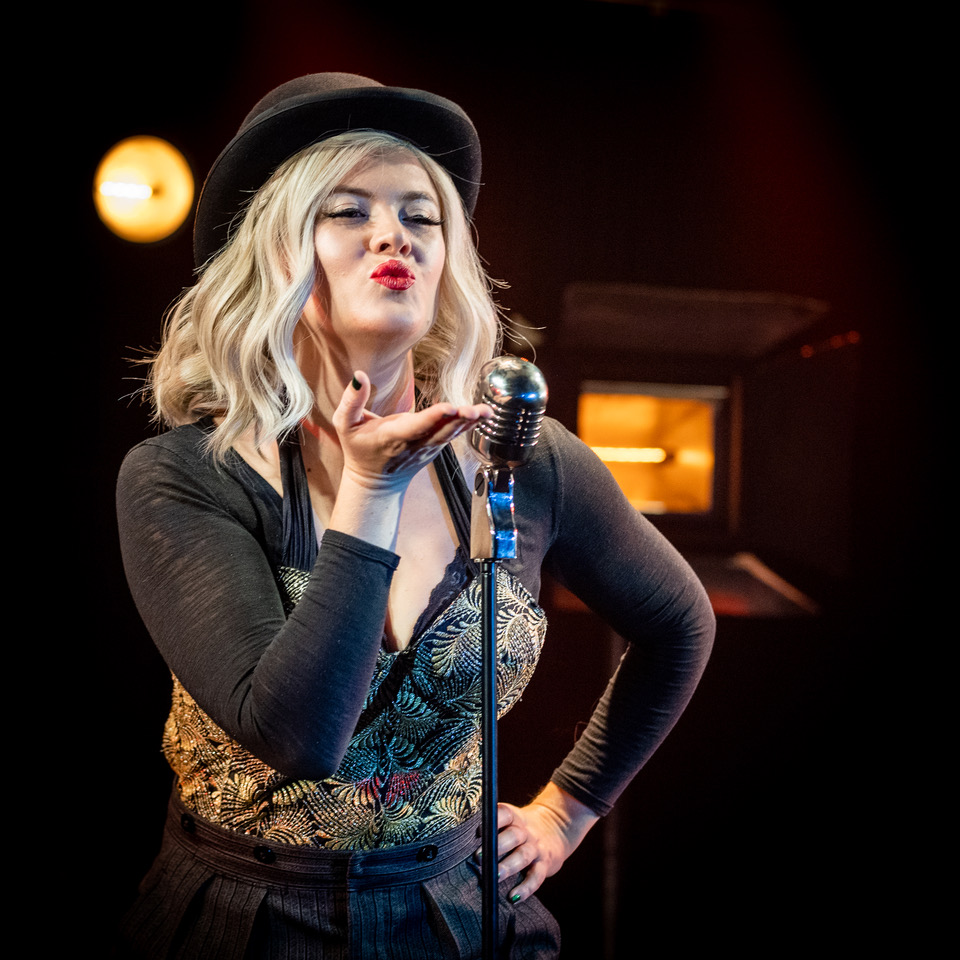
An assistant director job in the UK turned into a stint as a publicist, which led to performing and managing publicity for a UK tour of a David Mamet play. ‘Nothing is wasted, even throwing me into do publicity in the Edinburgh Fringe when I was 24 and had never been to Edinburgh before. I learned a lot.’
90% of actors are unemployed at any given time, a stat repeated so often during any drama training that it quickly loses meaning. But it galvanised Hartstone. ‘I started producing for other people because I had the skills and resources to help other people do the thing that I was doing, because I recognised I couldn't create a new show for myself every year, and because I wasn’t waiting for the phone to ring for someone to put me in a show.’
She says she probably produces and presents more than she performs now, despite a large-scale show in the Adelaide Cabaret Festival last year. But if she could only pick one skill, what would it be? That’s a complicated question for a sole parent, she says. I mis-quote Virginia Woolf, who believed mothers need a room of one’s own to create, clumsily substituting Cyril Connolly’s pram in the hall, which he believed was the antithesis of good art. I suspect Hartstone is too busy to have patience for either of them.
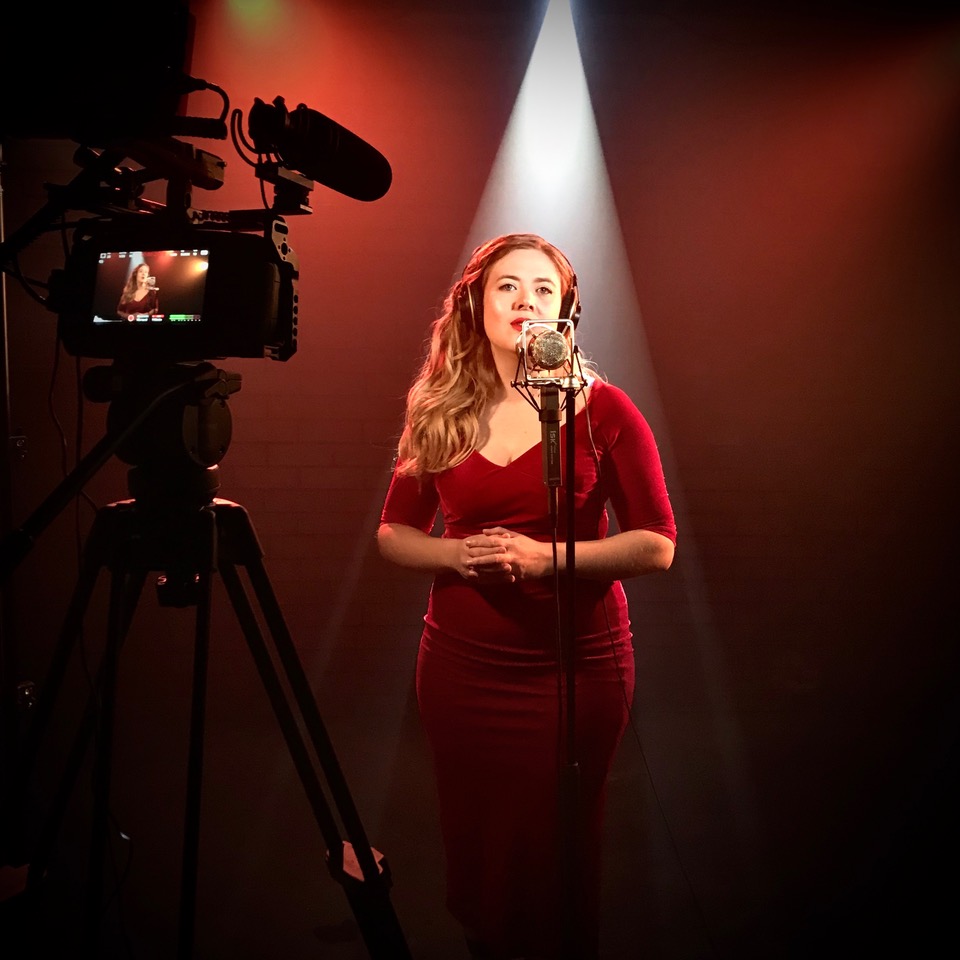
‘Of course, the family nurturers have a lot of time taken away from the work that they can do in order to be caregivers, but look how nimble we can be when we’re doing the dishes and writing a script at the same time. We still exist in a patriarchal society… but I also see powerful women in curation and leadership roles. If we look at the people running fringes at the moment, it’s all women.’
So what’s in store for 2026? ‘I’m just the conduit this year, it’s my job to get people to go and see the shows that I’m privileged to support. Whether that’s Wright&Grainger or the delectable performer that is Casey Jay Andrews. I’m excited about The Soaking Of Vera Shrimp, which has already been to Adelaide but Patch Of Blue are putting their own spin on it, it’s challenging and complicated and I’m building them a theatre in this tiny room. That will sit with Cyclops which is a re-imagining of Greek drama all about emotion and water, plus Meg In The Magic Toyshop which is a kid’s show.’
After 20 long years doing the work, she remains fiercely optimistic. ‘They keep saying theatre is dying. Yet every year, it comes back. The work I’m doing is important, it has heart and humanity and beauty and cleverness. The artists I work with are amazing, they’re flexible and nimble. This is the stuff that’s going to be valued in terms of our human experience and connection and capacity. Every show is about colouring you in, just a little bit more.’