Mouthpiece: On the ascent of female-fronted erotic cinema
To kick off his new regular opinion slot, Kevin Fullerton muses on the sudden rise of mainstream erotica by female filmmakers but wonders whether the direction of travel in movies like Babygirl and Emmanuelle remains slightly askew
Sleepovers were always held at Smarty’s flat because Smarty was the only one of us who was allowed a TV in his room. Every Friday night we’d binge PlayStation games for hours before moving onto the ‘grubby little pervert’ timeslot on Channel Five, an all-nighter of softcore erotica from eras gone-by. We were in it for even the most piecemeal glimpse of areola, unable to grasp that we were effectively receiving a sex-ed class from a grumbling crotch-fondler more likely to be on a register than in a relationship. If you weren’t a horny teenage boy or a lonely man who’d stumbled home from the pub, these were films that offered nothing but an exclamation of ‘eew’.
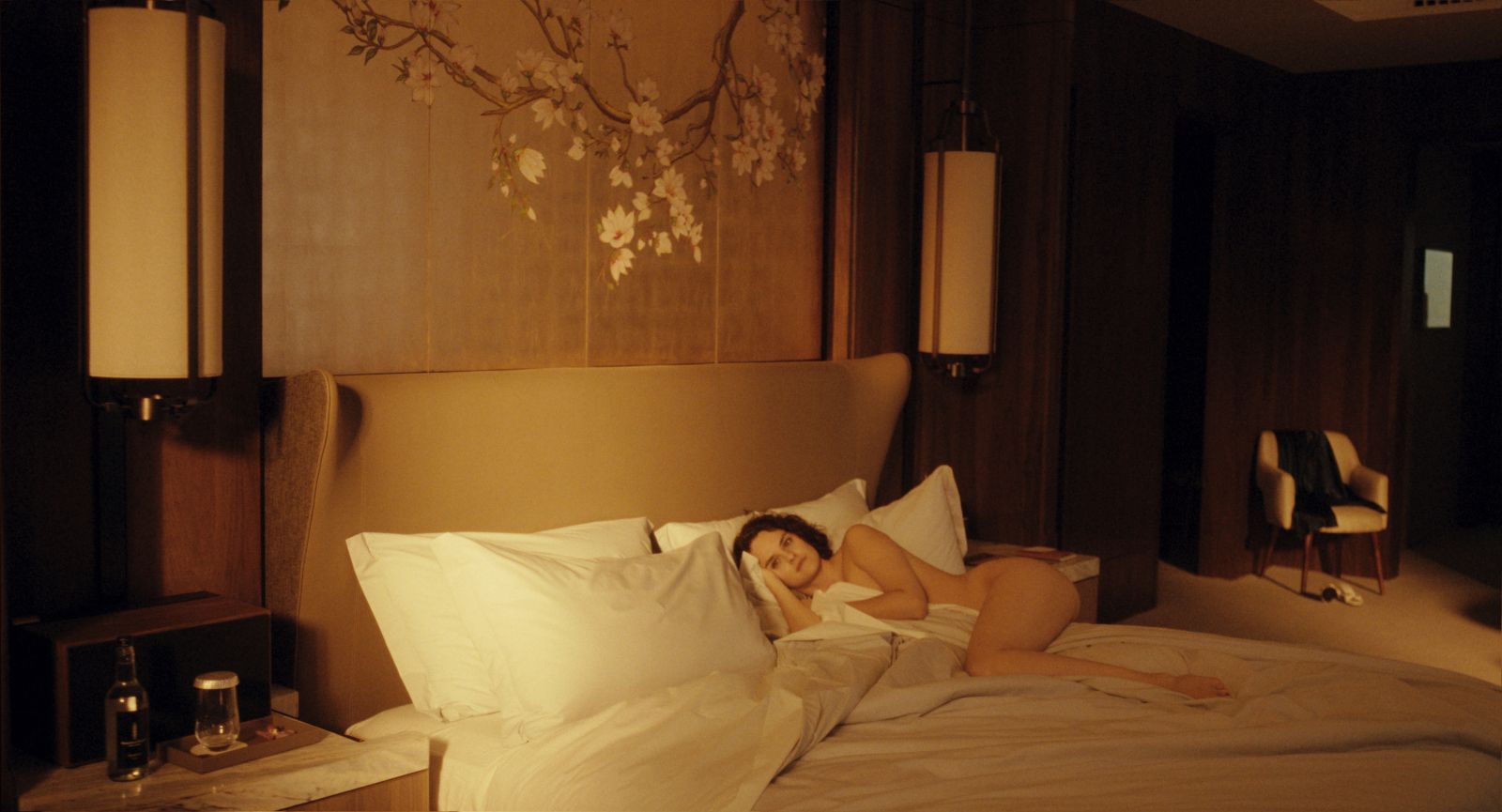
Chief amongst them was Emmanuelle, a leering French import about a young woman on a voyage of downstairs-tingling discovery. Horribly shot, laughably written and creakily acted, its copious dollops of nudity made it a box-office bonanza, spawning multiple sequels and bargain-bin knock-offs (Emmanuelle In Space, anyone?). Such is its status in my formative years, I suffered ‘Nam-style flashbacks upon hearing there was to be a reboot of the series from celebrated director Audrey Diwan, who's used the premise of the Emmanuelle novel to cast her eye over pleasure in a ‘post-sex’ era.
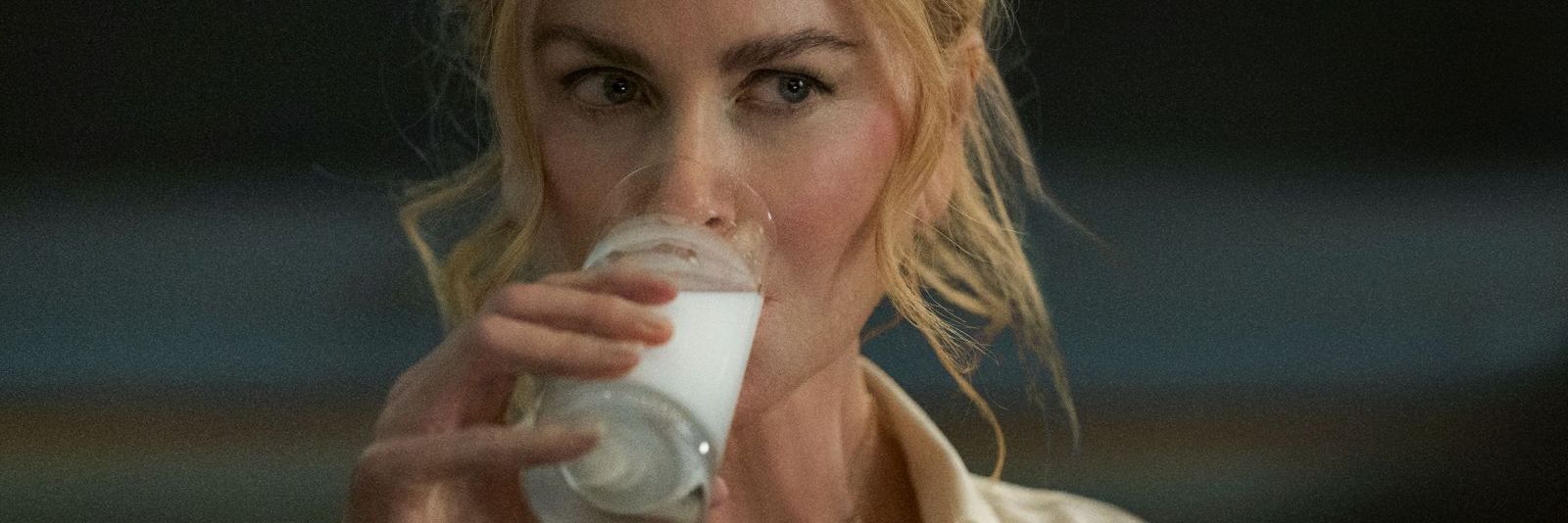
It joins Halina Reijn’s Babygirl (one of the few films where you’ll hear a chorus of people exclaim ‘that fingering scene was so powerful’ as they leave the cinema) in a two-hander from female directors with near-facsimile plots, following successful and disciplined women who use the less trodden paths of kink to escape their carefully curated lives. There’s no shortage of flesh on show, nor lust-filled moaning and panting; but there are also no lingering camera pans over female flesh, and an atmosphere of equal-opportunities objectification. Unlike reductive fantasies of decades past, empathy rides alongside wish fulfilment, a sense that people contain multitudes underneath their sculpted, perfectly lit abs.
Neither work is perfect; Babygirl fires wildly in too many directions to be coherent while Emmanuelle is a vapid mess with the sensuousness of a long ride on a Megabus. Yet each also represents a turning point in how sexuality is portrayed on screen as the film industry re-evaluates the simplistic morality tales it's clung to in the long aftermath of #MeToo. These are complicated individuals enjoying freedom in lust, neither wholesome nor sinners.
Complex though they may be, Diwan and Reijn spring the same traps of all culture in an age of privilege within the arts; more than pleasure, Emmanuelle and Babygirl are about being white, middle class and tiresomely preoccupied with the social mores of the wealthy. If the industry is going to push for more fulfilling fornication in cinema, we need to do more than replace middle-class men with middle-class women. Let’s give Andrea Arnold the keys to Rita, Sue And Bob Too or lavish Amanda Kramer with the mega budget she deserves to paint her gender-queer fantasies onto a blockbuster canvas. As late-night fodder for the young and impressionable goes, a broader range of expressions will produce healthier attitudes than Emmanuelle In Space ever did.