Åsa Johannesson: The Queering Of Photography art review – A snapshot across two decades
The artist has been documenting queer life on dancefloors using a mixture of photography and sculpture
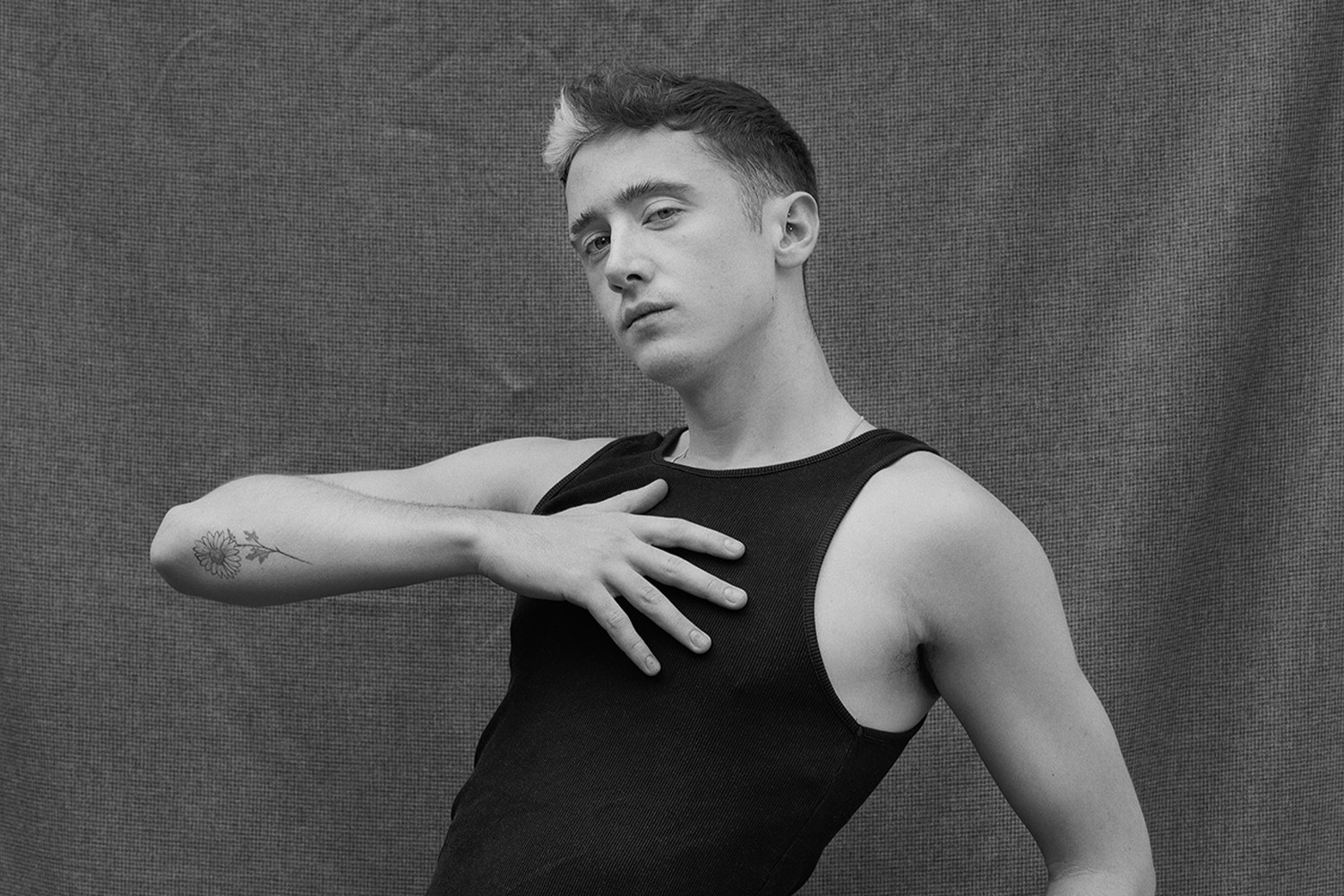
For the past 20 years, Swedish photographer Åsa Johannesson has been documenting experiences of queer life. Beginning in the 1990s with portraits of friends on dancefloors in King’s Cross and Soho, her work developed as a PhD study into queer identity and photographic representation, and eventually into a wider body of work interrogating the history of portraiture itself. At Stills, The Queering Of Photography gathers a decade of this output.
Using a large-format plate camera and the language of classical studio portraiture, Johannesson’s photographs initially resemble traditional black and white studies. But the longer you look, the more they begin to unravel. Some are upside down. Some are posed like Roman statues. Some literally are Roman statues. All of the portraits are strangely confronting, communicating an unease that usually lives in real life: awkward moments, hesitation, disassociation and confusion. One of the most compelling works is ‘Skins’, a framed display of distorted instant film which from afar could be anything from sweetie wrappers to condoms. Originally test shots for another series, the warped emulsions have become strange sculptural objects in their own right, twisted to both obscure and reveal the portrait within.
What makes The Queering Of Photography so effective is its refusal of easy conclusions. The research and academic grounding behind the work is clear: every inch of space feels intentional, presenting queerness as something continually unfolding. The exhibition is more reflective than rousing; it’s academic and measured. But this restraint only sharpens the meaning behind each queerly perfect portrait.
Åsa Johannesson: The Queering Of Photography, Stills, Edinburgh, until Saturday 27 June.