Beverley Knight on Sylvia: 'How hard do you fight when your rights are under attack?'
As her latest musical hit Sylvia heads northwards, Beverley Knight tells Kelly Apter about being a history freak, using empathy in her vocals, and why we need to stand up and be counted
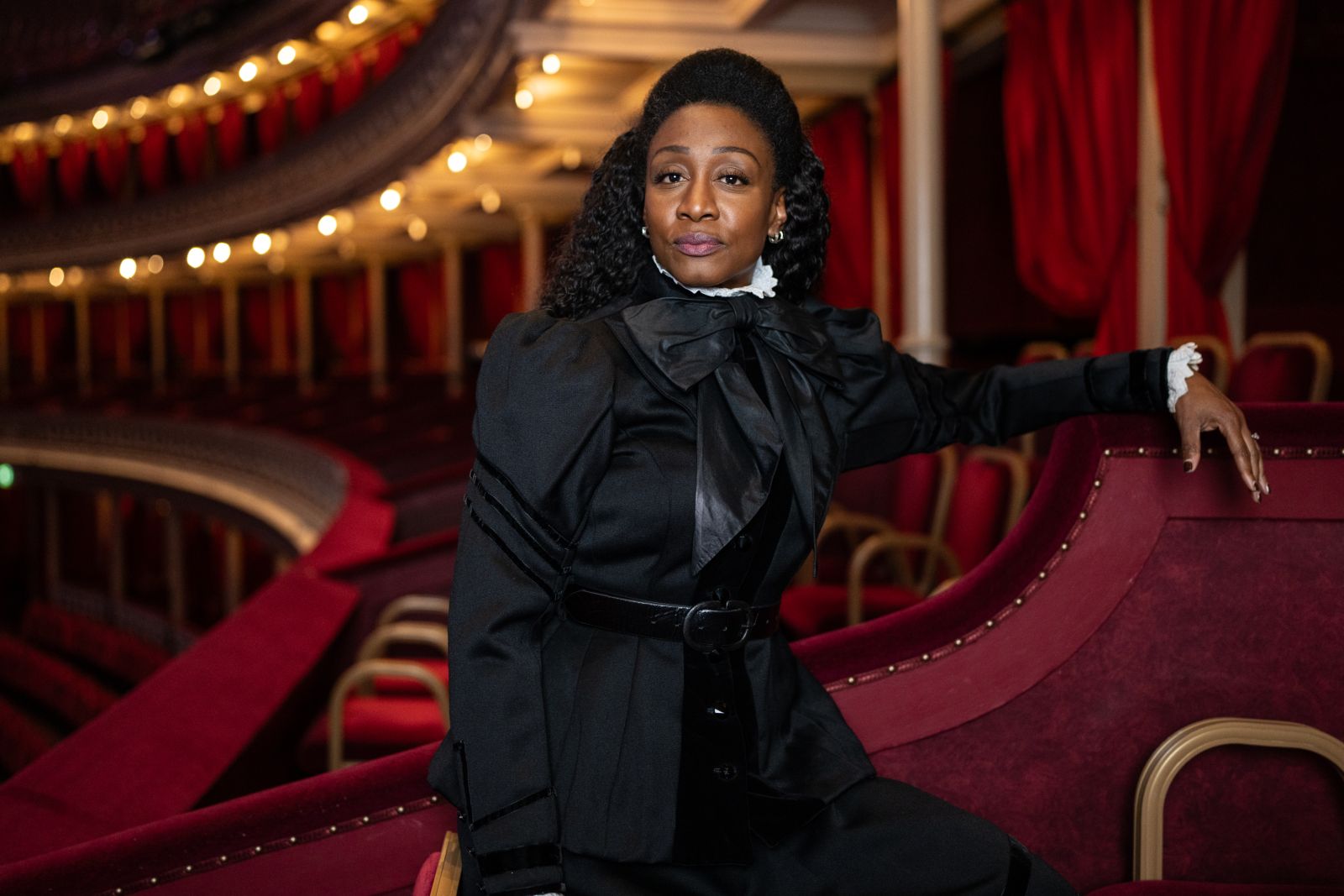
Sylvia is currently touring the UK after a successful London run in 2023, but you’ve been involved since an early work-in-progress held by director/choreographer Kate Prince back in 2018. What first attracted you to the project? Kate asked me if I would play Emmeline Pankhurst and that was all I needed to hear. I didn’t know too much about Sylvia or Christabel Pankhurst, but I knew exactly who Emmeline was and about the Women’s Social And Political Union. And of course, I knew about women’s suffrage. I’m an absolute freak when it comes to history; I love history more than I can ever explain.
Christabel and Sylvia Pankhurst are less well-known than their mother Emmeline. Given that love of history, did you enjoy doing a deep dive into their lives and the politics of the time? When I got the script, the first thing I did was think, ‘right, I’m going in deep, like subterranean’. I read books and watched videos. There was a BBC series from the 1970s about the suffragettes that wasn’t on iPlayer but someone had converted it from VHS to DVD and I bought it on eBay. I watched the film Suffragette again, which I’d already watched a couple of times. My poor husband was like, ‘she’s gone!’.
Being in a musical, performing seven shows a week, is a different proposition to playing gigs and recording albums, as you had mainly done during the first 20 years of your career. Your first professional musical theatre experience was in The Bodyguard in 2013, then you went on to star in Memphis and Sister Act, and now Sylvia. How did you find that transition? I didn’t go to stage school or anything like that, so there was a whole new world I had to get my head around very quickly. My first role in The Bodyguard was in my wheelhouse vocally, and I’ve always looked after my voice so I had that to my advantage. But singing those songs night after night, I very quickly learned how to pace myself, because you’ve just got to. I actually loved it because I knew inside that I was capable of it; I just needed to hone it and never stop learning.
How did other performers respond to you joining the world of musical theatre? I have to say, the theatre community really welcomed me in. They were so kind and willing to accommodate me when they used terms like ‘upstage left’, and I’d be like, ‘what’s that?’. Or dancing terms I’d never heard of like plié; all those little things which, if you go to stage school, you don’t even think about. But they were so lovely to me and I’ll be forever grateful.
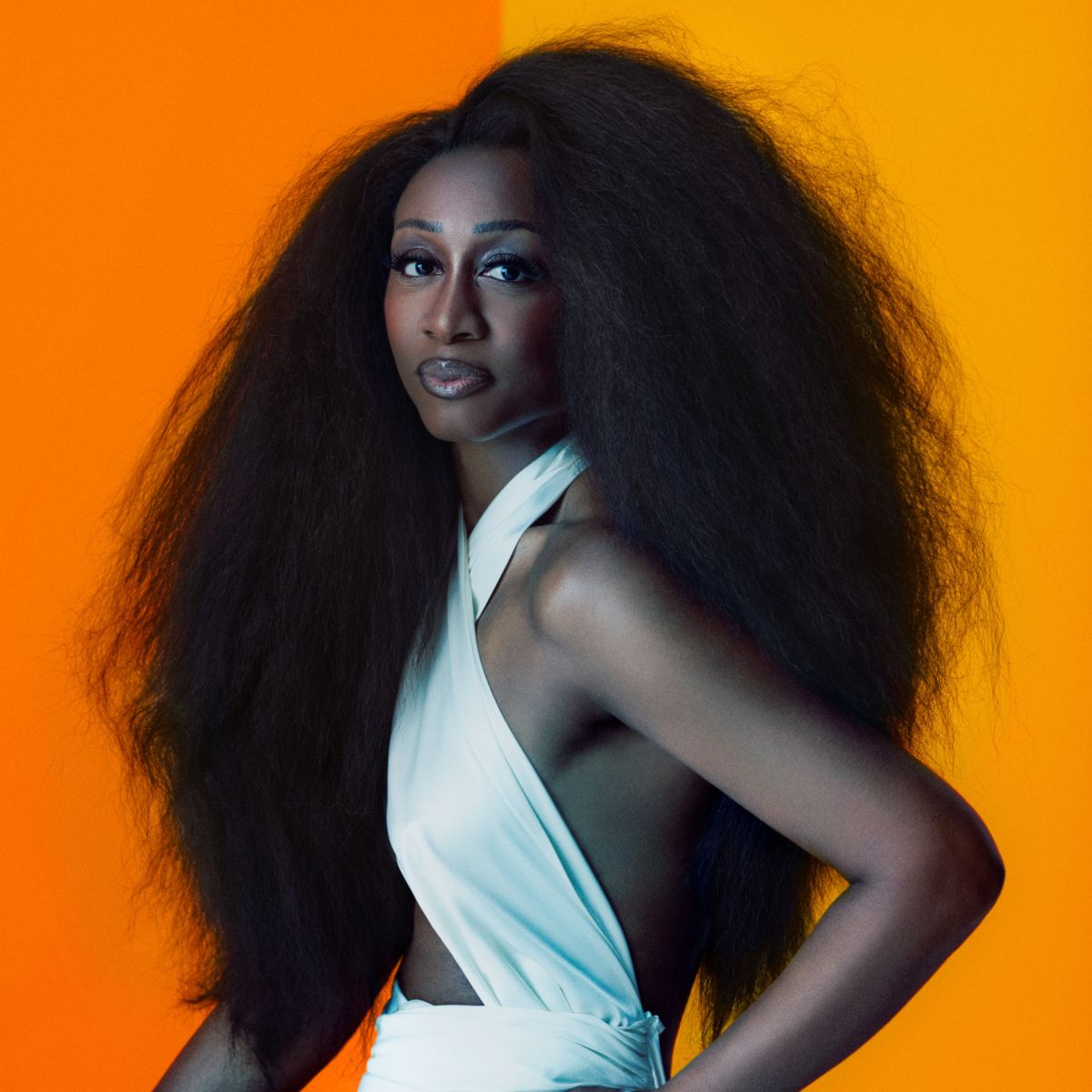
You’ve released nine albums and, apart from the covers of Soul UK, written pretty much all the songs. Does it feel different singing something that came from your own heart versus singing somebody else’s words as you do in Sylvia? When it comes to vocals, I think the best of the best are people who have great empathy. Because when you’re singing somebody else’s song, you have to stand in their shoes. So there’s the technical aspect of singing and then there’s you as a messenger. And as a messenger, you need to draw on the same depth of feeling and the same communication skills, whether you’ve written the words yourself or somebody else has. Otherwise, you’re just giving something that might sound technically fabulous but will leave audiences feeling quite cold.
The action in Sylvia took place over 100 years ago. What do you hope audiences today will take from it in terms of galvanising them to ‘Be The Change’, to quote one of your songs in the show? Because the songs are sung with modern phrasing, using hip hop, R&B, soul, funk (things that are completely familiar to all our ears), I hope people will understand that although they’re watching something that happened many years ago, it’s actually social commentary of today. With songs like ‘March Women March’, we’re singing about standing up and making some noise. These are sentiments that we have to employ right now. Some groups in America are trying to take the vote away from women and saying it should be one vote per household, that the man is more than capable of speaking for everybody. That’s what Churchill and Asquith were saying a hundred-odd years ago. It was ludicrous then and it’s ludicrous now. So I really hope that despite the Edwardian costumes on stage, people recognise that these calls to action are about what’s going on right now. And although women are front and centre in this show, that message isn’t just for women: it’s for everyone who has the right to protest. How hard do you fight when your rights are under attack? What are you prepared to do?
Sylvia, Festival Theatre, Edinburgh, Tuesday 13–Saturday 17 October.