Billy Boyd on California Schemin': 'People have come to terms with what we did'
The astonishing tale of Silibil N’ Brains hits the big screen in California Schemin’, a new movie which marks the directorial debut of James McAvoy. Greg Thomas meets the Dundonian duo as they reflect on their epic deception and talks to the actors portraying them about getting inside their minds
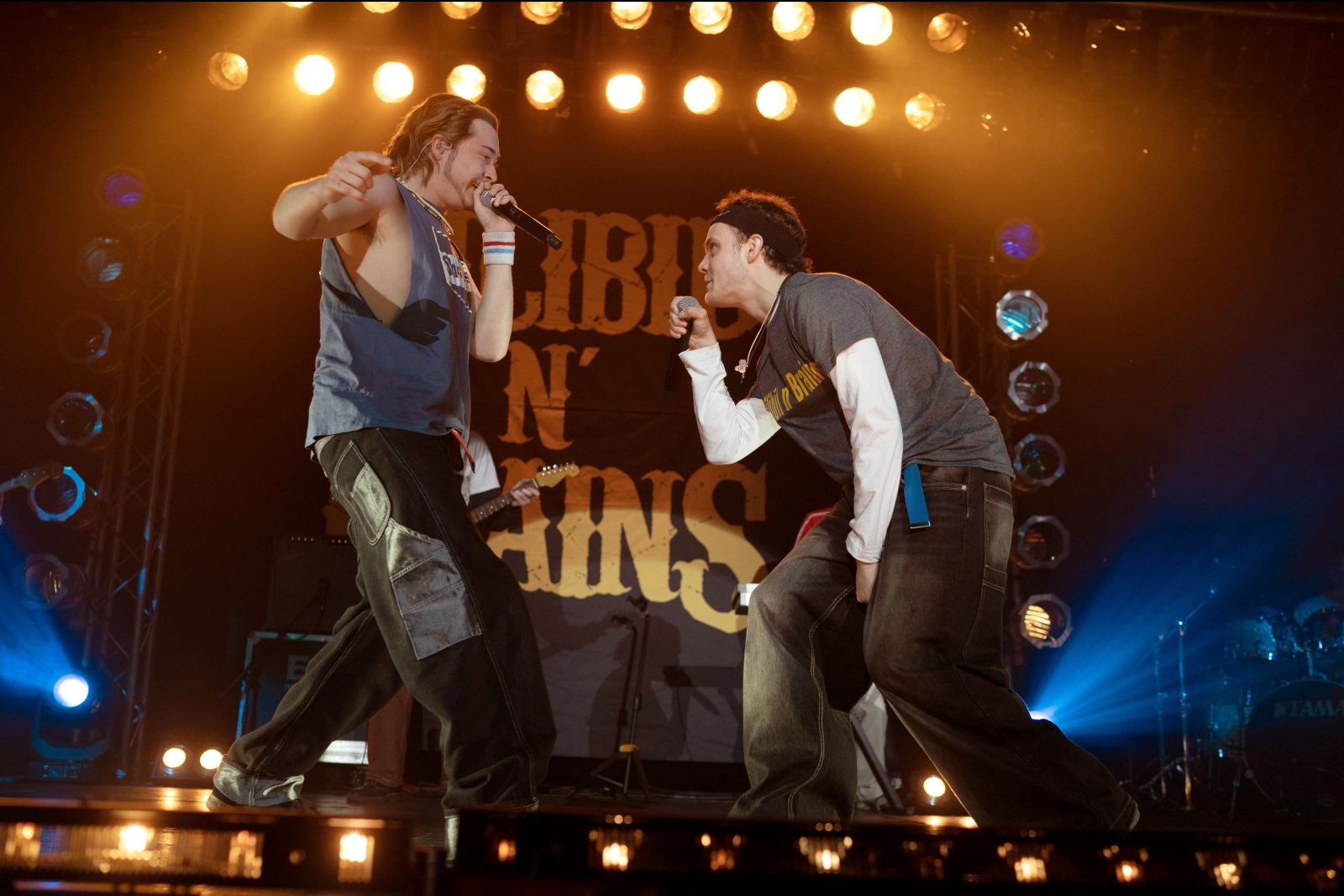
‘When you understand what happened and how unfair the situation was, hopefully you will root for us.’ So says Gavin Bain, one half of the Dundonian hip-hop duo Silibil N’ Brains, who tricked London music execs and the listening public into believing that they were street rappers from California in order to secure a record deal. Their extraordinary story is the subject of a new film directed by James McAvoy, starring Samuel Bottomley and Séamus McLean Ross, based on a screenplay by Bain himself, a fascinating figure, nervy and driven, who forms the tale’s protean emotional core.
While moral ambiguity abounds in Archie Thomson and Elaine Gracie’s script, the pair will seem like folk heroes to many. Certainly, the young leads are onboard. ‘I think it’s badass what they did,’ Ross says. ‘If the world, and the class system, is not going to give you your life, go and fucking take it. It’s so Scottish and so rebellious.’
How did this caper get going? Gavin Bain and Billy Boyd (not The Lord Of The Rings actor) were old college friends in the early noughties, working dead-end jobs and honing their MC skills, when they saw an advert for open auditions from a London rap label. One 12-hour Megabus ride later, the pair were snickered off the stage because of their accents, derided as ‘rapping Proclaimers’. As the film shows it, the more sanguine and steady Boyd was ready to move on with his life. But Bain couldn’t accept it. A scheme was hatched.
The pair were steeped in the nu-metal/pop-punk/white-rap crossover scene of the era: think Eminem on the 1999 Vans Warped Tour stage or Sum 41’s snotty-nosed sprechgesang. They trained themselves to fake American accents by binge-watching TV and film, utilising the plasticity of young, weed-saturated minds, and became Silibil N’ Brains (‘Silibil’ from Billy, ‘Brains’ from Bain). They even invented a suburban LA back story. Suddenly, Eminem had taught them how to rap and they had partied with D12 (that particular chicken came home to roost when they were invited to support the group, a scene that forms the film’s emotional climax).
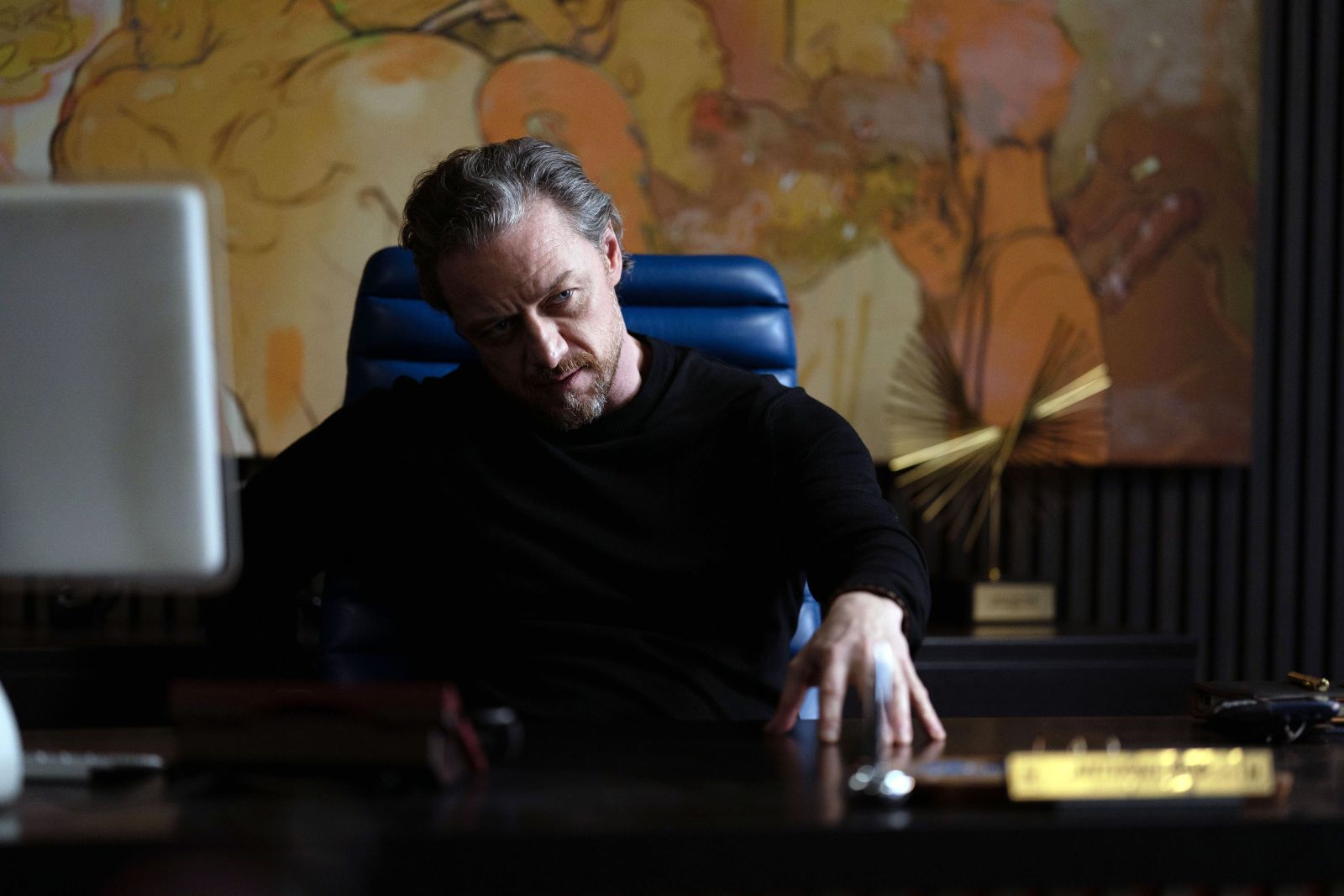
It worked. Silibil N’ Brains charmed the suits who had laughed at their Scottish brogue. In McAvoy’s retelling, they’re spotted by talent scout Tessa (Rebekah Murrell) at an underground club after blagging their way on stage, soon finding themselves in front of simmering label boss Anthony Reid (played by McAvoy). A fat deal is offered and the money, drugs and sex start flowing. The duo tell themselves they are just waiting for the right moment to come clean and expose the fickle music industry, live on MTV. But the fantasy is, for Bain, too intoxicating, and he scuppers the plan, precipitating a friendship-ending bust-up that also reveals the ruse. Indeed, for a comedy, the atmosphere of its second half is pretty claustrophobic and dark.

Relative newcomer Ross, the son of Deacon Blue musicians Ricky Ross and Lorraine McIntosh, does a great job of carrying Bain’s intensity and vulnerability. During filming in London, Ross and Bain met up for pints in Soho, the old stomping ground of Silibil N’ Brains. Bain had kept detailed diaries. ‘I would message Gavin about things I couldn’t understand about the character’s motivation,’ the Guildhall-trained actor recalls, ‘and he would show me pages and pages from it. He was more than happy for me to get inside his head.’ Another spur to the young actor’s performance was stories of the early days of his parents’ band. ‘When my dad was about the same age as the lads in the film, he would go down to London and hand out CDs and demos, begging labels to listen. There was something weird about being in Soho, pretending to do literally the same thing.’
As for Bottomley, the Bradford-born 24-year-old assures me that his subject, Boyd/Silibil, was just as happy to chat. But there were perhaps fewer demons to be released on screen. ‘Gavin wanted to change skins, you know, way more than Billy did. I feel like Billy was along for the ride and loved it.’ Still, something of the actor’s sense of a north-south divide was channelled into the role, even if ‘it often feels like a much bigger deal for the north!’ Both, incidentally, are fulsome in their praise for McAvoy, a driven but warm and avuncular presence on set.
Boyd and Bain kept the plates spinning for far longer than they were entitled to, certainly for longer than they could have in the era of smartphones and streaming. Indeed, like lots of films about the 1990s and 2000s, this one is soaked in nostalgia for a time before the DIY panopticon of social media. But there was still telly. And, in the film version, which takes a few poetic liberties, that MTV appearance is the point where things start to fall apart.
Describing how it feels to have their larks depicted on screen, Boyd and Bain speak of laughter and tears in equal measure, a shared sense of disbelief at seeing themselves portrayed with such visual precision. What about regret or shame, as they look back on what was, undeniably, an ethically ambivalent gambit? ‘Over the years, people have come to terms with what we did,’ says Boyd, ‘but there will also be people within the Scottish hip-hop scene that will never accept it.’ Bain is more defiant, talking with passion of the psychological traumas that had brought him to the point where we first meet him in the film.
One subtext only hinted at (by Murrell’s black Londoner character) is how these two white Scots took their own sense of hardship as justification for snatching success in a world where, for decades, saleable white faces had been slapped on black aesthetics. But their tale is, ultimately, one of underdog vim which the pair hope will light a fire under a new generation of musicians. ‘It should inspire kids from all over to do what they love,’ says Bain. ‘Reach for the stars,’ as Boyd puts it, ‘and if you don’t make it, at least you will land on the rooftop above where you started.’
California Schemin’ is in cinemas from Friday 10 April.