China Focus returns to the Edinburgh Festivals for 2025
The Chinese cultural initiative returns with nine groundbreaking shows featuring music, dance, theatre and more
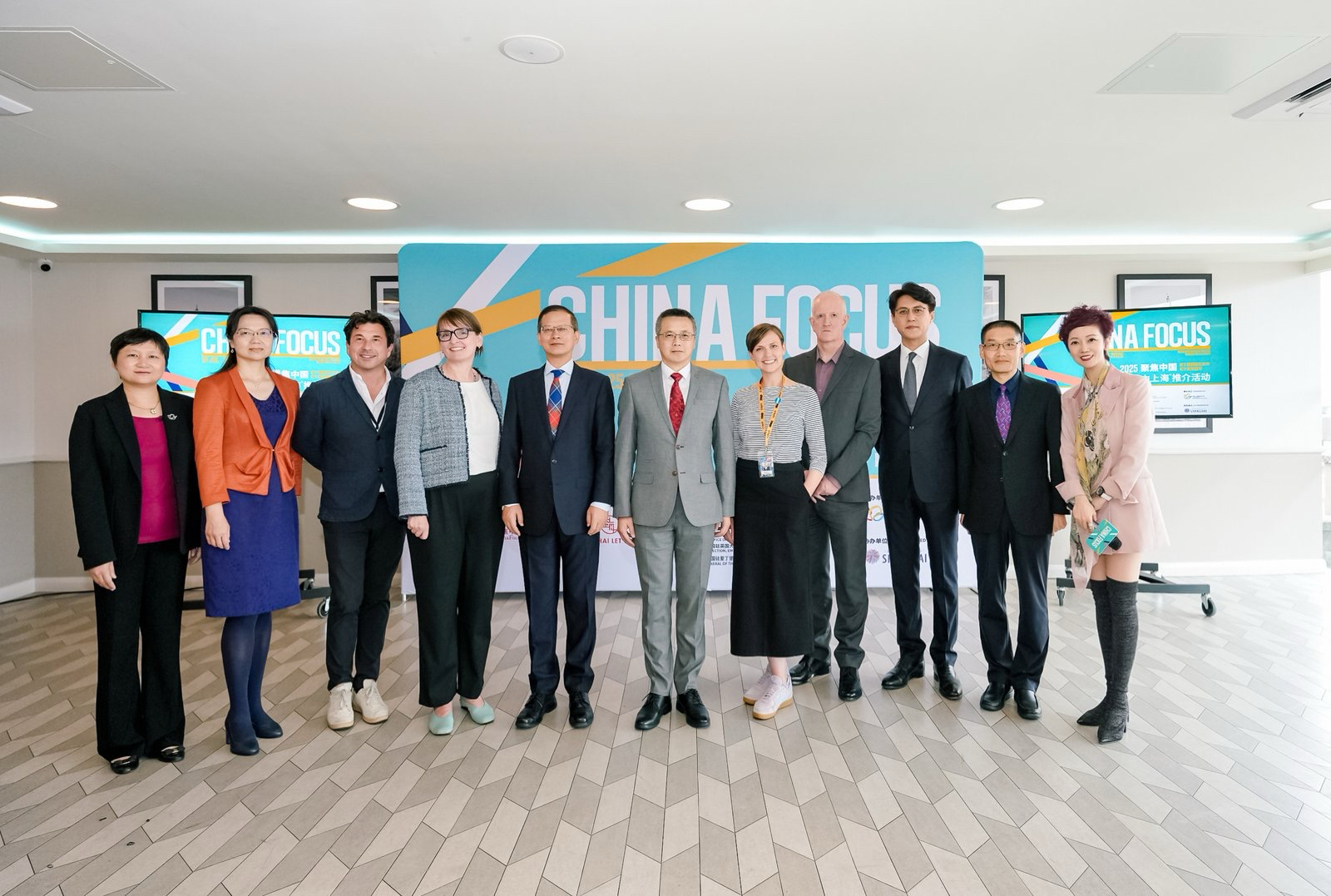
International cultural initiative China Focus is back in Edinburgh for its fifth edition, showcasing nine groundbreaking Chinese shows. Festival audiences can enjoy productions highlighting the dynamism and diversity of contemporary Chinese creativity, featuring spectacular displays of music, dance, theatre and experimental performance.
The Edinburgh International Festival played host to the debut of Bruce Liu Plays Ravel featuring Liu, Myung-Whun Chung and Beijing’s NCPA Orchestra for Wu Xing alongside Ravel and Saint-Saëns.
Meanwhile, the Edinburgh Fringe welcomed eight productions from China Focus; Personallery 4.0 fused ballroom dance and AI to reimagine The Peony Pavilion; Youth And Poetry transformed The Book Of Songs into children’s musical theatre; Zhuangzi’s Dream combined shadow puppetry and Daoist philosophy; The Vast Lament: The Floating Life Performance created an AI-augmented metaphysical journey; and Hibiscus And The Thistle combined Chinese traditional instruments with Western classics.
We spoke to the creators of three shows supported by China Focus to find out more.
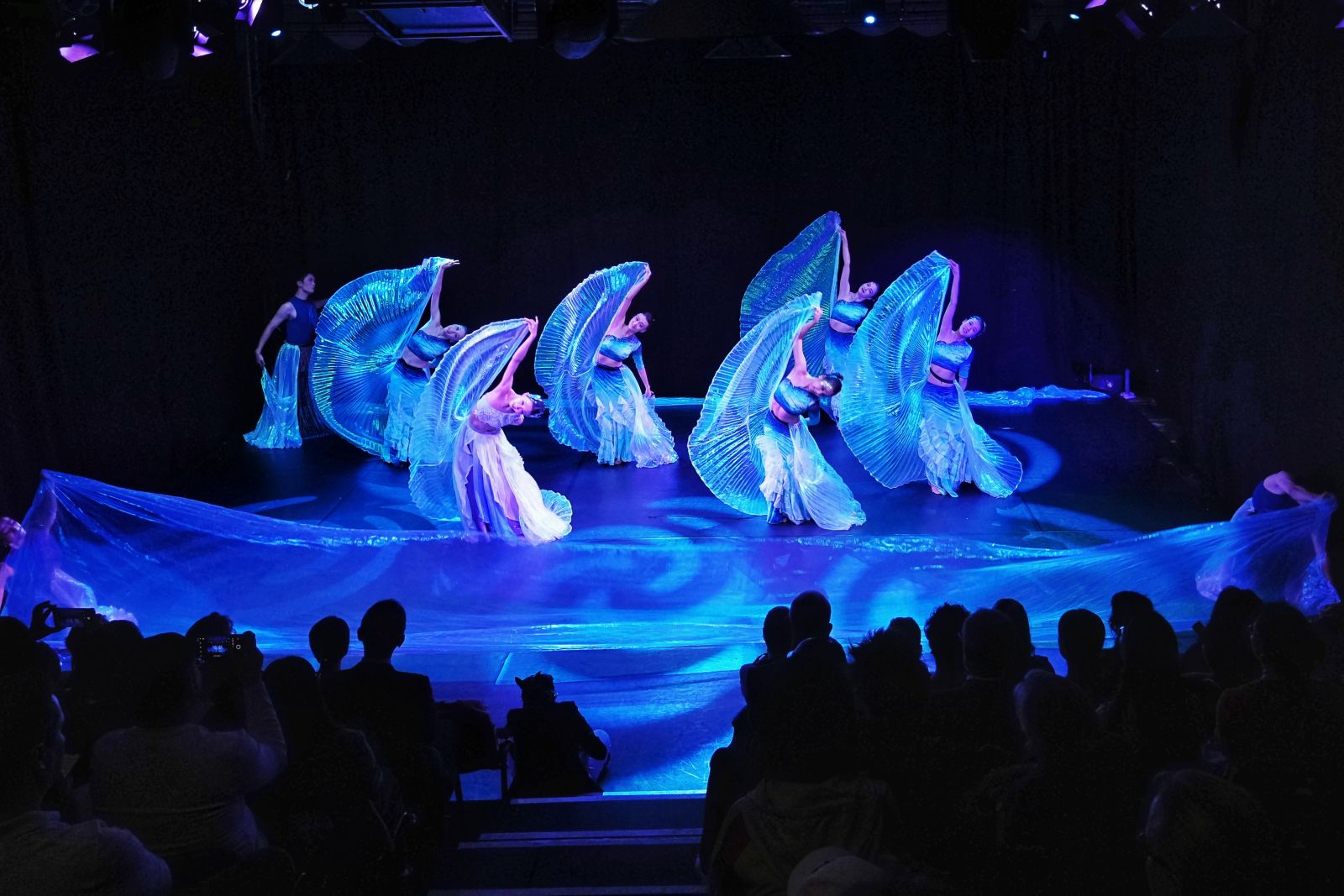
The Pure Blue
What can you tell us about your show?
The show is based on the body vocabulary of the traditional Chinese Dai ethnic ‘fish dance’ and is combined with stage props such as foam paper and fishing nets to realistically show the current precarious living conditions of marine life, calling on the audience to pay attention to social issues of environmental protection. The dance drama shows the meaning of Eastern philosophy, praises the magic and greatness of all living creatures and reflects the ideals and beliefs of harmonious coexistence between human beings and nature.
How do you represent the complexity of the environment within the confines of a stage?
The show is divided into six parts, each with its own narrative. These stories are conveyed through a variety of choreographic techniques and combinations of dancers. Additionally, stage props depicting items commonly found in the ocean are incorporated to enhance the performance. Each story revolves around the current state of the marine environment.
The Pure Blue, C aurora, until Tuesday 12 August, 4.10pm.
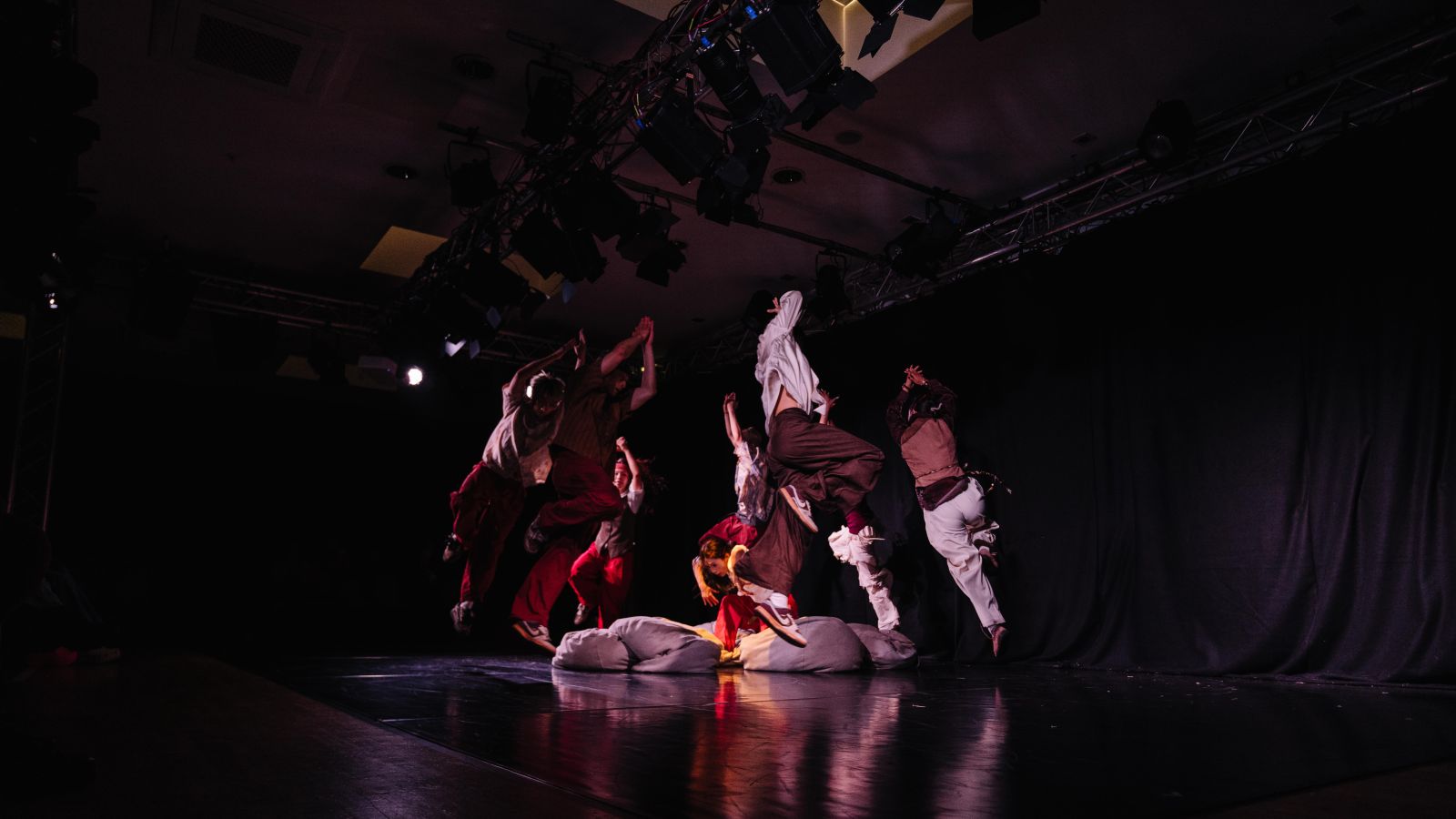
Inspired By The Eastern Wind
What can you tell us about your show?
This hip hop theatre production is a commissioned work from the Rising Artists' Works program at the 23rd China Shanghai International Arts Festival, marking the program's first street dance theatre piece in its decade-long history. The 50-minute version debuting at the Edinburgh Festival Fringe seeks to ignite an exhilarating dialogue of energy with the audience. Masterfully weaving hip hop, locking, breaking and house with electronic beats infused by Chinese folk motifs, the work awakens a distinctly Chinese physical imagination. It channels the Taoist ideal of Xiaoyao – unbridled spiritual freedom – rooted in classical Chinese aesthetics. Through a multidimensional narrative that thrills, moves and delights, it delivers a message of universal care: everyone deserves to be graced by the Eastern Wind.
How did you go about adapting the work of Zhuge Liang?
In Chinese culture, the triad of Opportune Time, Geographic Advantage and Unity Of The People crystallises a profound philosophy of achievement. Born from the core tenet of Unity Of Heaven and Man In Chinese thought, this wisdom finds its most legendary expression in Zhuge Liang's stratagem of borrowing the east wind, a pinnacle of celestial-human harmony. The show reinterprets this philosophical concept. Rather than recreating the original legend, it ingeniously transposes the idea of wind-borrowing into a modern context, replacing heroic depictions with six poetic realms. This becomes a spiritual journey walking with the wind, conveying a quintessentially Chinese meditation: life's path is never relentlessly smooth, yet within shifting tides, one's destined Eastern Wind may be closer than imagined.
Inspired By The Eastern Wind, Grand Theatre at theSpace @ Surgeons' Hall, Sunday 10 August, 2.45pm; Monday 11–Friday 15 August, 1.55pm.
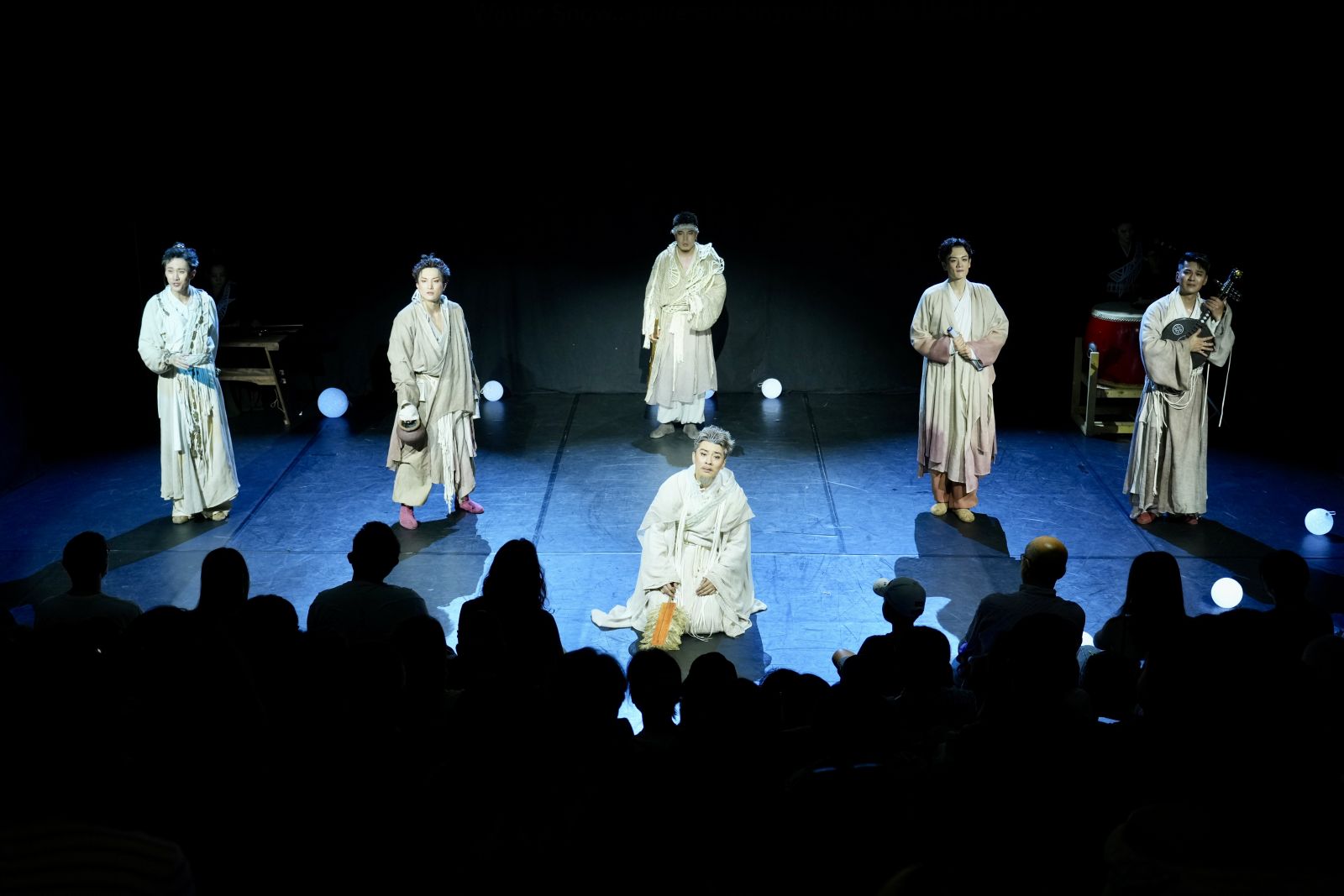
Echoes
What can you tell us about your show?
The play is a production in the Ancient Songs From Ancient Books series by the China Coal Mine Art Troupe. It selects stories from ancient books, rearranges songs based on ancient music, and presents the charm of China’s excellent traditional culture from the perspective of contemporary people. It incorporates various artistic expressions such as drama, dance, live music and a play on theatrical rhythm, allowing Chinese traditional culture to rejuvenate in our present era. Our performance begins here: during troubled times in the Wei and Jin dynasties (in China around 2,000 years ago), there lived a group of scholars who resided in the mountains, rivers and hidden bamboo forests. Each was talented and unique, and they talked about the metaphysical Taoism and expressed their ideals. In Chinese history, they are called the ‘Seven Sages Of The Bamboo Grove.’ Their names were Jie Kang, Ruan Ji, Ruan Xian, Xiang Xiu, Shan Tao, Wang Rong and Liu Ling. One sunny day in 263 AD, Ji Kang was killed. At the last moment of his life, he played a song, ‘Guangling San’ on the Guqin and, with his death, this music has since disappeared from the world. How should the remaining six respond? In the play Echoes the character Ji Kang never physically appears. Instead, a ‘Guqin’ embodies his spiritual essence and life journey, guiding the six sages who long for their departed friend back to their former residence in Shanyang. Ultimately, through the melody of ‘Guangling San’, they commune with the ‘Guqin’, engaging in dialogue with their souls and finally bid farewell to Ji Kang forever. Transcendence and dreams allow them to live with grace and fervour, unrestrained, presenting an Eastern story that explores faith and freedom.
How does the life and story of Ji Kang relate to the modern world?
When translating for this Edinburgh performance, we quoted a line from Qin Fu written by Ji Kang, as translated by Dutch sinologist Robert Hans van Gulik: ‘Equalizing all things, I soar beyond – self-contained; entrusting life's course, I flow where freedom flows.’ We believe this quote represents our recognition of the spiritual pursuit of Ji Kang and the Seven Sages Of The Bamboo Grove. Considering the ideology, literary, and musical achievements of the Seven Sages, especially the evaluation that they are of milestone significance in the history of Chinese music, our play’s creative team thinks we should enable the younger generation to better understand the contributions made by the literati of that era to Chinese music. Therefore, we hope to spread Chinese culture through artistic forms loved by modern young people, trace the emotions of the ancients, and give the issues of harmony between heaven and earth and the freedom of life in traditional Chinese culture a new charm in the contemporary era.
Echoes, C aurora, Tuesday 12–Saturday 16 August, 2.50pm.
This is a sponsored post written on behalf of China Focus.