The Glasgow art scene: ‘The legacy has been squandered and mismanaged’
The arts scene in Glasgow has been dealt some brutal blows in recent times, with this year’s closure of the CCA and massive rent hikes for Trongate 103 tenants the latest. Greg Thomas speaks to some of the organisations being impacted to ask why it’s happening and can anything be done to halt the damage
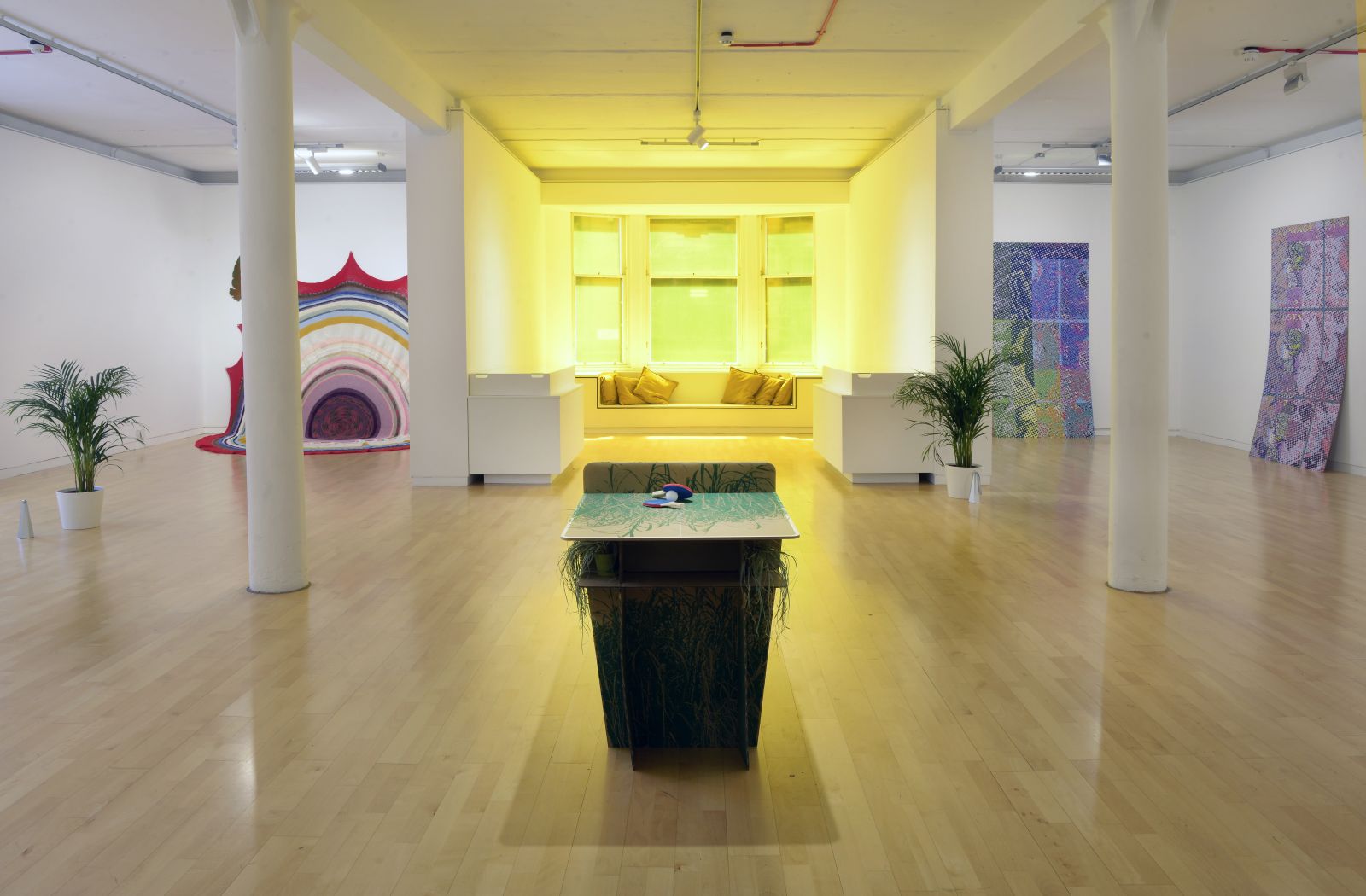
My interview with Chloe Reith, interim director of Glasgow-based arts organisation The Common Guild, opens with me, the interviewer, unexpectedly on the back foot. She’s read my review in Art Monthly of the brilliant recent iteration of Glasgow International, the city’s biennial art festival. While she wholeheartedly agrees about the festival’s success, she takes issue with ‘the discourse of creative resilience’ that the article presented. ‘The idea that artists have to be resilient, to do a lot with nothing, is part of the problem. We have to expect more from the city, from Creative Scotland.’
Perhaps it’s a fair cop. This is a city that has seen its cultural assets repeatedly bashed over the head in recent years; there’s a risk that uncritically celebrating mere survival might obscure the urgent need to stop Glasgow’s art scene being KO’ed. Because, while the economic fragility of the arts is nothing new, the post-covid era has been a litany of bad news on Clydeside.
Where to start? The Charles Rennie Mackintosh-built Lighthouse, which had been a hub for exhibitions and events since 1999, never reopened its doors after lockdown, with Glasgow City Council unable to fund staffing and upkeep. Around the same time, the legendary artist-run gallery Transmission entered a period of drastically reduced programming, having lost Creative Scotland funding in 2018 because of what Frieze called, at the time, its ‘principled refusal of professionalisation’.
At the start of this year, things took a further, dramatic downward turn. In January the Centre For Contemporary Arts, an important venue for showcasing emerging artists in the city, announced its permanent closure with, according to staff, insufficient warning and delays on notice pay and arrears. And then the really big one. In February, City Property, the council-owned commercial body that leases out Trongate 103, a venue housing seven separate organisations, announced it was increasing rents by 400%. Organisations were given a month to comply.
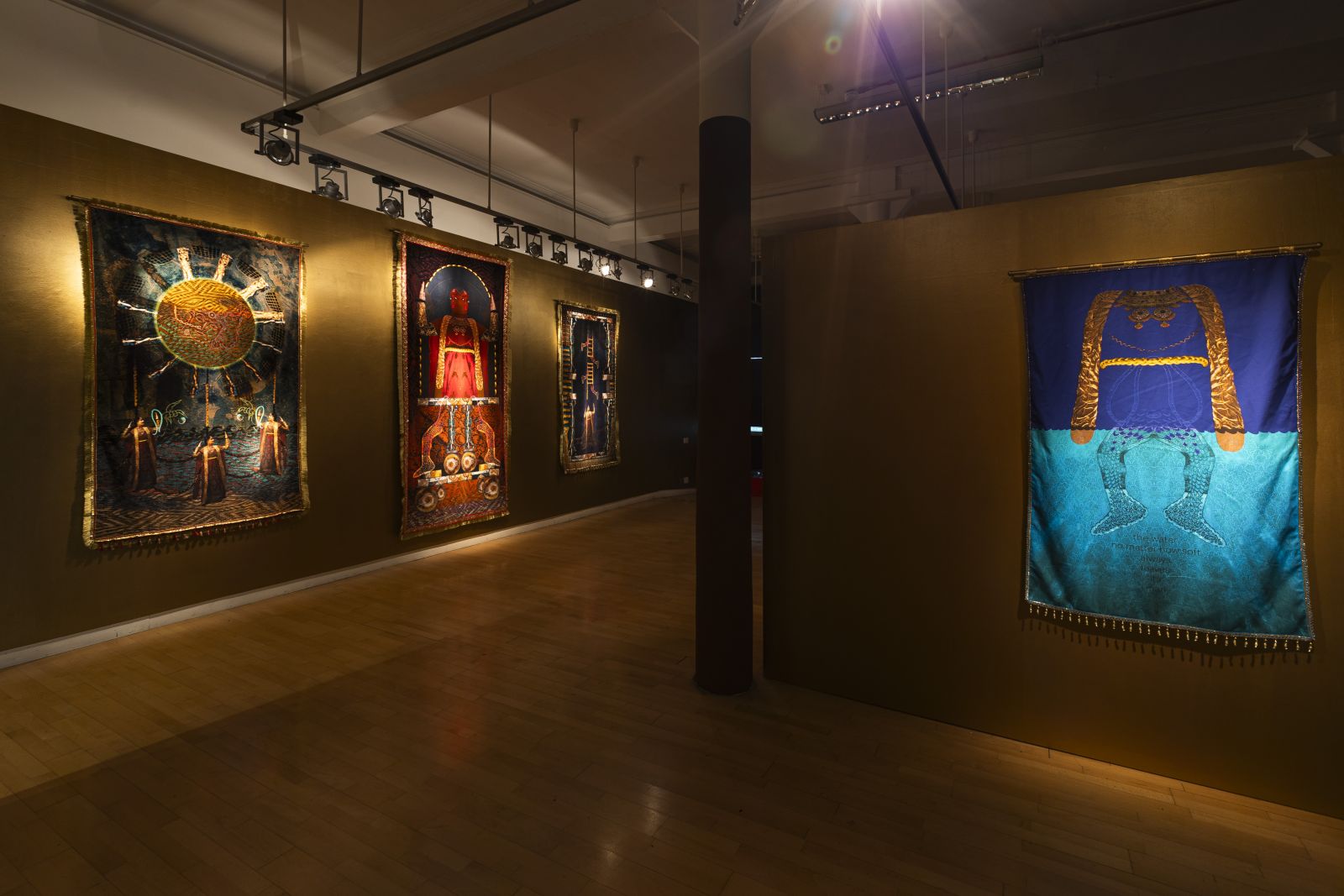
‘Part of the historical context,’ says Claire Forsyth, creative director of Glasgow Print Studio, one of the seven tenants, is that ‘we were going to buy our own premises in the late 1990s to future-proof the organisation. We didn’t because discussions started about a publicly owned downtown arts venue and we came onboard.’ In 2009, T103, as it is known, opened its doors for the first time, a council-controlled public asset with peppercorn rent… or that was the idea.
Like Glasgow Print Studio, many groups were lured in with the promise of static rates. But within six months, City Property had been established and the council had handed over control of the former warehouse complex in Trongate. ‘We’ve had this existential threat on and off for 17 years now’ says Forsyth. ‘It just drains resources and capacity.’ Until February, rent and overhead increases had been minimal, but there was always the looming threat of what ultimately came to pass this year.
What are the underlying issues behind all these closures and threats, and what can be done to resolve them? Malcolm Dickson, who runs Street Level Photoworks, another T103 tenant, takes a sanguine and long-term view when we speak, while pointing out some of the distinctions between the various cases under consideration. ‘For example, the Centre For Contemporary Arts situation isn’t new. I was doing some tidying up the other day and came across a newspaper cutting from August 2006 about the Scottish Arts Council [now Creative Scotland] bailing out the CCA. These situations are varied and complicated. It’s too easy to always blame the powers that be.’
True enough, CCA is among a few Scottish organisations that, by all accounts, have been scuppered primarily by in-house financial mismanagement. Nonetheless, there are clearly wider issues precipitated at city and national level, from the ongoing squeeze on Creative Scotland by the SNP government, with losses passed down the food chain, to the perennially cash-strapped council’s outsourcing of property management to a profit-making outfit. Those going granular on the history might even point to the council’s uncoupling from the much larger and wealthier Strathclyde Regional Council in 1996 as the start of the rot.
Zooming out further, is it too vague, and too fatalistic, to point to the long-term recession in which western economies have been mired since the late noughties as the underlying threat here? For Reith, whose perspective I sought in order to get a grassroots curatorial angle, that seems a cop-out. ‘Last week, Zohran Mamdani, the mayor of New York, pledged a $323.8 million boost to culture in the city, in recognition of the artists who make it an important place to be. Glasgow has that same status for Scotland and Britain, but the legacy has been squandered and mismanaged.’
Commentators have indeed pointed out Glasgow City Council’s failure to make good on the priorities in its own cultural strategy for 2024–2030. These include ‘sustainability’ (‘Glasgow supports the conditions for a sustainable cultural sector by working collaboratively to secure investment’). Still, Forsyth and Dickson both emphasise a great deal of support and productive goodwill among individual figures within the council. One upshot of this is that T103 tenants have secured a temporary deal involving a council-run support fund and a pause of eviction threats. Down the line, feasible options include the venue being handed back to the council, to be run by its cultural arm, Glasgow Life, on terms close to those dangled in 2009.
A more collective approach could be part of the answer, according to Veronique AA Lapeyre, director of the Glasgow-based Scottish Contemporary Art Network, a national network for arts organisations and artists whose remit includes advocacy work. She points to the need to create forums in which discussions with local and national government, as well as funding bodies, can take place simultaneously. ‘Arts organisations need to be able to get all the decision makers in a room at the same time, so they can show how cultural provision is often falling through the cracks, where the impacts of funding cuts from one public body are compounded with rent hikes or venue closures by another institution for example. We need a sense of collective accountability and support.’
This article began with a pitch to report on ‘green shoots of recovery’ in Glasgow’s art scene. My discussions have left me feeling like taking that angle would have been Pollyanna-ish, perhaps counter-productive. Still, Lapeyre points out: ‘I do meet people every day who are committed to being in this city, to their communities and audiences, and to making sure Glasgow is still a great city for contemporary art.’ Do people make Glasgow? Yes, but not without help.
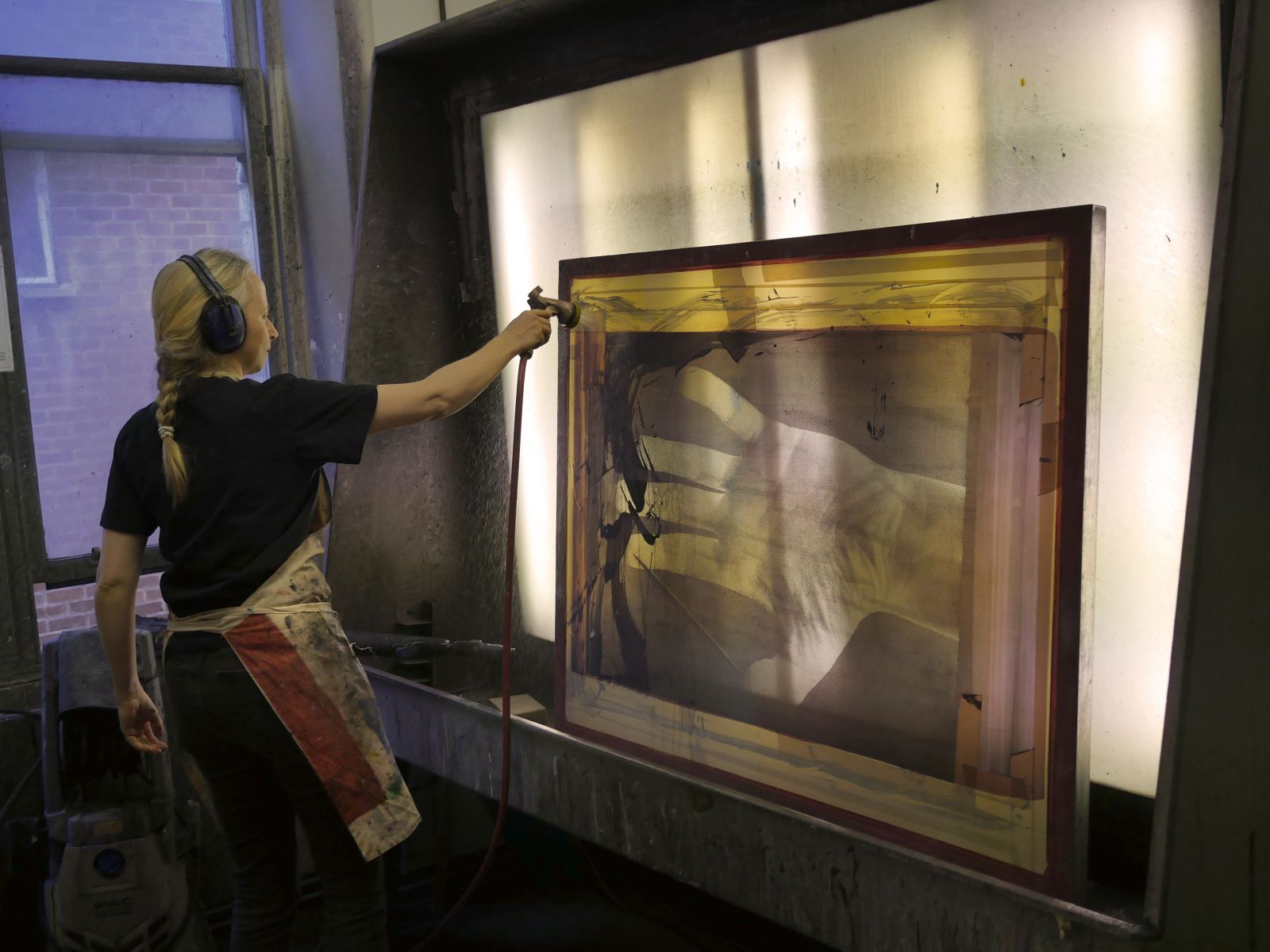
Main picture: Rudy Kanhye and Lauren La Rose at Glasgow Print Studio / credit: Alan Dimick.