Daisy Fancourt on her new book Art Cure: ‘I didn’t want to hit people over the head with dense jargon’
Turns out going to see a show isn’t just fun, it’s actually good for you. Daisy Fancourt’s new book explains how the arts can not only improve your health but actually prevent illness, as Kelly Apter discovers
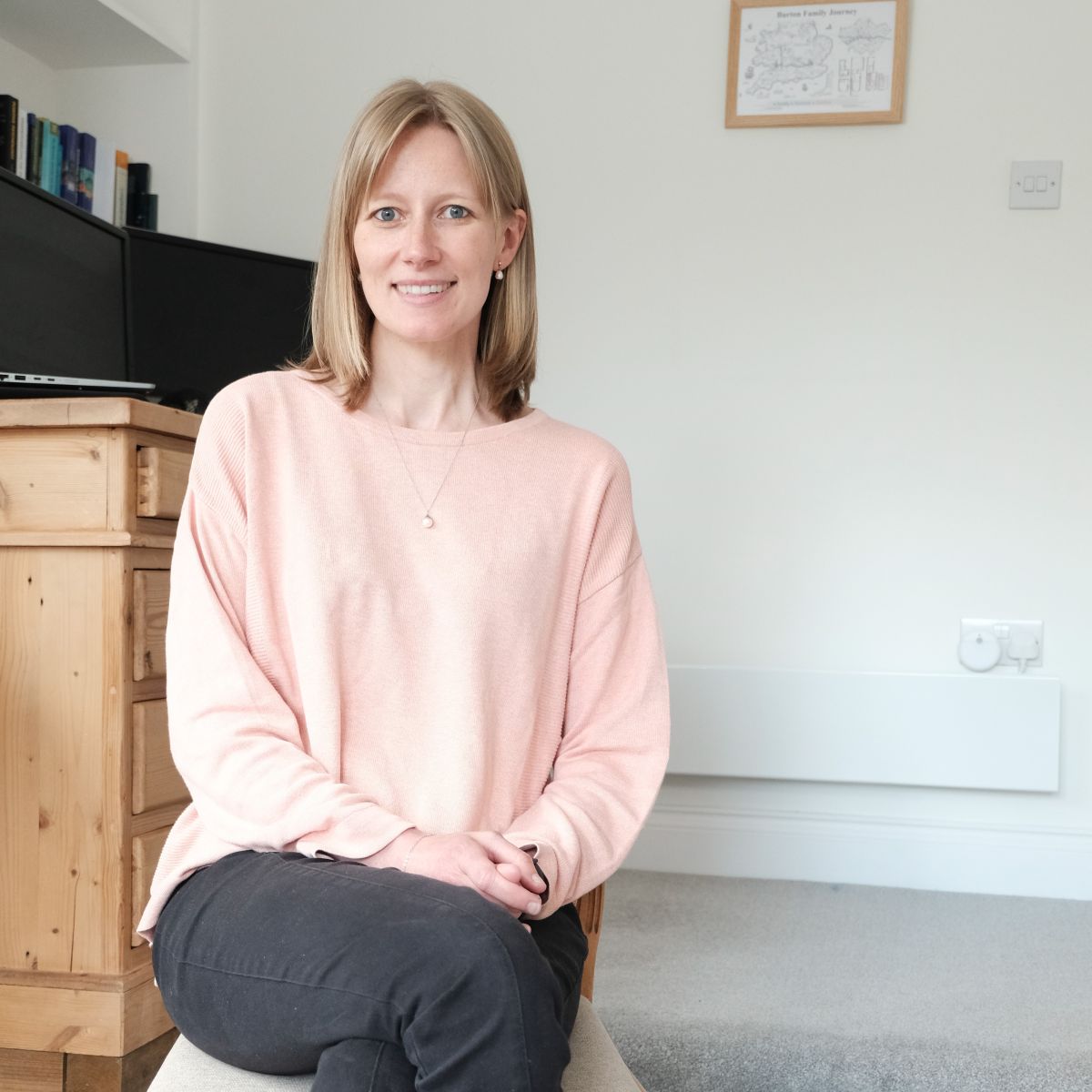
Go for a run, eat a salad or even reach for a painkiller and you’re aware of the physical impact it will have on your body. Similarly, an hour of therapy or off-loading to a friend can lead to obvious mental health benefits. But few of us consider the upshot of going to a gig, visiting a gallery, doodling on a notepad or singing in the shower on our wellbeing. And that’s just the start, according to Daisy Fancourt. Having spent her professional life to date exploring the impact the arts have on the human body, the 35-year-old is on a mission to spread the word.
As professor of psychobiology and epidemiology at University College London, and director of the World Health Organisation Collaborating Centre For Arts And Health, Fancourt has published hundreds of scientific articles and won copious academic awards. But it’s with her new book, Art Cure: The Science Of How The Arts Transform Our Health that she hopes to make the biggest splash, convincing policy makers, funders and the public that engaging with the arts can improve our health on a number of levels.
If proof were needed (and of course, it is), the last 60 pages of Art Cure are devoted entirely to references. But every word of the first 240 pages reads as if Fancourt is sitting opposite you in a café and chatting. Was that combination of conversational style and scientific gravitas important to her? ‘Yes, and it actually made it a really fun project,’ says Fancourt. ‘Because in academic papers you’re supposed to be fully objective, so having the freedom to write in my own voice was a luxury. But more and more, people are interested in how to live healthy, happy lives. There is plenty of self-help advice, but they want to know what is actually evidence-based. So I made sure it was very clear that everything is scientifically backed. There’s not a single statement I make in the book that doesn’t have a scientific study behind it.’
Filled with real-life examples of people whose health has been transformed by the arts, Fancourt breaks down the ‘how and why’ in a friendly, accessible style. And, having explained what’s happening inside us, each chapter ends with suggestions for how we can use the arts to prevent and improve illness. ‘I didn’t want to hit people over the head with dense jargon,’ she says. ‘I wanted it to be an easy, enjoyable read in the hope that it reaches people who would never normally approach a scientific paper.’
Art Cure is published by Cornerstone Press on Thursday 8 January; main picture: EXPeditions.