David Ottone on Flamenc Oh!!: 'It’s like a laboratory where you work with very, very dangerous material'
Think you know flamenco? Think again, as tradition is challenged in dance comedy Flamenc Oh!! where physical theatre, comedy and modern music are all thrown into the mix. Dom Czapski heads to Madrid for a sneak peek
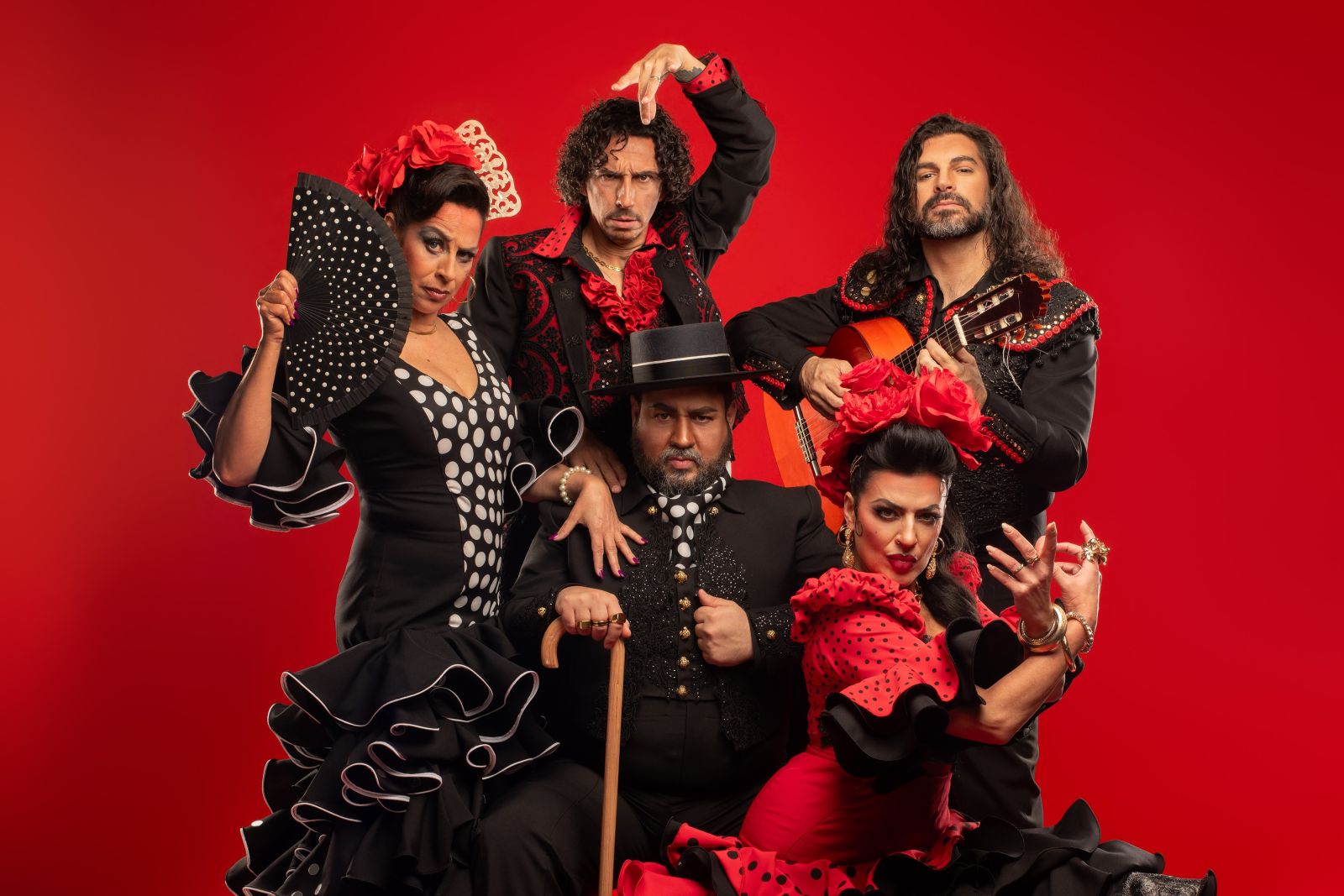
‘I consider myself an entertainer more than a director,’ says David Ottone, creative director of Yllana, the Madrid-based physical theatre company. It's a billion degrees outside as we walk to the theatre for tonight’s show. Ottone talks animatedly about his work; he is fighting off a summer cold and still seems to be more energetic than me.
We're on our way to see Yllana's latest work, Flamenc Oh!!, which is premiering at Madrid’s La Estación theatre and is coming to Edinburgh for the Fringe before going to the Peacock Theatre in London this autumn. It's the story of a flamenco family dominated by the father (played by singer David Bastidas), who wants tradition above all. Alas, a stranger (Luis Gallo) arrives and he has a guitar. He lures the father's two children (dancers Raúl Ortega and Anabel Moreno) and wife (dancer Raquela Ortega) away from the well-trodden paths of tradition and towards the more alluring chords of modern music.
In a fusion of physical theatre and flamenco, this story about an outsider turned the entire creative crew into outsiders themselves: Ottone, a comedian, didn't know much about flamenco and immersed himself in research before the show; and his highly skilled flamenco cast had to turn into clowns. Gallo, the guitarist, found the process understandably nerve-racking, having never acted before. ‘It’s not my job!’ he exclaims. ‘Sometimes I was like, this is too many things, the show is this evening, and they're still changing things on me!’ Ottone called the rehearsal process ‘pure chaos but completely focused… like a laboratory where you work with very, very dangerous material.’
In some ways, the narrative is modelled on Gallo’s own. When he was 12, he was desperate to find some guitar classes. The only teacher his mother could find taught flamenco, but Gallo also loved rock and jazz. ‘I just wanted someone who knew how to play,’ says Gallo. ‘He told me: “Luis, you love the guitar, you could be a great guitar player. But if you play flamenco, play flamenco. If you want to play jazz, play jazz. If not, you're taking the risk of being a beginner at everything and a master of nothing.” That line got into my head. But I always did it the way I felt it.’
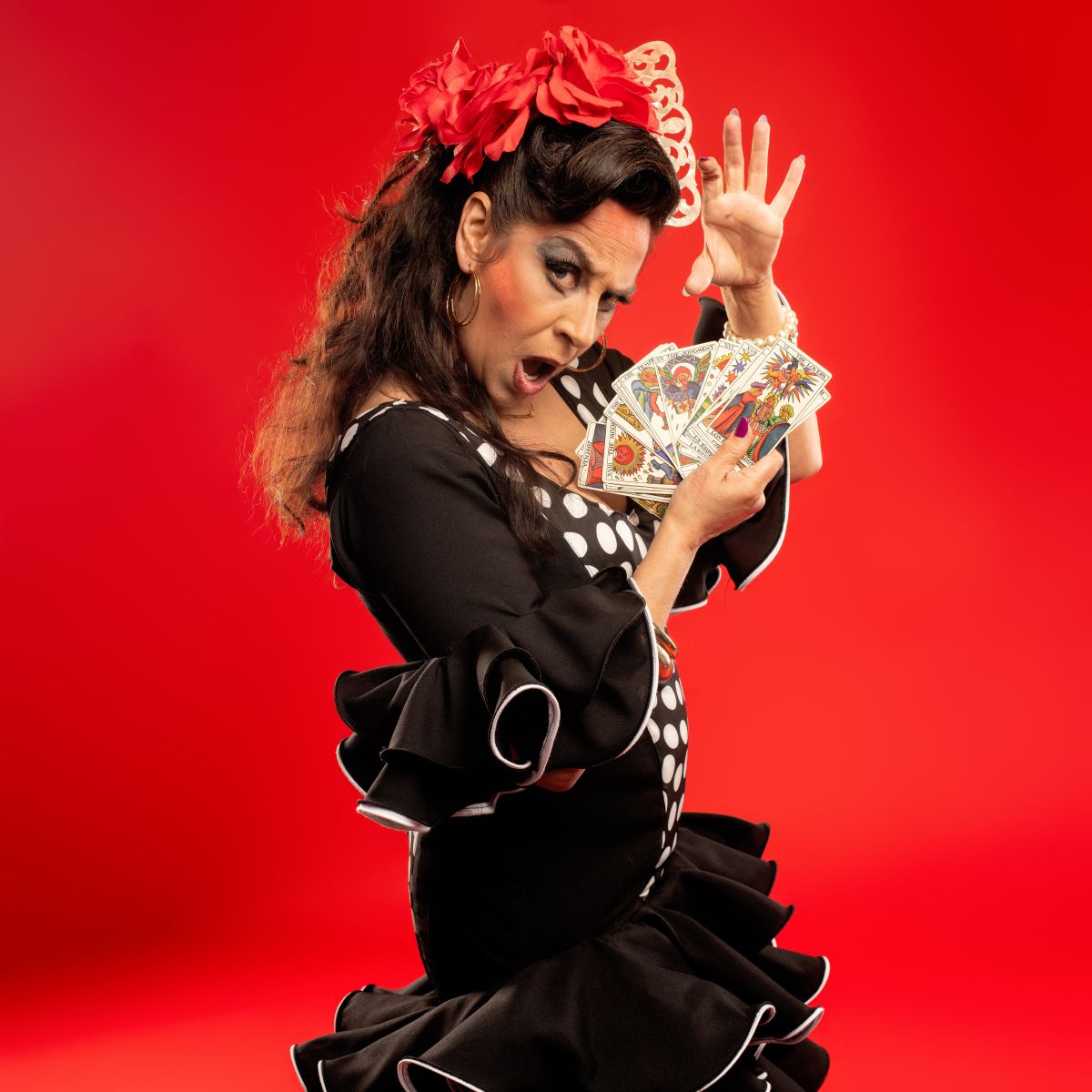
You might imagine watching flamenco is a national pastime, but Ottone insists it’s quite niche in Spain. The evening’s show says otherwise: the recently renovated Estación is practically sold out. And the audience is alive to the comedy, dancing and music (carried almost single-handedly by Gallo with mind-blowing speed and precision), punctuating the performances with frequent collective shouts of olé! At 85 minutes long, the show needs to be pruned for Fringe audiences. ‘It has to be one hour. Next Friday we're meeting… taking notes, timing, seeing how we shorten it, which number we take out.’ But with 35 years of performing physical comedy around the world, they feel ready. ‘Edinburgh, here we come!’ says Ottone, slapping me on the back.
With all its high jinks (including a boxing ring flamenco showdown between brother and sister), the show’s heart lies in how seriously it takes its flamenco. It opens with the father's singing, a summoning of the famous duende, a mystical feeling in the performer that goes beyond technique, reaching from the darkest recesses of the soul. The audience should feel it too. The poet Federico García Lorca said it was duende, for example, that pushed the great painter Francisco Goya to create his famous black paintings.
It then picks flamenco apart with comedy but keeps returning to the virtuosity and charisma of its performers in their natural habitat, with the kicking and swaying of their long, ruffled dresses (known as batas de cola). How do you even begin to extract comedy from such dramatic material? ‘If you watch the big flamenco artists, there’s a huge theatrical influence,’ says Gallo. ‘And that’s what makes it so easy to parody,’ adds Ottone. ‘All those gestures. We knew there was a lot we could do comedically around the flamenco codes.’
Flamenc Oh!!, Assembly Rooms, 6–30 August, 2.15pm.