Decision To Leave ★★★★★
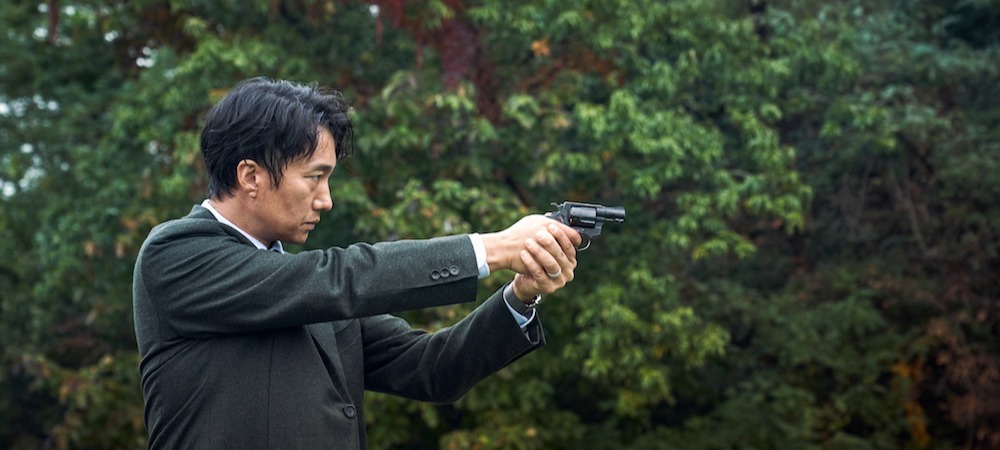
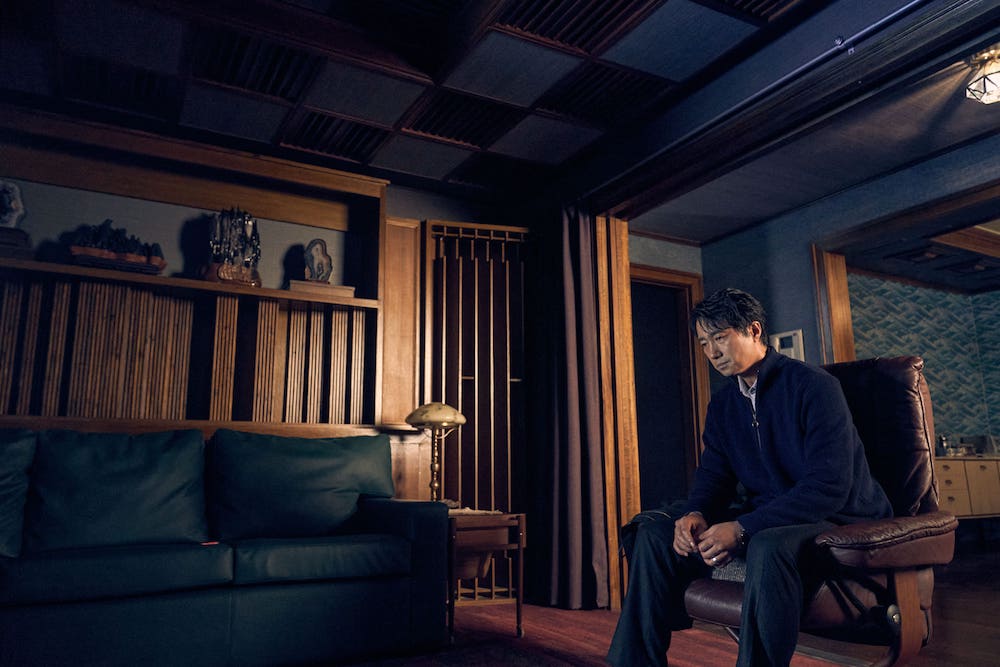
Movies fusing heartache and thrills are rare and wonderful beasts that quicken the pulse and hammer us emotionally. Decision To Leave is one such film. A tale of murder, passion and coming alive inside, this deliciously detailed, woozily romantic detective story comes courtesy of celebrated auteur Park Chan-wook, the South Korean filmmaker behind such unforgettable cinematic masterstrokes as Oldboy, Stoker and The Handmaiden.
Helmed with Hitchcockian audacity, the film snagged Park this year’s Cannes Best Director prize, no mean feat bearing in mind his considerable competition there (Kelly Reichardt, Claire Denis, Ruben Östlund, and the Dardennes to name but a few). Co-written with frequent collaborator Jeong Seo-kyeong, the pair bring male and female perspectives to an original story that nevertheless draws fruitfully on some genre classics.
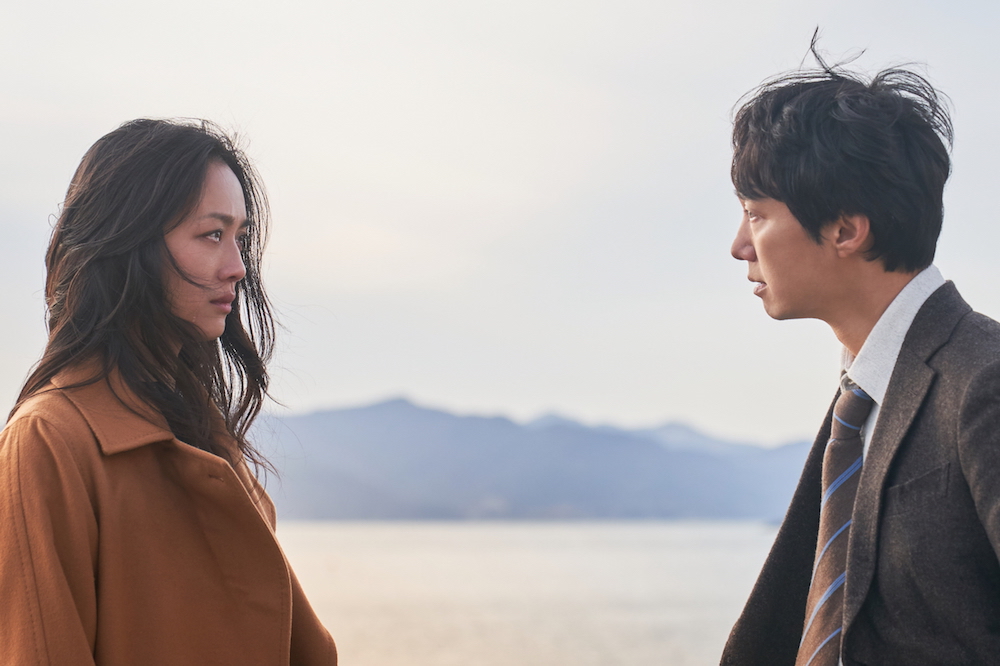
With the dogged pursuit of a mysterious object-of-obsession at its core, Hitchcock’s Vertigo provides the most obvious inspiration. But there are shades of Bob Rafelson’s groundbreaking and under-rated 1987 cat-and-mouse thriller Black Widow (starring Debra Winger and Theresa Russell), alongside Memories Of Murder, the brilliant second film from Park’s peer Bong Joon-ho. A supporting star of the latter, Park Hae-il, takes the lead here, playing knackered police inspector Hae-joon, whose inability to sleep makes him really great at stakeouts.
Decision To Leave begins with the Busan-based detective and his younger, less obviously competent partner Soo-wan (Go Kyung-pyo) investigating the death of a businessman and amateur climber, whose body is found at the foot of a mountain. It might just be an open-and-shut accident, but matters are quickly complicated when the married Hae-joon becomes fixated on the deceased man’s younger wife, Seo-rae (Tang Wei from Lust, Caution). The pair observe this China-born nurse taking immaculate care of her elderly patients, and yet her manner during interviews raises a red flag; she seems eerily unperturbed by her husband’s demise while, on paper, their relationship makes little sense.
There’s much more to this long and winding story, which relishes keeping us guessing, shifts location and includes the police duo’s farcical attempts to catch a pair of other criminals. On the domestic front, we witness the apparently futile efforts of Hae-joon’s devoted wife (Lee Jung-hyun) to keep their marriage alive. She’s based in a small coastal town and only sees her husband at weekends.
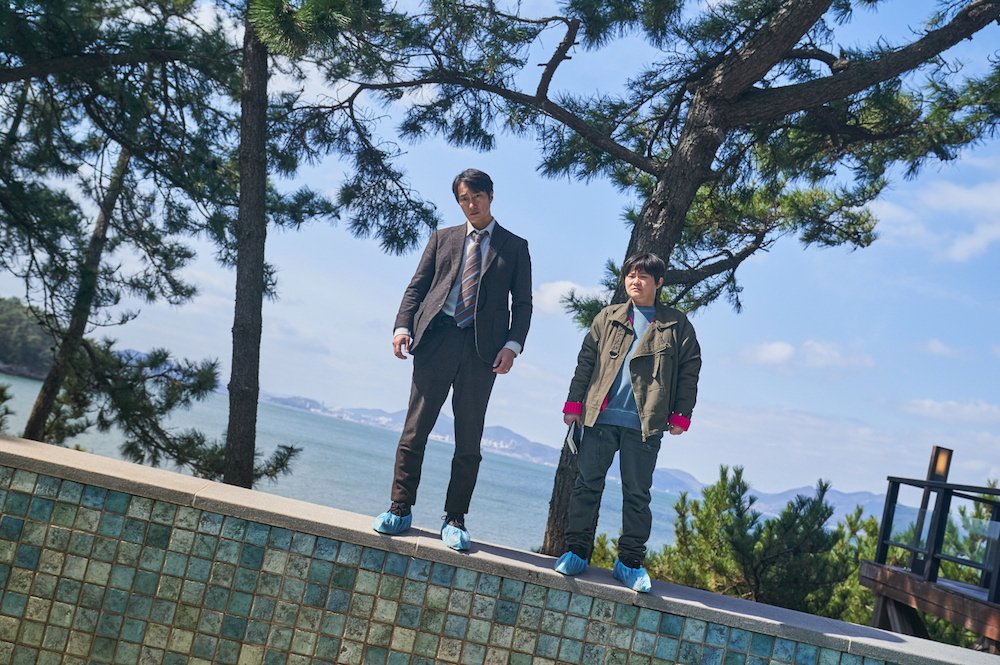
Alluding to the film’s sophistication and the subtlety that exists alongside its more eye-catching elements, Park has described his first feature in six years as a ‘story for adults’. He’s tended toward provocation in the past, and here swaps the sexually explicit antics of The Handmaiden and the ultra-violence of his Vengeance Trilogy (comprising Sympathy For Mr Vengeance, Oldboy and Lady Vengeance) for something less bloodthirsty and surprisingly chaste.
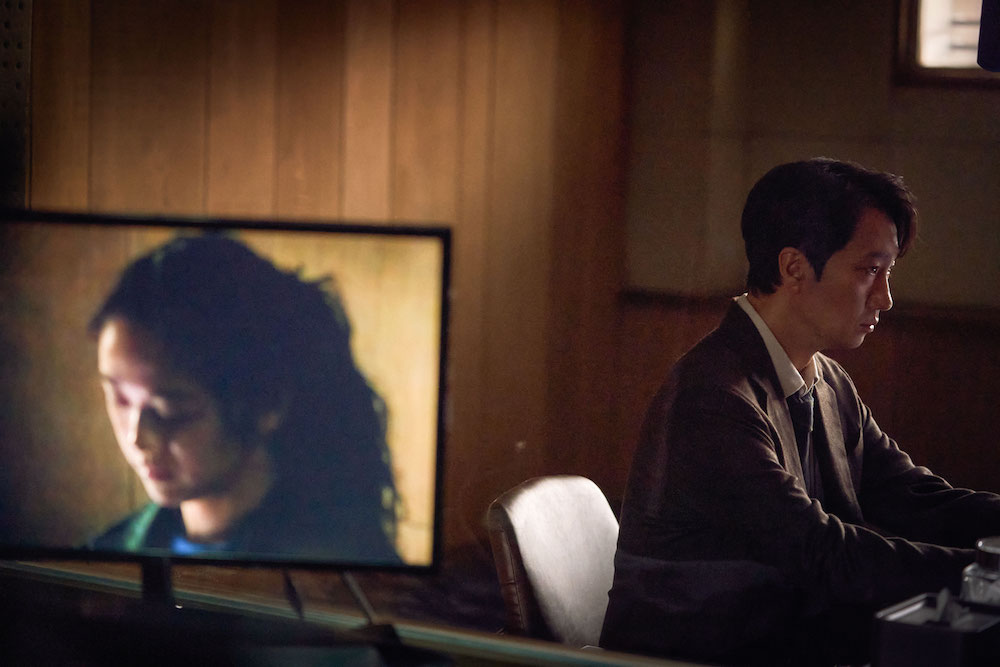
Employing striking dissolves and vivid fantasies, and working beautifully with cinematographer Kim Ji-yong, the director imaginatively captures Hae-joon’s inner life and the way Seo-rae invades his mind. Streaks of spirit-lifting, absurdist humour see the investigators bound together to scale a small mountain, as they walk the path the dead man took, and drawing some eccentric conclusions (‘less murder cases these days; nice weather perhaps?’), while the writing on the whole is impressively pulpy and playful (‘killing is like smoking; only the first time is hard’).
An appropriately mesmerising and enigmatic Tang gives us a fine, humanised take on the classic movie femme fatale, with Park Hae-il’s detailed work as Hae-joon an absolute delight; despite his attempts to hide them, Hae-joon’s feelings for Seo-rae are written all over his face, while his forlorn reactions to the unfolding events are priceless when he finds his professionalism compromised. As this dull and dutiful detective is awakened emotionally, what we’re witnessing appears to be the making, and inevitable breaking, of a very modest man. Outside of this engrossing and consuming love affair, the supporting stars crank up the eccentricity, providing welcome comic relief.
Another triumph from a master director operating at the very height of his powers, Park’s latest is a film to get lost in. Gripping and bewitching over a substantial but satisfying running time, this is elegant and enormously impactful filmmaking that holds you close in the moment and is sure to leave a lingering mark.
Decision To Leave is in cinemas from Friday 21 October; London Film Festival, Friday 14 & Saturday 15 October.