George Clooney on working with Adam Sandler: 'We just laughed through the whole thing'
James Mottram caught up with George Clooney to talk regrets, the joy of working with Adam Sandler and why reading a screenplay before committing to a project might actually be a good idea

The title character you play in Jay Kelly is a successful but emotionally empty movie star. What drew you in? Well, there’s a couple of attractions. It was a beautiful script. The director [Noah Baumbach] is spectacular. Working with Adam [Sandler] is a thrill. Seeing the part that Adam was going to get to play, I was excited. Listen, it’s a really interesting part. Some people are like: ‘Well, you’re just playing yourself’ but that’s kind of not really in any way factual because I’m not a guy who lives with regret. I came to that kind of attention much later in life and I’ve had a much different run.
So what did you like about playing a movie star? I just felt like it was going to be a fun thing to play with. The minute I read the script I was in. I mean, honestly, when you get a call from Noah, you’re probably going to be in anyway. It’s like when the Coen Brothers called me: ‘We got this project’. I’m in! He’s one of those directors.
Had you seen Sandler in Baumbach’s The Meyerowitz Stories? I really enjoyed it. I watched it late. I got to it a year after it came out. For some reason, it didn’t hit all the radars that I thought it would. I thought the movie was beautiful.
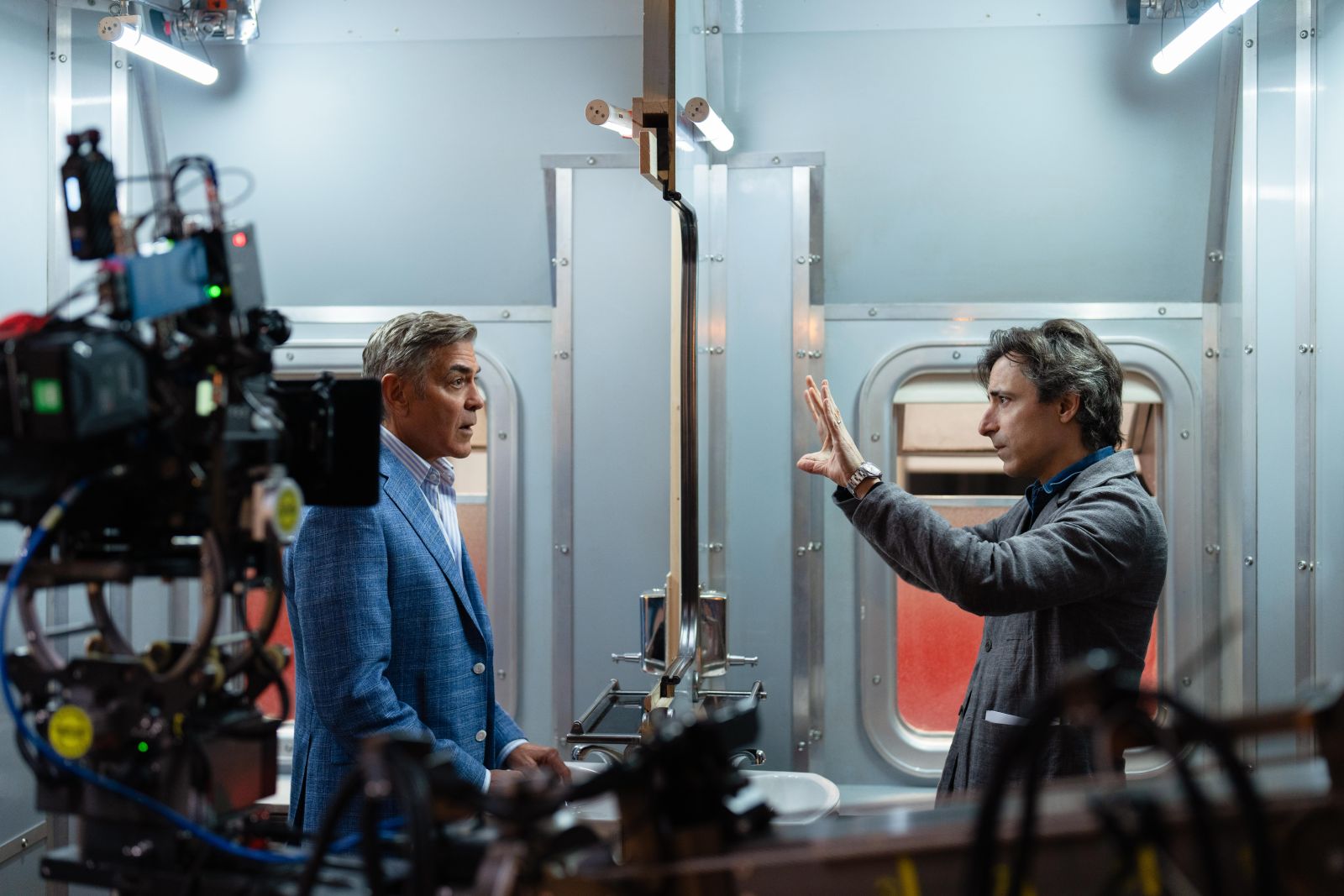
Jay has a midlife crisis and considers quitting his next movie. Would you ever do that? There are some complicated ties, because leaving means that 250 people are unemployed.
You and Adam Sandler, who plays Jay’s manager, have a great rapport in the movie. Is that the same in real life? We’ve been friends for a long time. He’s come to the house before for dinner. But movies are where you end up living together. You become a little gypsy family. And the first thing you find when Adam comes in (and particularly with his family, who were also working there) is that it’s just such a loving and warm and kind environment, and there’s none of the childish things that can happen sometimes on movie sets. I think we just laughed through the whole thing and really enjoyed working together.
In your career, you’ve done both, but do you feel comedy is harder than drama? It’s much harder because the results are so much harder. When you do a comedy, they either laugh or they don’t.
Jay comes face to face with people from his past. Do you believe it’s ever really possible to fix what’s behind us? I would hope so. Sometimes you can’t, right? There’s certain things that you can’t. When we were looking at this script… there were several different endings for the movie, trying to find a way to land it, by saying: ‘You can’t make it all work out with his daughters, because you screwed it up so badly.’ So how do you make it ok? Well, maybe there is value in who you were, even though you ended up not being a great dad. And we’ve had people in history that have been great people who’ve also been lousy parents along the way. Benjamin Franklin, for instance. It’s an interesting question: can you fix things going back?
Jay winds up travelling on a train. Do you ever use public transport? Yes. I do like public transport! I do a little public transport in Europe. You end up talking to people. Now, some people you kind of don’t want to get all that close to!
What’s the biggest lesson you’ve learned in your career? After a series of very bad mistakes in film early on in my career, I learned that I should probably read a good screenplay every once in a while before I say yes! I’d been on that Batman And Robin, Peacemaker run: when you first start getting work as an actor, you just take jobs. I’d been on a lot of TV series, and I got a couple of films, and I was very excited. I’m calling everybody going ‘I got Batman! Woo!’ It’s like: ‘I’m in Ishtar! Woo!’ Who knew? It happens. And then I started to understand that I was going to be held responsible for not just the role that I was going to get to play but for the films that were going to get made. So the next three scripts I worked on were Out Of Sight, Three Kings and O Brother, Where Art Thou?, which were all very good scripts. You can really protect yourself as an actor when you work with really good people. You can hide a lot of flaws along the way.
Jay Kelly is in cinemas now and on Netflix from Friday 5 December.