Ian McEwan: Lessons ★★★★☆
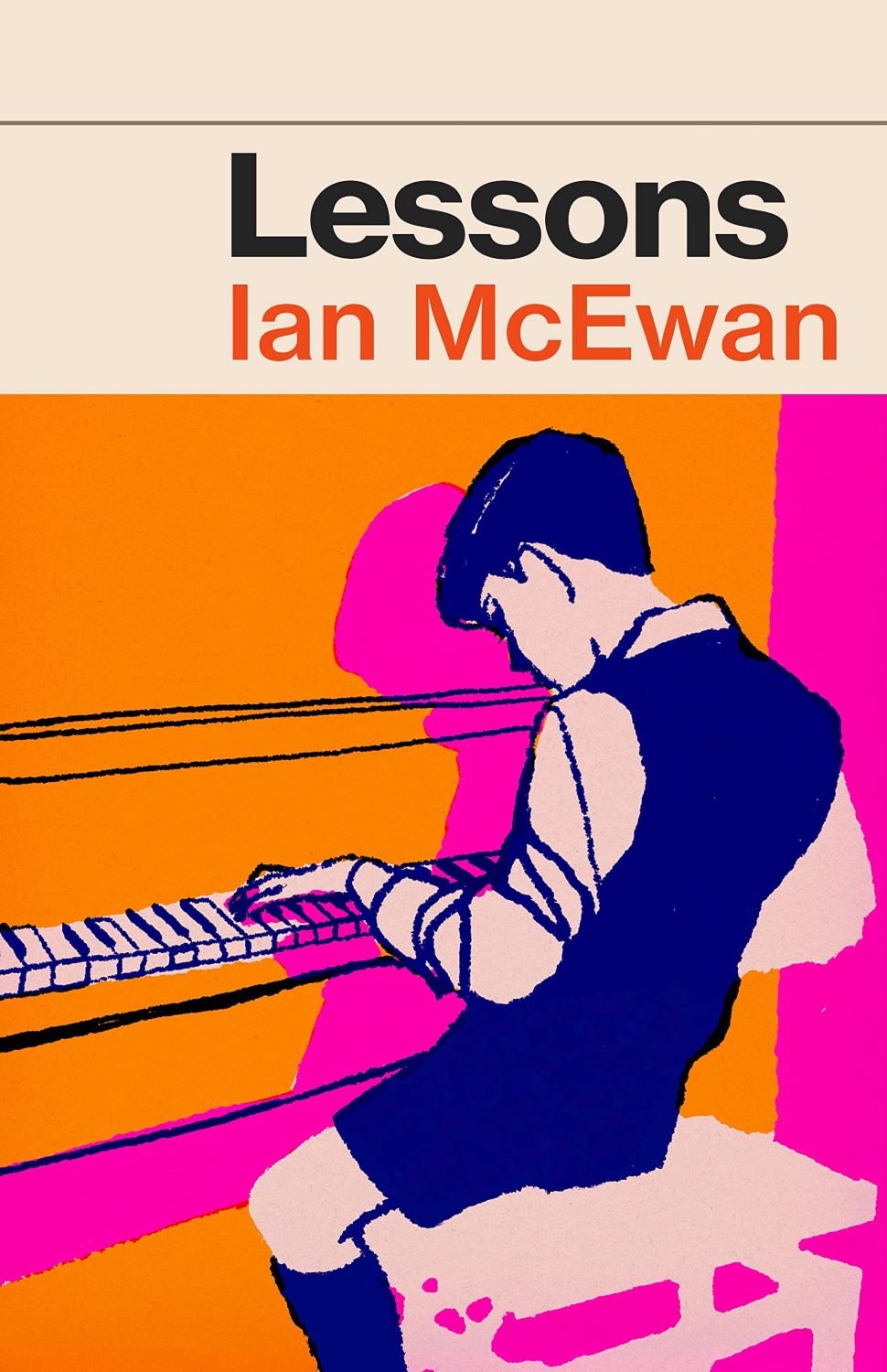
In Lessons, Ian McEwan unravels the life of one man and, with it, a whole host of connected characters and personalities. The writer’s 18th novel spans seven decades, from the years following the Second World War all the way to the pandemic. In recounting the story of dissatisfied protagonist Roland, McEwan takes a sweeping look at the events that shape him.
These influences range from the micro to the macro. There are the piano lessons from a young female teenager when he is just a boy that turn into something entirely different and darker; a formative, scarring and seemingly thrilling experience that he feels complicit in, unable to recognise its abusive nature. Then there are the huge world events: the Cold War threat of nuclear annihilation that drove him into the arms of his piano teacher; the Berlin Wall and its eventual fall; the Thatcher years and the way they changed the ideals and morals of Roland and his contemporaries; and the way the Second World War influenced the lives of his parents and in-laws.
The book’s scope is wide and so much comes back to the central examination of the kind of lessons we learn and teach ourselves in deciding how to exist in this world. Roland believes that he has drifted through a life he hasn’t chosen, reacting to events rather than setting out his own path. And yet the decisions are all his own, no matter how they have been influenced by experience: ‘He supposed he had put together a sort of education for himself, but that was messily done in a spirit of embarrassment or shame.’
It’s an epic tale with domesticity at its centre, encompassing a swathe of history, designed to make you think of the impact events have on you and, in turn, the impact you make on the world.
Published by Vintage on Tuesday 13 September.