James Chapman on new bakery Confelicity: 'The food is going to be good quality for everyone, whether they’re gluten-free or not'
For chefs, bakers and those with gluten intolerances, the words ‘gluten-free’ carry the dull thud of deadening expectation. But Donald Reid finds new artisan bakery Confelicity is raising hope as well as dough
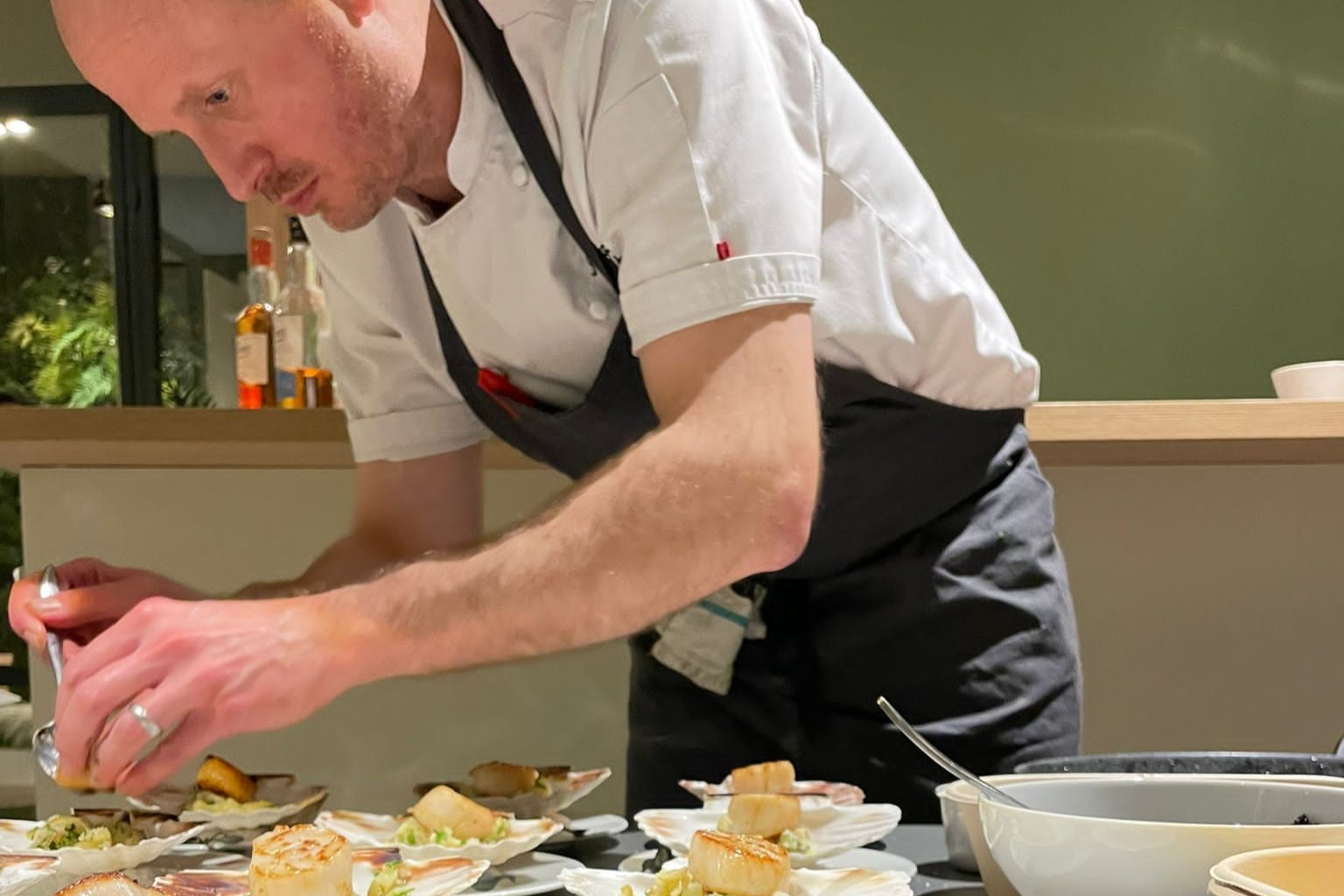
I was diagnosed coeliac six years ago,’ recalls James Chapman. ‘For me it was like, “oh good, I actually know what’s causing these symptoms. It’s a simple fix; you just stop eating gluten.” But eating out is almost ruined, and you have the social frustrations and awkwardness of being that guy who can’t have a piece of cake at a party. You just feel a bit left out.’ For Chapman, a chef and head chef in different venues within The Kitchin group of restaurants for the last 12 years, it also challenged his career. ‘As a chef, you’re giving things to the customer, so of course you taste them first. It’s almost instinctive. But as a coeliac, you either can’t do it or you’re so busy that you just have a quick taste when you really shouldn’t.’
Furloughed during covid, he was making wheat sourdoughs at home. Then came his diagnosis, so he made an obvious pivot. ‘If you can make sourdough, you can make gluten-free sourdough. It’s just different ingredients. I made a gluten-free starter and it didn’t do anything for 20-odd days and then it suddenly started to behave just like a starter. It’s exactly the same science.’ By this point, Chapman was looking seriously at creating his own café-bakery. ‘I wanted a daytime business for family reasons and it had to be gluten-free. While the number who have to be gluten-free or choose to be is only about 8%, those people don’t have many places where they can choose from anything and not worry about cross-contamination. It really can be quite liberating for them.’
A parallel form of liberation for Chapman is to avoid ultra-processed foods. ‘I don’t even go down the Free From aisle in the supermarket anymore. Especially if you’re coeliac or gluten-free, your stomach is potentially damaged so you’re not absorbing nutrients in the same way. A good diet can’t be relying on ultra-processed products. Even if I wasn’t coeliac, I’d still be trying to use as many natural and seasonal ingredients as possible.’
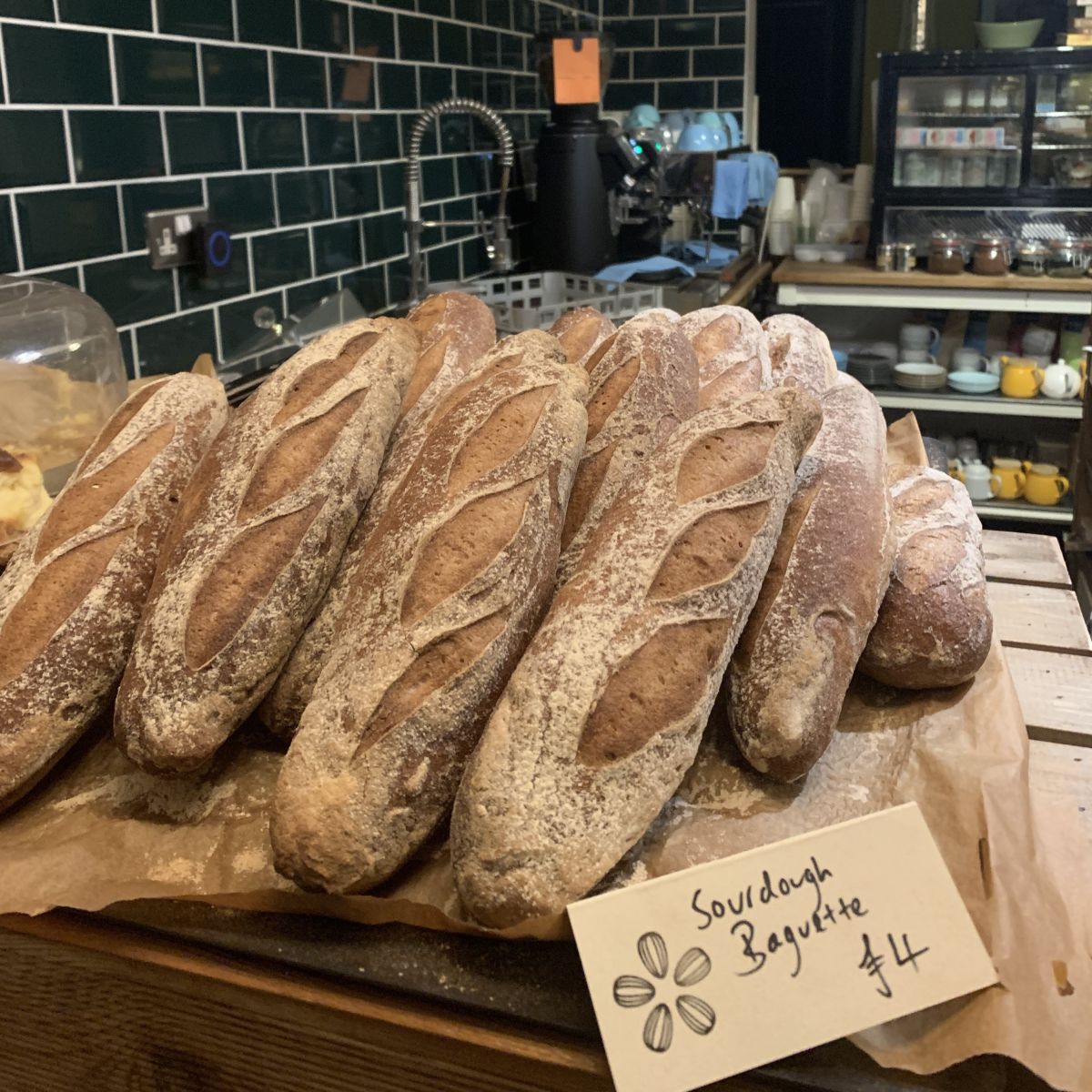
Chapman’s loaves are made with different blends of rice, sorghum, millet and teff flours plus tapioco and potato starches. To replace the gluten, he uses psyllium husk rather than xanthan gum, a chemical he’d prefer to avoid. The loaves are steam-baked in a similar way to other sourdoughs to produce dark, distinct, chewy crusts. Fresh from the oven, the boules and baguettes look and smell the part. In texture, moisture and taste, they’re a clear departure from dry, crumbly mainstream gluten-free breads.
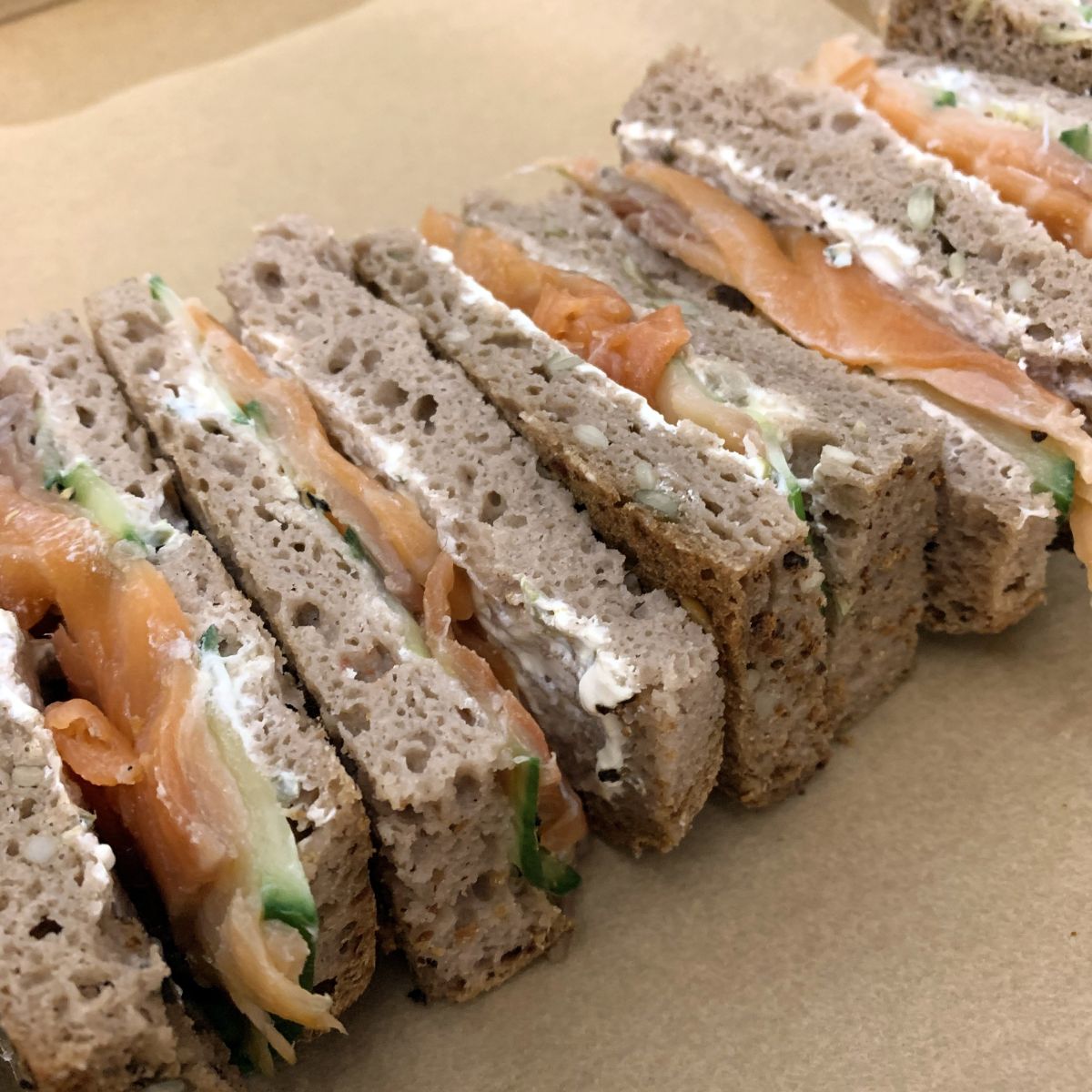
Confelicity Bakery opened in Bruntsfield late last year. Alongside loaves, they sell cookies and cakes (another challenge) while Chapman is on a mission to perfect gluten-free pastries, with cinnamon buns first to make their appearance. The café serves savoury brunches and lunches, with plans to run monthly supper clubs. Rooted in his own story, it’s important for Chapman to offer people who can’t eat gluten the chance to go out for dinner without having to worry. ‘It doesn’t matter where you go and how good the restaurant is, you’re always a little anxious. But it’s also for the whole table of friends or family; because I’m a chef, the food is going to be good quality for everyone, whether they’re gluten-free or not.’
This ethos explains the name for the business, derived from the Latin con-felicitas (literally meaning ‘shared happiness’). ‘It’s basically the joy that comes from the happiness of others’, explains Chapman. ‘You know you’re in hospitality for the right reason if you like making people feel happy.’
Confelicity Bakery, 167 Bruntsfield Place, Edinburgh.