Jasleen Kaur on Superstructure: 'Glasgow is such a complicated place for me'
For the Glasgow Festival, Turner Prize winner Jasleen Kaur investigates trade, industry and empire in a work that wends its way along the banks of the Clyde. Greg Thomas discovers that the artist’s new-found status hasn’t dimmed her political activism
.jpg)
I’m sitting on a fold-out chair in a drafty construction workshop on a north Glasgow trading estate. This is the slightly idiosyncratic setting for my discussion with Jasleen Kaur, the Pollokshields-born sculptor and installation artist selected to create a permanent public artwork for Glasgow 2026, the festival coinciding with this year’s Commonwealth Games. In spite of the clammy, mild weather, I’ve been advised to arrive wrapped up, as the workshop gets cold. At one point, a strong breeze slams a nearby door violently shut. We jolt and swear in unison.
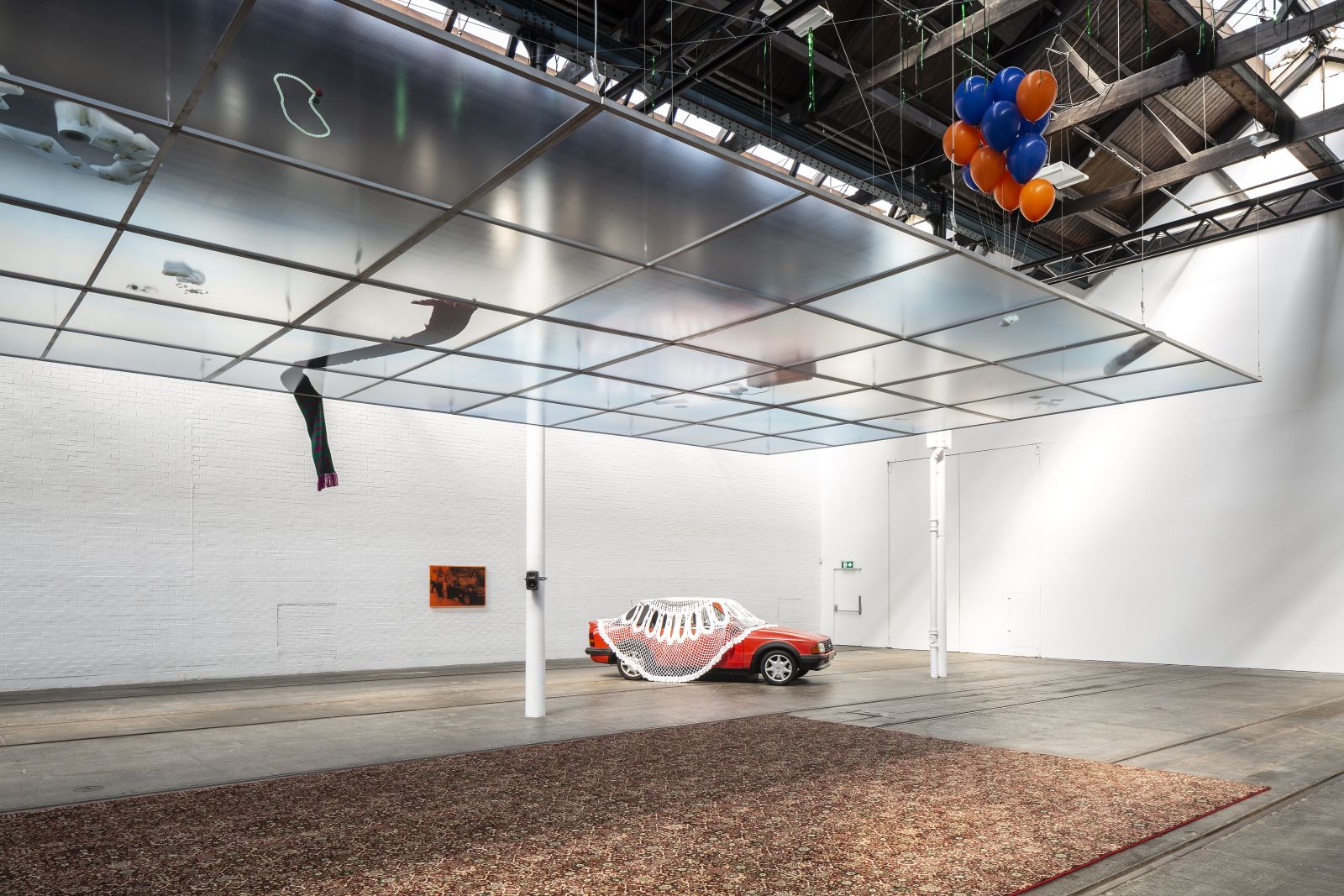
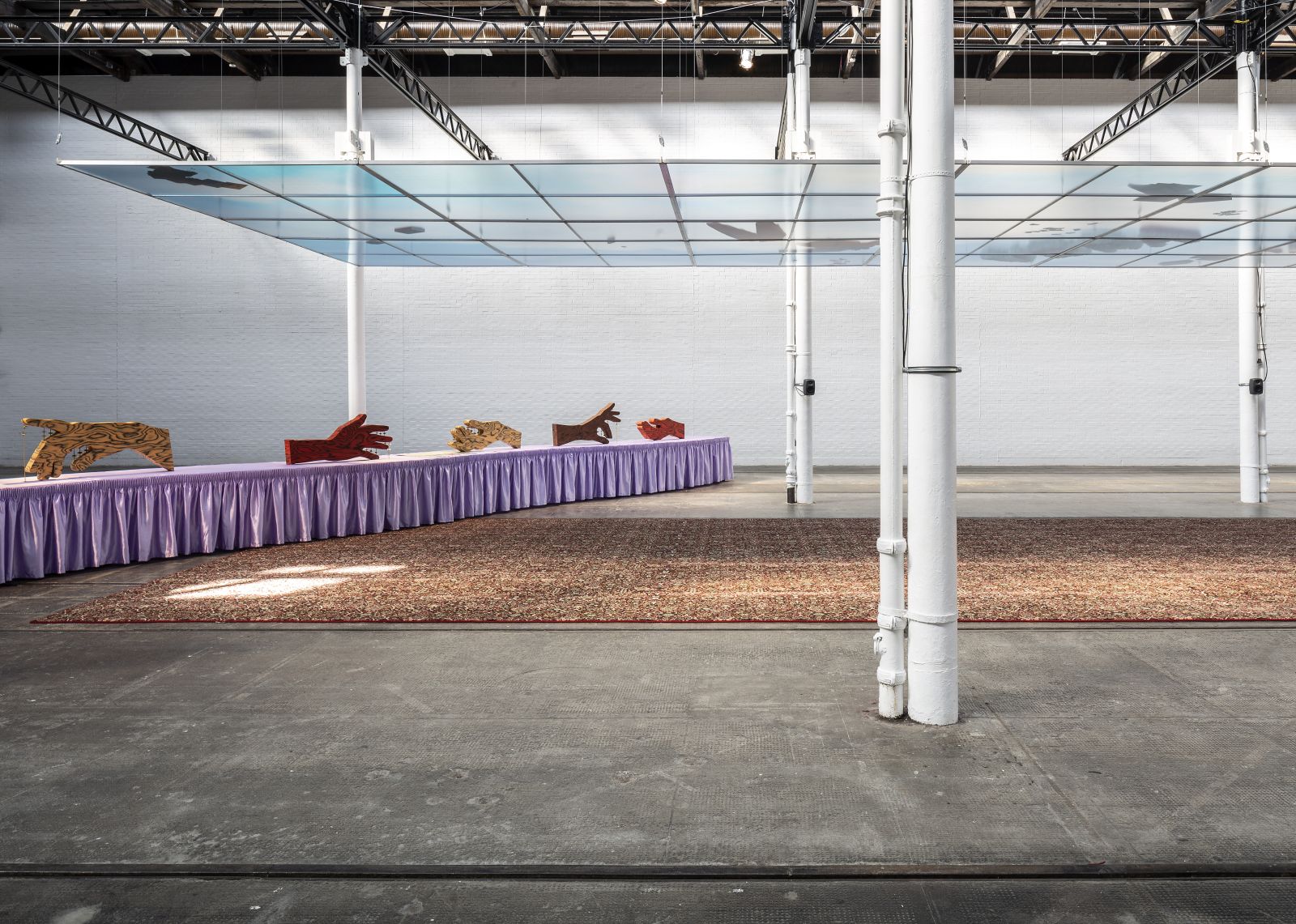
When I caught up with Kaur in 2023, she was preparing for another homecoming of sorts, a large-scale solo exhibition at Tramway, just a few streets from where the artist grew up. A lot has changed since then. Most significantly, that show, Alter Altar, secured Kaur the 2024 Turner Prize, for what the Tate called ‘its ability to gather different voices through unexpected and playful combinations of material, locating moments of resilience and possibility’. A mixture of sculpture and sound-and-motion based installations (most memorably a vintage Ford Escort with a giant doily draped over it), the exhibition evoked the migrant experience in ways that were equal parts poignant, politically freighted and formally inventive. Kaur recalls leaving Tramway the day before Alter Altar wrapped: ‘I filmed my exit. It felt like such a romantic but also conflicted moment. Glasgow is such a complicated place for me. There’s a reason I don’t live here. That adds to the significance of having space to make stuff here.’
Kaur used the platform granted by the Turner Prize to express solidarity with a pro-Palestine protest taking place on the night of the ceremony at Tate Britain, and which she joined beforehand. From the podium she called for Tate to sever ties with organisations complicit in ‘a genocide of the Palestinian people’. It was, she tells me, an easy decision to use her enhanced reputation in this way. But at times the artist’s activist inclinations have rubbed up against the corporate and civic bureaucracies now inviting her to collaborate with them.
So far, though, the Glasgow 2026 team have placed no barriers in her way. So what is she making? ‘The work has developed from a permanent artwork at Thamesmead in London. I worked for four years with various community groups there and the piece developed from that; a text on the end of a pole that moves around in the wind.’ The line of writing, converted from cursive into a largescale piece of coloured metalwork that’s somewhere between a road sign and a weathervane, read ‘Horses Are Here’, a reference to the rich Traveller history of the district.
Kaur’s project for Glasgow 2026 will consist of eight works on a similar scale, six-metre-high poles on heavy terrazzo concrete bases, with lines of text above that spin around, pointing to different locations along the edges of the River Clyde. Entitled Superstructure, it responds both to the Marxist idea of economic relations configuring cultural discourse (we speak about festivals celebrating the Commonwealth as classic examples of this, designed to sanitise international relationships forged through imperial plunder) and the architectural forms that sit above building foundations.
After various permission-based fankles, locations for the eight works have been chosen at two sites, the first outside The Briggait, a Victorian market-hall complex and site of the city’s original Trades House: ‘Though I’m also interested in its proximity to the sheriff court,’ says Kaur. The second is further west in the city centre, at Broomielaw. ‘I wanted those pieces to point towards the new Barclays building, as well as the King George V Bridge, with BAE Systems [arms manufacturers] nearby in Tradeston.’
The aim is for the perched, spinning phrases (including pithy statements such as ‘this should be public’) to gesture towards sites redolent of the city’s economic and imperial past, present and future. ‘There’s all this debate and dialogue about how the Clyde is not developed. But what you do have is a huge new bank complex, a weapons company, as well as sites that suggest the judiciary and taxation. These are the forces that are burgeoning on the Clyde.’ The work will make a formally creative yet politically freighted intervention into the story of a city that still carries the conflicts and tensions birthed by empire deep in its breast.
Jasleen Kaur’s Superstructure begins on Clyde Street opposite The Briggait, and follows the north side of the River Clyde to Kingston Bridge; main picture: Suzannah Pettigrew.