La Bola Negra film review: Buried histories
Los Javis’ extraordinary, era-spanning drama explores queer erasure, intergenerational trauma and the fight for sexual freedom in fascist Spain
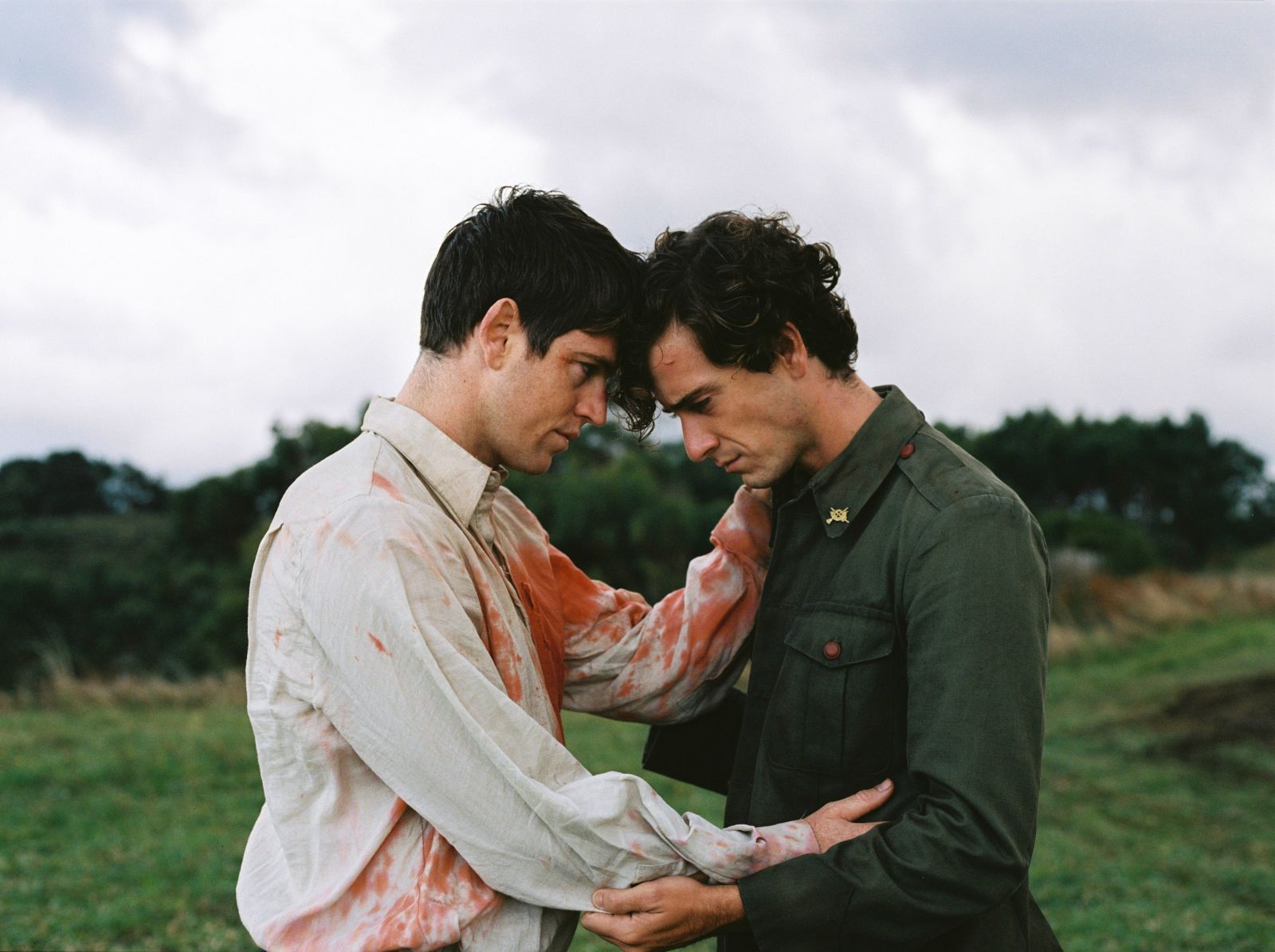
As it furiously reckons with Spain’s problematic past, this incredible film about intergenerational trauma and the erasure of queer history feels like a seismic achievement. La Bola Negra takes as its starting point the poet and playwright Federico García Lorca’s unfinished work of the same name, fashioning it into an era-spanning story, incorporating elements of co-writer Alberto Conejero’s life, as well as his play La Piedra Oscura. It’s a visually striking, masterfully structured film that expertly enmeshes a trio of stories together, stories which bleed into and draw strength from one another.
In 1932 we follow 20-year-old Carlos (Milo Quifes) as he is denied membership to an elite social club after a blackball ballot, due to rumours about him being gay. A Spanish Civil War strand introduces us to trumpeter Sebastián (singer-songwriter Guitarricadelafuente, astonishing in his film debut), who is forced to join the Nationalist forces in 1937 after his village is attacked by Italian aircraft, before falling for Miguel Bernardeau’s imprisoned Republican soldier and ex-footballer Rafael, the lover of the aforementioned Lorca, played here by Alberto Cortés. Fast forward to 2017, where historian and former dramatist Alberto (Carlos González) is collecting examples of queer dissidence in early 20th century songs when he is informed that his estranged grandfather has passed away, leaving him a mysterious inheritance, something that turns out to be connected to the two earlier tales.
La Bola Negra has been written and directed by Los Javis (creative and former romantic partners Javier Calvo and Javier Ambrossi), collaborating with Conejero, with the pair deservedly bagging Best Director for their efforts at this year’s Cannes. The trio spin a story about the agony of self-denial into something which reflects the richness of the human experience, resulting in one of the year’s must-see movies. Although La Bola Negra is largely a showcase for its extraordinary male talent, there are superb appearances from iconic actresses Penélope Cruz, Glenn Close and Lola Dueñas, playing a cupletista (risqué entertainer), Lorca scholar, and Alberto’s chaotic mother, respectively. Its directors broke up during the shoot and yet they have managed to produce a film that’s impossibly moving and emphatically cinematic that highlights the importance of sexual freedom in the fight against fascism, something which feels desperately relevant today.
La Bola Negra is in cinemas from Friday 6 November; picture: Altitude.