Little Miss Sunshine at 20: Why the sun never sets on this timeless tragicomedy
Ahead of a special anniversary screening of Little Miss Sunshine, Kevin Fullerton considers how its loveable family of losers became a worldwide hit
‘The limpest dick in the world’ is how Quentin Tarantino recently described Paul Dano, a singular acting talent who, for whatever reason, seems to have profoundly hacked off the divorced dad’s director of choice. While intended pejoratively, there was an element of truth in Tarantino’s sideswipe against Dano who, for all his range, remains at his best when playing a wilting, anti-tumescent presence. His gangling frame, doughy features and charming moonface have made him the archetype of the limp-dick leading man.
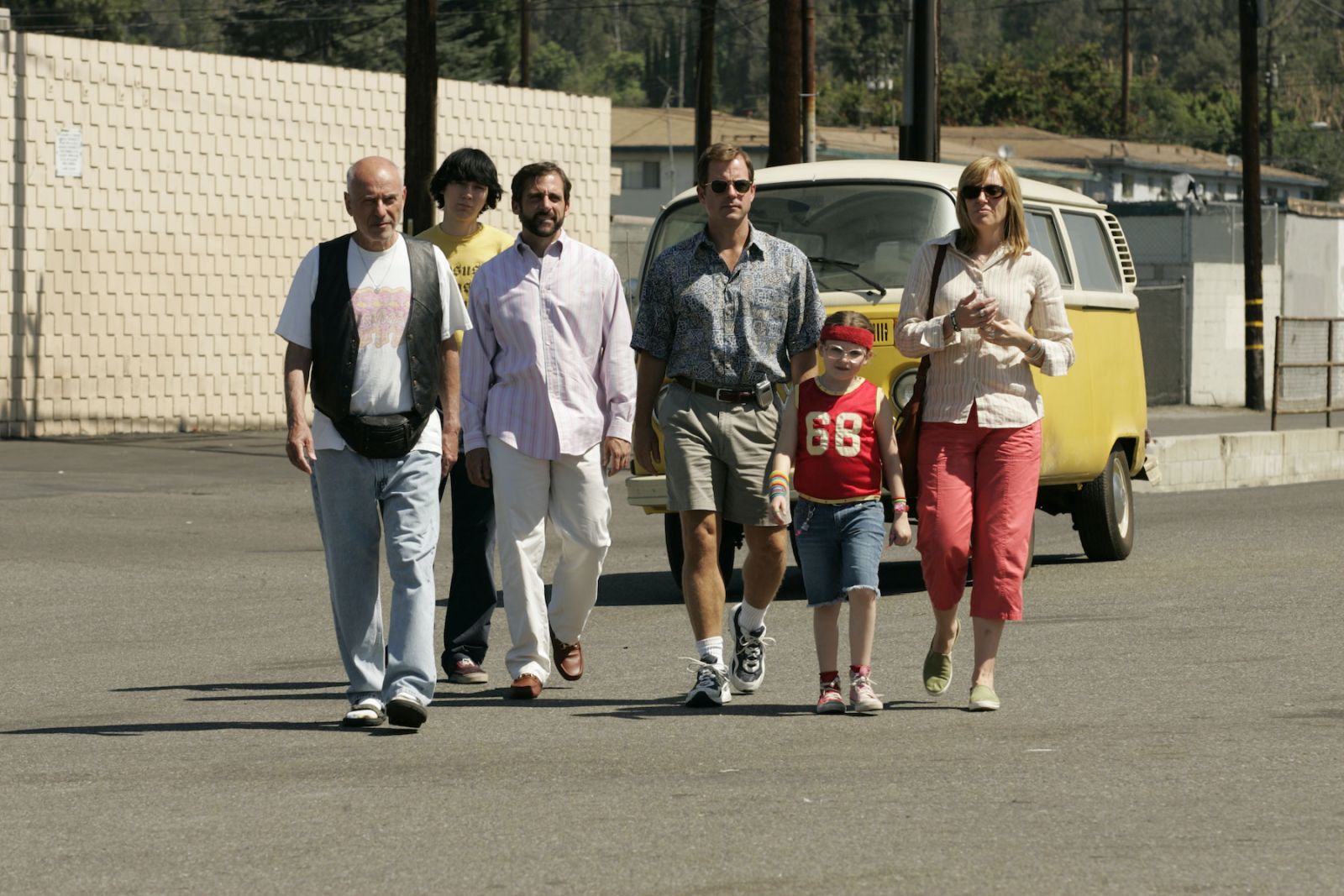
2006’s Little Miss Sunshine was his breakout role and it plays to his strengths, setting him against a family of men grappling with their profound failure to fulfil long-held ambitions. Dano is joined by Greg Kinnear (as a wannabe celebrity life coach) and Steve Carell (playing a once-brilliant academic whose career is toppled by a misguided romantic tryst and a suicide attempt). Rounding off the male cast is the late Alan Arkin whose character is, by contrast, a single-mindedly priapic figure besotted with drugs and sex. The women of Little Miss Sunshine are no less troubled: Toni Collette plays a mother and wife quietly labouring through the rapid disintegration of her homelife, while Abigail Breslin gives an incredible performance as a seven-year-old desperate to win big at the beauty pageant which gives the film its title.
 Their journey to that pageant forms the structure of the film which, thanks to its Oscar-winning screenplay, spawned a huge number of indie-aesthetic movies featuring stark colour palettes, dour but relatable humour, tense road trips and anti-Republican sensibilities (Captain Fantastic, Nebraska and The Darjeeling Limited would strike up similar though less fondly remembered atmospheres).
In its day, Little Miss Sunshine was one movie among others (Juno, Garden State and Napoleon Dynamite for three) released in the 2000s that touched on similar topics. Yet its motley crew of underdogs and wildly funny finale carved a unique place in the mainstream, inspiring hundreds of hastily cobbled-together TV documentaries about the curious obsession with child beauty pageants in the US.
As it turns 20 years old, this simple comedy drama is a reminder of the firm grip that a mid-budget feature can have on the public consciousness, an alien concept in the risk-averse corporate bowels of contemporary Hollywood. Limp dicks they may be, but these losers are as resonant now as they were in 2006, in part because they navigate the same narrative arc that propelled authors such as John Steinbeck and William Faulkner: a small family grappling with the grand myth of the American Dream.
Little Miss Sunshine, Cameo, 16 August, 3.30pm.