Mel McGlensey on clowning: 'I’m at my best when I don’t know what’s going to happen next'
Adelaide’s Fringe is a place where a new breed of clowns come to thrive. Jay Richardson delves into the discipline: no red nose required
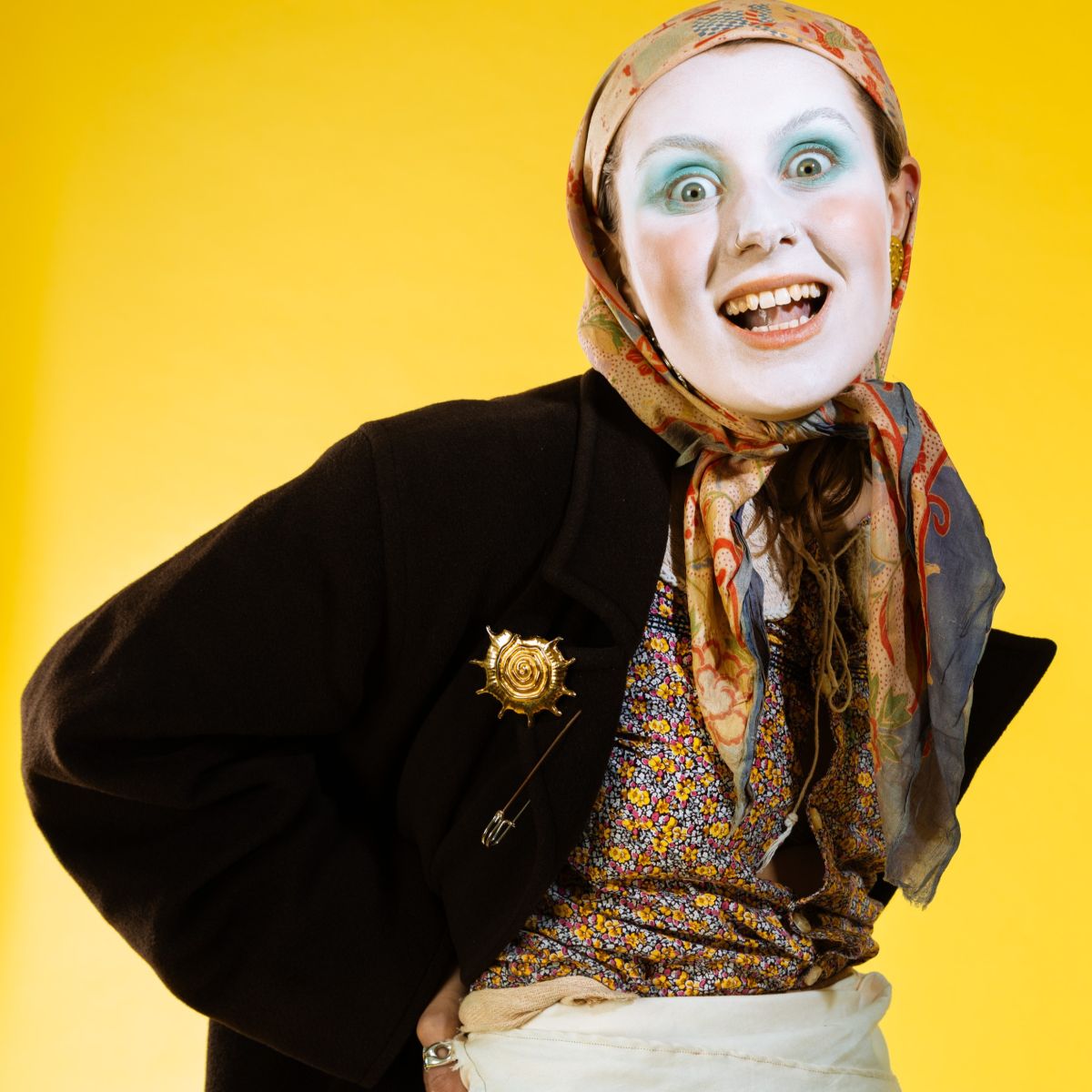
Underpinning Mel McGlensey’s latest show, Normal, is frustration with the comedy industry’s failure to celebrate its ‘weirdos’. The clown/comedian is ‘tired of seeing the same people on TV over and over, the same faces selling out massive stadiums.’
‘Other countries are much better at embracing the weird,’ she says. ‘Our true weirdos become streamers or TikTokers because they don’t get institutional recognition’.
By contrast, fringe festivals offer a welcome showcase of non-conformism and diversity. Adelaide, where the Melbourne-based American scooped the Best Comedy Award in 2024 for debut clown show, Motorboat, has become McGlensey’s ‘heart home’… one of the few places where weirdos and freaks get to reign supreme. And I mean that affectionately.’
Certainly, this year’s Fringe reflects a global vogue for clowning. Welcoming back the US-based Kiwi mime superstar Tape Face, as well as internationally feted performers such as Garry Starr and Elf Lyons, McGlensey maintains it’s a golden age for the artform, supported by venues like The Courtyard Of Curiosities (co-founded by critically acclaimed clown Britt Plummer) and Fool’s Paradise.
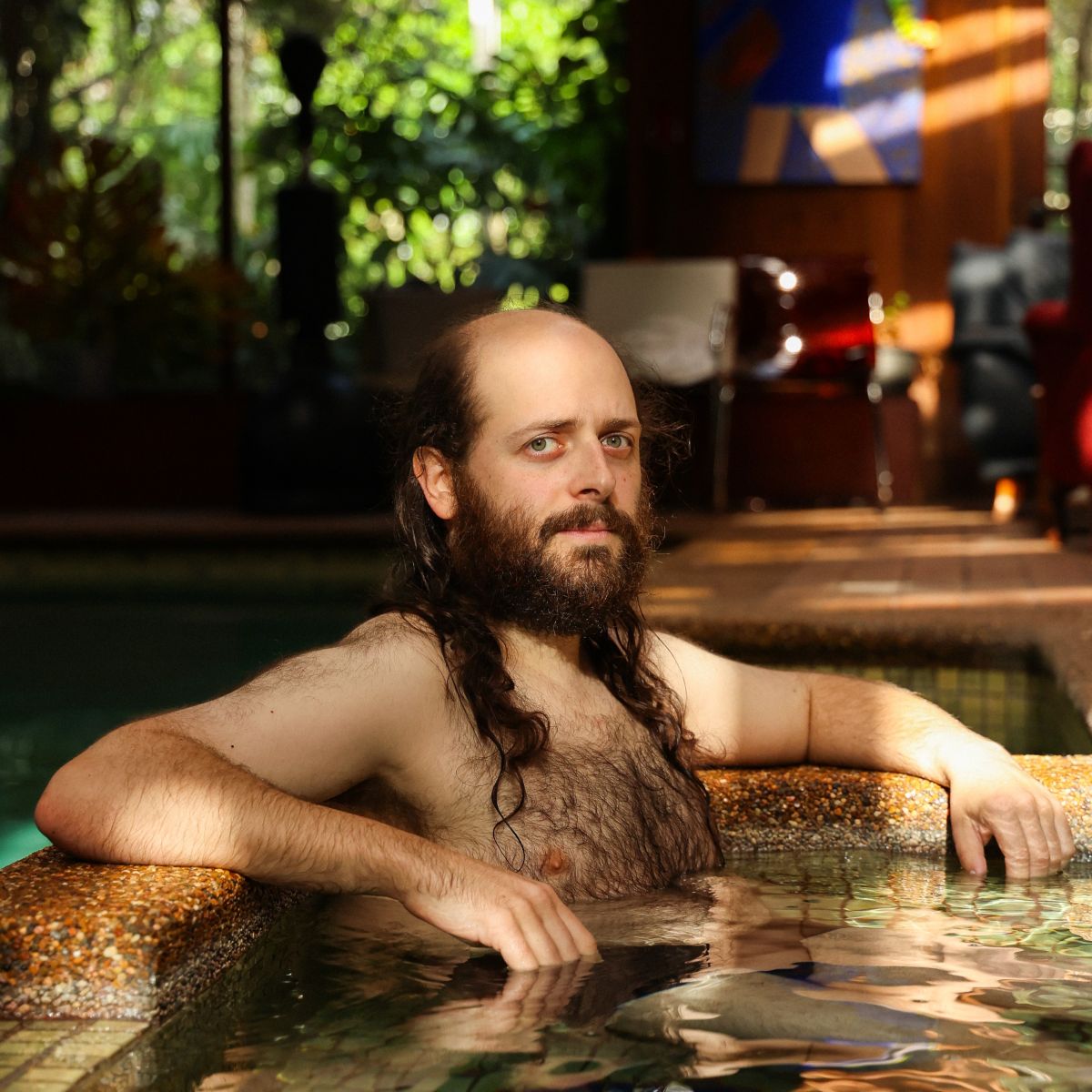
Adelaide Fringe has an exploratory purpose that showcases ‘stuff that’s out of the ordinary’, suggests Ben Volchok. Volchok’s improvised clown show, The Ceremony, came to Adelaide in 2024 and 2025, and he’ll premiere a more personal scripted theatre show this year, One Must Imagine The Boiling Frog Happy, set entirely in a hot tub.
Clowning’s popularity has grown steadily: Volchok traces a line from Slava’s Snowshow, which detached the artform from its circus associations in the early 1990s to become a theatrical spectacle, to the likes of Natalie Palamides landing a Netflix special and Julia Masli becoming the toast of New York.
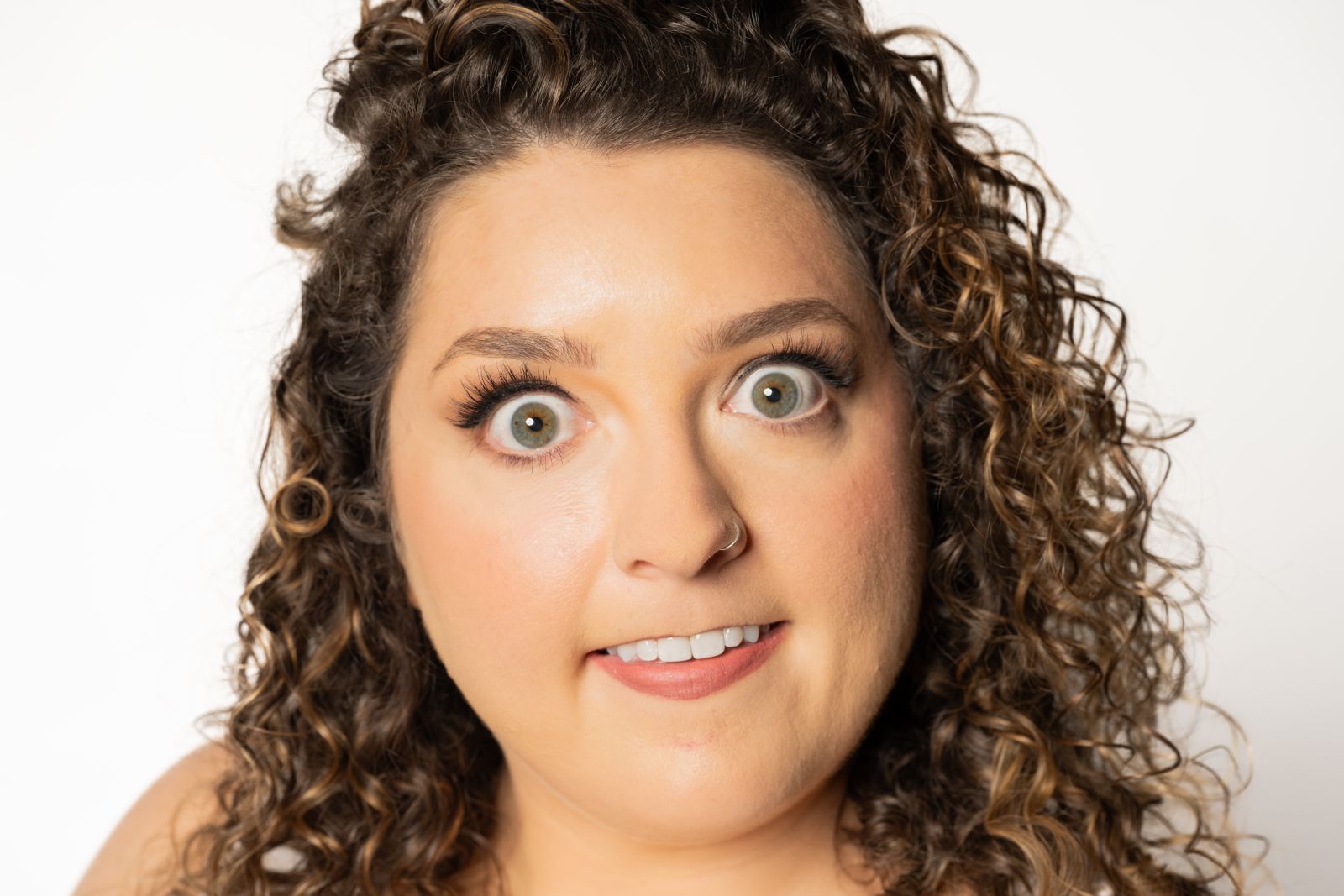
Volchok argues that clowning’s emphasis on inviting audiences to engage with the performer means, ‘there’s been huge uptake, possibly linked to a desire for human connection after the pandemic. Or maybe we’re just sick of the same old kind of stuff and clowning is inherently surprising, with its ethos based on being in the moment.’
Ozzy Algar enjoyed a cult hit at the Edinburgh Fringe with Speed Queen, in which they portray Pet, the sage but unsettling otherworldly custodian of the last laundrette on the Isle Of Wight. Algar is bringing this eccentric tale of island folk to Adelaide and, while the show could be labelled niche, Algar points out that witnessing the defiantly odd but abundantly empathetic Julia Masli’s success ‘has been so exciting. It shows that clowning can really travel’.
Speed Queen draws on Algar’s love of cabaret, their roots in character comedy and an eclectic training, including time on the unforgiving stand-up circuit, workshops with fellow British clowns Luke Rollason and Christian Brighty (since graduated to considerable mainstream recognition), as well as the almost-obligatory stint studying at the famous École Philippe Gaulier in France.
‘As clowning becomes more and more popular, it’s going to have more and more voices making it better and more varied.’ Algar argues. ‘Now that Gaulier has retired, others are going to bring their slant to teaching it and carrying on the tradition. There’s going to be more mixing with other styles, especially character comedy.’
In Normal, McGlensey delegates the direction of her character Norm-Elle to the audience through a choose your own adventure-style videogame platform, designed by partner Douglas Wilson, with clowning’s traditions enabled by modern technology and an unfettered sense of play. ‘I’m at my best when I don’t know what’s going to happen next,’ she explains, ‘when I’m unbalanced and off-kilter but totally present, waiting to find out where the show’s going. Just like the audience.’
Discovering her clown 13 years into a career that was shaped by sketch and improv, McGlensey was encouraged to develop a performance style that didn’t rely on speaking, when previously ‘words were my shield and favourite weapon’. She quickly arrived at the signature, bosomy routine that became Motorboat and has sustained this satirical blend of naivety and sexuality in her new show.
‘I had to look around and question what else I could use to make my art and the answer was my body,’ she explains. Encouraged to take up space, ‘no longer hiding behind witticisms, realising that the meatsack I walk around in could be an asset rather than a hindrance, was a big deal.’
Volchok experienced a similar epiphany. ‘I’ve always been quite verbal, word-focused and written,’ he reflects. ‘But there was something about clowning and its raw nature that really appealed. It was a way for me to get out of my mind and unlock something extra. It was freeing.’
Not that clown training is for every performer. At least, not the bits of being browbeaten and broken down by an elderly Frenchman, repeatedly told you’re shit, until something truthful emerges.
‘I’m in no way an evangelist for Philippe Gaulier,’ McGlensey says carefully. ‘That kind of direct, honest feedback could be damaging if you don’t want to hear it. But I so badly wanted to be told, without any kind of couching, what I did well, what I could do better and how to become myself more on stage. I craved it. The process necessarily forces a lot of introspection. But it had a profound, revelatory effect upon me.’
Algar, likewise, is reticent about dwelling on the brutalising aspects of clown teaching or even trying to define the artform’s more nebulous aspects. But they acknowledge the deeply personal scrabbling in darkness it provoked.
‘I’m loathe to keep the myths alive because there are plenty of people who’ve done it and come out of the other side great,’ they say. ‘But I was only ever funny when I cried at Gaulier; that was the only time I made people laugh. It’s become clear that melancholy is what makes me good at what I do. Not that I set out to make Speed Queen quite so emotional. It’s just that it felt good for me to feel a range of emotions that were kind of horrible… but also ethereal, hard to pin down.’
Mel McGlensey Is Normal, Gluttony Rymill Park, 20 February–1 March, 8pm; One Must Imagine The Boiling Frog Happy, Arthur Arthouse, 20 February–8 March, 7.15pm;Ozzy Algar: Speed Queen, 10–22 March, The Courtyard Of Curiosities (Migration Museum), 7.50pm.