Mere Mortals dance review: Majestic team
This narrative ballet is firmly on the humans’ side as the battle to contain AI gets real
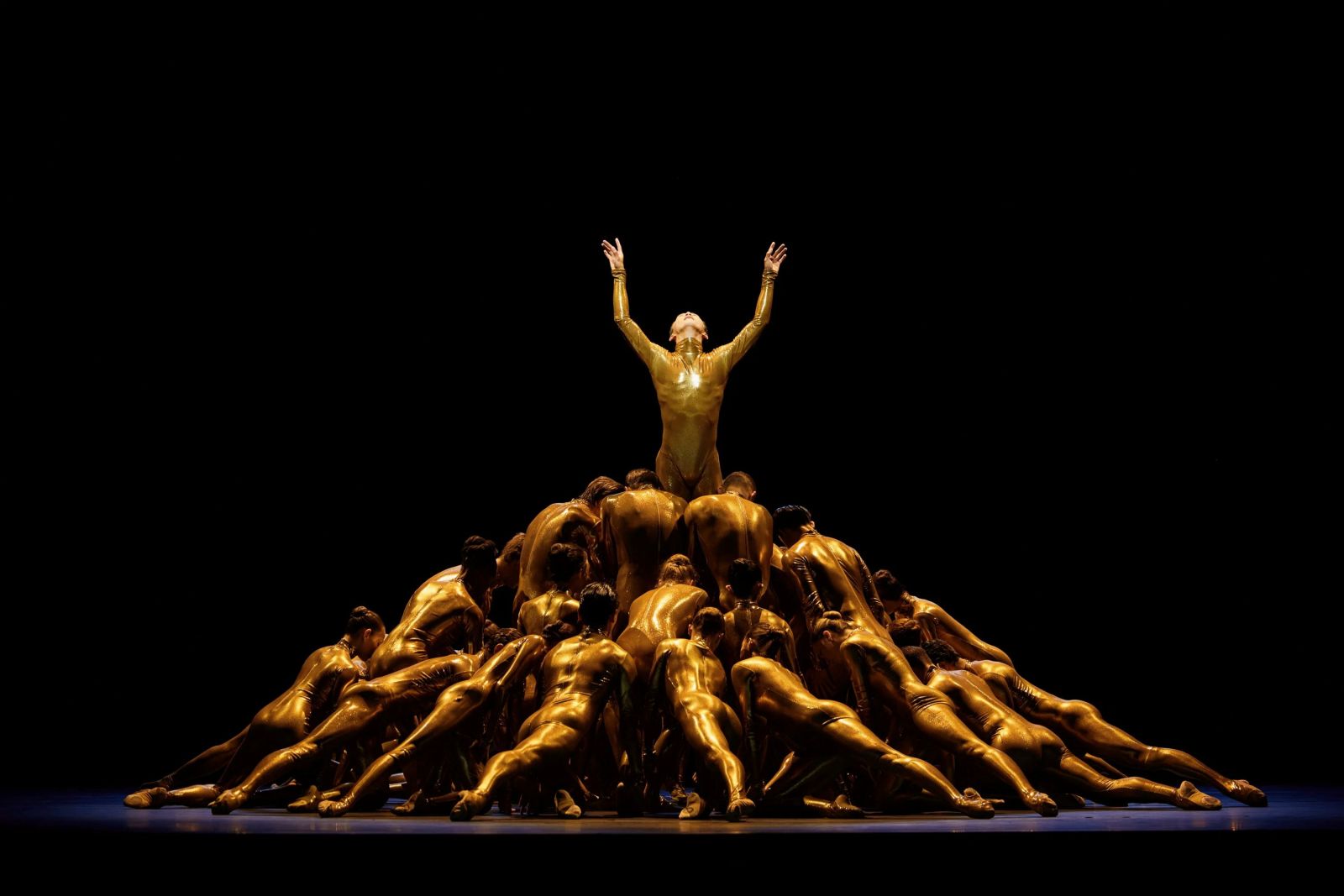
How do you combat the force of AI’s pervasive march into the creative arts? Well, one way is to put over 80 humans working at the top of their disciplines onstage and in an orchestra pit, and telling an ancient story that humans created and passed down for 2700 years. San Francisco Ballet has harnessed a majestic flesh and blood team to enact a very contemporary take on the cautionary tale of Pandora’s box, where curiosity leads to the irreparable unleashing of plagues and ills on the world. And yet the production does not shy away from technology, using digital star-strewn, lava bubbling projections as its backdrop, and electric effects in Floating Points’ blistering, thunderous score. What if we were to use but keep control of these forces, it seems to be suggesting?
Mere Mortals is a classic narrative ballet, with the slightness of the tale giving space for choreographer Aszure Barton to deploy a dazzling array of movement and character work. One moment the corps de ballet are clustering in a breathing, globular mass; the next Prometheus (Joseph Walsh) is parading like a vaudevillian villain, swinging his arms and crowd-surfing. It’s sinister, arresting and constantly surprising. At one point the corps slide their hands from side to side as if on tracks, half chorus line, half mechanical dolls. Pandora, danced by Jennifer Stahl, is elastic in her agility, contorting her limbs into curious shapes; later she is passionately, devastatingly human in a sensual duet with Harrison James’ Epimetheus.
On the downside, it’s something of a faux pas on the International Festival’s part that in a piece about the dangers of AI complacency none of the performers are named in the printed programme (they are there on the website). It would have been nice to see credited, for instance, the astonishing playing of RSNO guest leader Cordula Merks, whose sylph-like violin solo towards the end of the piece, starts with silky innocence and crescendoes into percussive menace. The levels of discipline, creativity, experience and dedication brought together here show us not only why Greek myths still resonate but why human art matters deeply.
Reviewed at Edinburgh Playhouse; picture: Andrew Perry.