Moss & Freud film review: Painting by numbers
A promising reappraisal of the relationship between Lucian Freud and Kate Moss turns into a cliched, oddly old-fashioned portrait of artist and muse
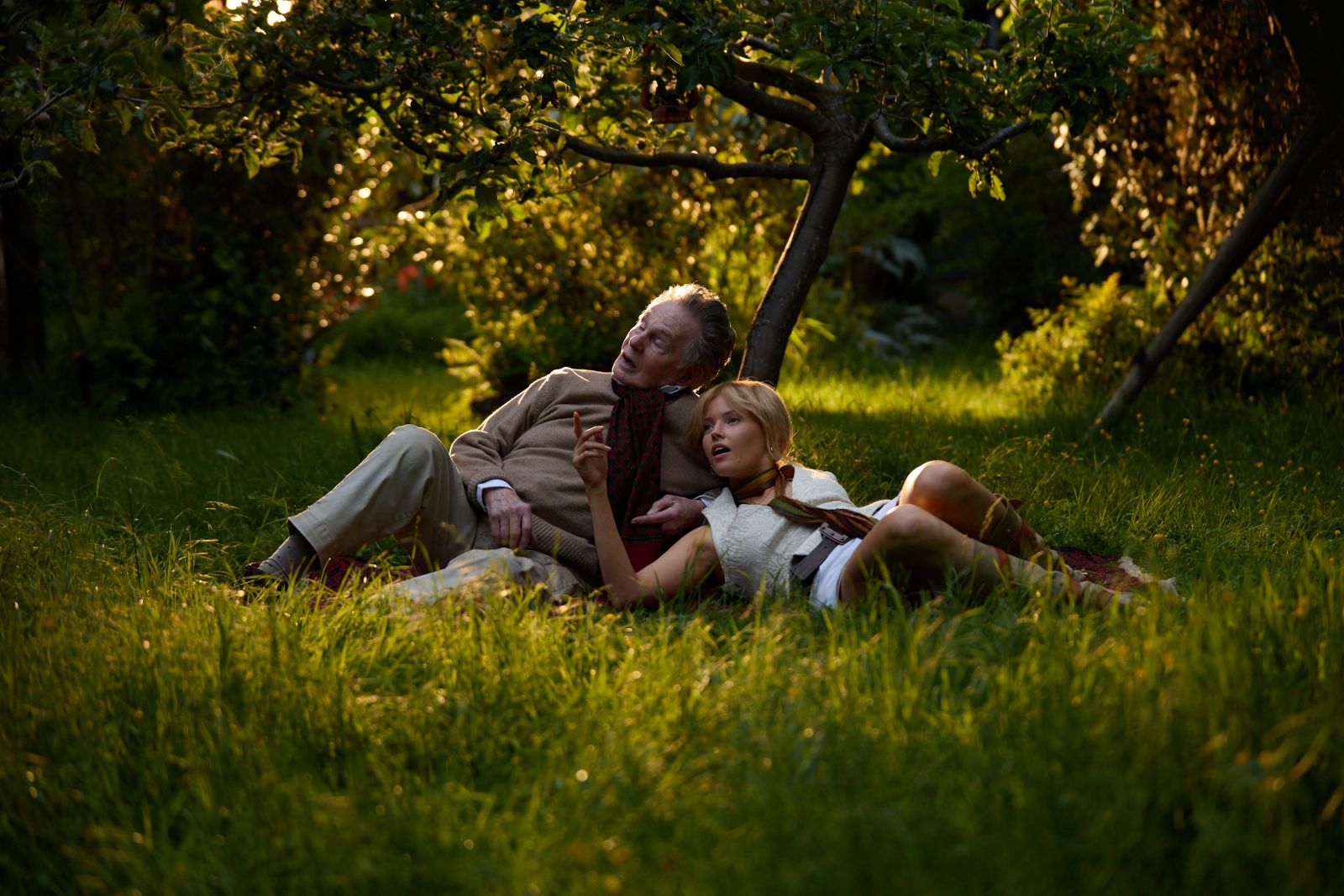
Post #MeToo, perceptions have shifted around the relationships between male artists and female muses, opening up the possibility to re-evaluate iconic collaborations. So it’s easy to see what drew writer/director James Lucas (who won an Oscar for short film The Phone Call) to scrutinise the period during which one of the 20th century’s most famous artists, Lucian Freud, painted one of the 20th century’s most famous models, Kate Moss. The Croydon supermodel is executive producer on the film, which would seem to stamp it with an unvarnished credibility. Very little, however, rings true in this screenplay-by-numbers that serves up a surprisingly retrograde portrayal of a classic ingénue model and her wise old educator.
From the set-up meet-cute in the National Gallery where Freud opines on the nature of art before a stumbly, wide-eyed Moss, to the multitude of indie-soundtracked scenes heavy handedly professing their storytelling significance, every beat, twist and theme in the film is spelled out. Ellie Bamber brings a lively energy to Moss, although she isn’t given huge amounts to work with, alternating between being rapt at one man or another’s genius, shrieking drunk or lashing out. Derek Jacobi, meanwhile, plays a Freud-flavoured approximation of Derek Jacobi: elegant, scowling, capricious and knowledgeable. Iconic moments from Moss’ life (such as her famous Beautiful And Damned 30th birthday bash) lend nostalgic Y2K vibes. But the film contains none of the strange, raw human touches that make both Moss and Freud’s work stand out.
Moss & Freud is in cinemas from Friday 29 May.