Mouthpiece: One Piece and the unlikely rise of anime
As One Piece continues its unlikely campaign of global domination via Netflix, our columnist Kevin Fullerton considers anime’s earlier growing pains and explores how the form’s regeneration still battles against antiquated attitudes
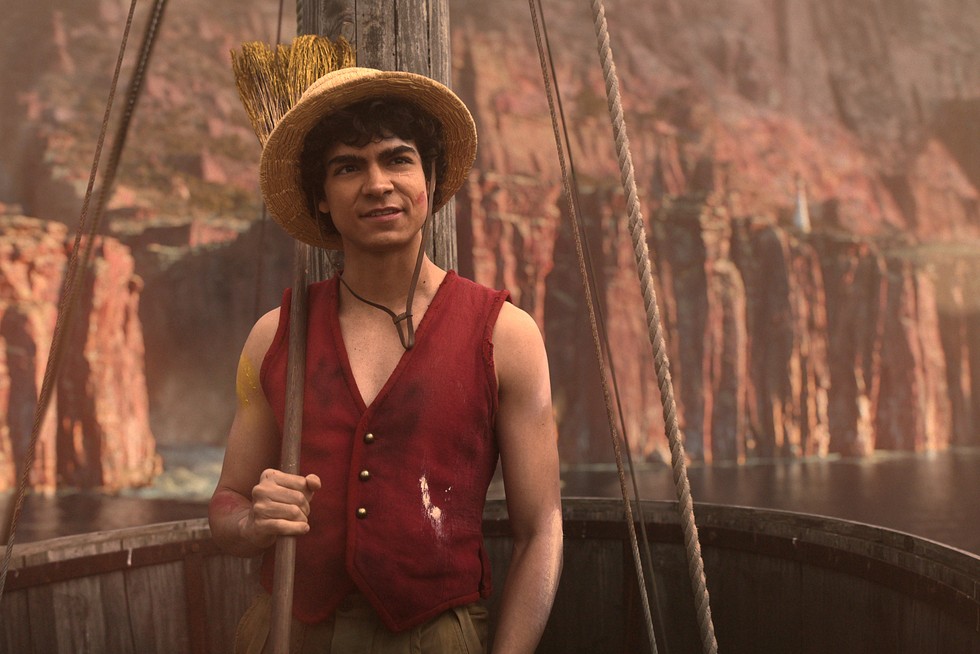
If you’re over the age of 25, understanding the significance of One Piece’s live action adaptation, which enters its second season this month, is like trying to fathom the supposed charisma of KSI. The buoyant anime about a gang of pirates has been an astonishing smash, pervading the world in ways that its creators couldn’t have imagined; like Guy Fawkes’ ever-smiling mask in V For Vendetta, the pirate flag in One Piece has even become an unlikely symbol of resistance at protest marches.
Having dipped my toes into anime’s waters over the past decade, the medium’s transcendence into the global mainstream seems implausible at best. When I was a teenager, admitting that you enjoyed Akira or Nausicaä was social suicide. It meant that you were partial to watching animated tentacles go up ladies’ bums, and there was a high likelihood you stank of Wotsits and were prone to grumbling in public parks. All that social stigma because you rented Spirited Away from Blockbuster? Not worth the hassle.
At exactly this time, my teenage consciousness was being flooded with Japanese culture. Metal Gear Solid merged high-stakes espionage with Ghost In The Shell-inspired manga madness. Final Fantasy used European steampunk aesthetics as a backdrop for beautifully coifed anime lads belting each other with giant swords. Americans were clamouring for Godzilla to splat them underfoot like a scaly dominatrix, and Tarantino was co-opting gore-tacular anime sequences for his Kill Bill duology. Yet Studio Ghibli, Neon Genesis Evangelion or Satoshi Kon still faced an uphill battle with western audiences who couldn’t imagine that anyone other than ten-year-olds would gawp at cartoons.
Meanwhile, blockbuster entertainment from the west was usually thuddingly ignorant in its portrayal of Japan. The Harajuku Girls, Gwen Stefani’s back-up dance quartet, was one of the more cringe-inducing examples, while almost every American sitcom contained a cheap punchline about byzantine Japanese toilets. But these missteps were the by-product of an age still lagging behind globalisation, where encountering another culture produced a bemused ‘what’s going on here?’ kind of fascination.
That same fascination exists today, endowed with a mite more knowledge and respect. Films such as Suzume, Your Name and The Boy And The Heron have done the medium proud, and the revenue generated by One Piece could easily feed a small nation. That’s not to say anime isn’t without its problems; many studios’ nauseating attitudes towards their female characters still play squarely towards the Japanese salaryman crowd and no one else. But jumping those chasms opens a world of complex, narratively rich stories (particularly Kon’s peerless Paprika, Tokyo Godfathers and Perfect Blue) with heart, soul and pinballing imaginations.
Picture: Netflix.