Natalie Grove on dementia: 'There are beautiful, sublime moments. There is joy'
Loss of memory is a universal experience, making it a fruitful area for theatre-makers. In preparing for their Fringe productions, a trio of creators have explored the ways in which people with dementia and their carers can stay productive and positive
.jpg)
‘My grandmother’s care home had a corridor that looked like a street in a mid-century Irish village. In some places, entire care homes look like streetscapes. I discovered a book by Oliver James about SPECAL method, which encourages carers to stay inside any happy memory that the person they’re with wants to explore, regardless of reality. So you keep saying yes; you don’t say hello or goodbye: it’s like a giant lifelong improv.’
It’s clear Dan Colley’s research on memory loss and dementia struck several chords with the writer and director. His show, Lost Lear, is about Joy, a woman with dementia who lives in a treasured memory of rehearsing for a production of King Lear. When her estranged son returns and is cast as Cordelia, he finds a way to connect with her, without losing himself along the way. Themes of reconciliation interweave with ideas of memory, attempting to answer one of art’s eternal questions: who are we? And, if our memories disappear, who really are we then?
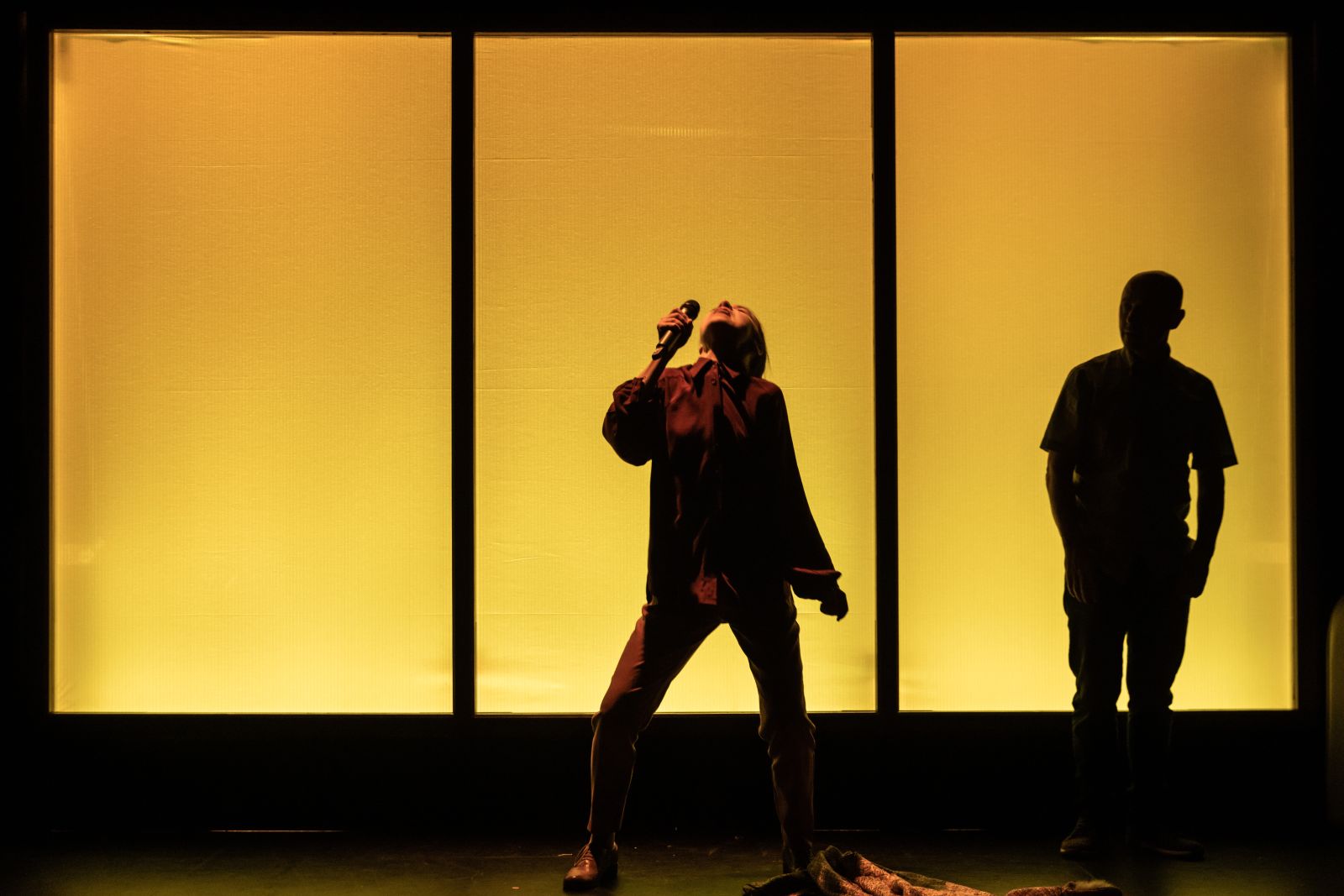
This parallel between theatrical world-building and memory is also explored in Theatre Re’s The Nature Of Forgetting. ‘Most of our shows start with a question; in this case it’s “what’s left when memory is gone,”’ explains director Guillaume Pigé. Their show uses a stage within the stage as a set to construct and deconstruct memories. ‘Every time you remember something, you reconstruct it,’ Pigé states. ‘The more you remember something, the more it moves away from the actual event. And we forget more than we remember. We have to, because imagine remembering every single thing? What a burden.’
Colley and Pigé both point to the research and community involvement behind their shows: Lost Lear held workshops for people with dementia (Dementia Arts will lead a post-show discussion on 27 July), while Pigé worked with leading neuroscientist Professor Kate Jeffery and collaborated with memory groups around the country. ‘We learned that memories do not disappear, they just become inaccessible, which means that people with memory loss are still the same,’ explains Pigé. ‘They are who they were; they just can’t access their memories in the same way.’
In contrast, Jello Brain takes a more personal approach. Natalie Grove’s one-person play focuses on her relationship with her mother who was diagnosed with early-onset Alzheimer’s when she was 55 and Grove 25. Becoming a carer in what’s supposed to be the most carefree decade was tough. ‘I feel it’s one of those illnesses where people don’t want to talk about it, because there’s no cure; even our closest friends weren’t as supportive as I needed them to be, because there’s no rallying round to get the person better,’ says Grove.
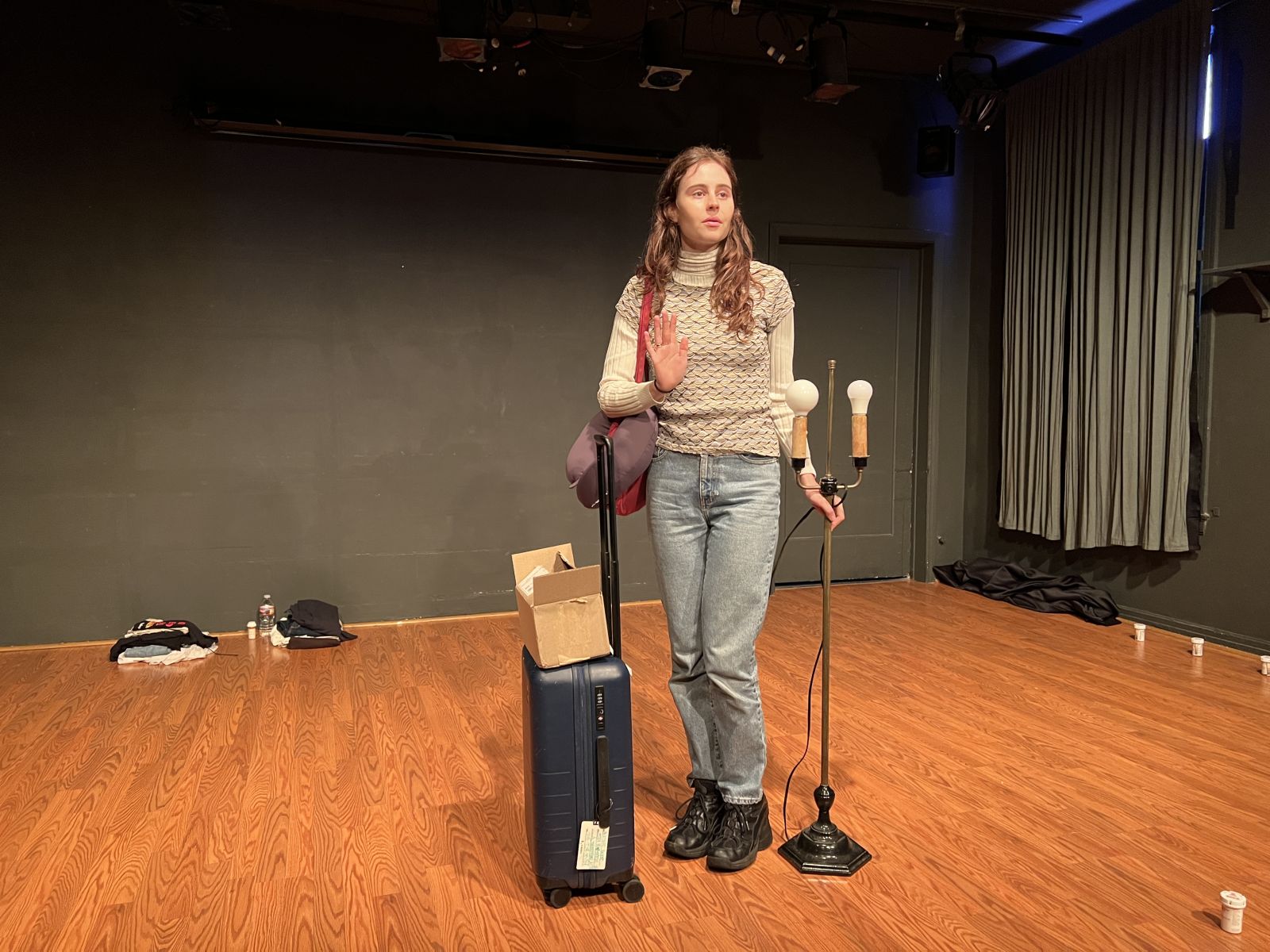
Yet their story is uplifting. ‘There’s a whole spectrum of emotion and colour. There are beautiful, sublime moments. There is joy.’ There’s humour too, particularly around Grove’s quest to find someone to take care of her. ‘I saw all these men in the medical community and had all these ridiculous fantasies, like when my neurologist started talking about how orgasms are good for brain health…’ Her show also highlights the support her mother has found in her memory-care home. ‘They make it so much fun, they’re always doing ridiculous activities and handing out ice cream. The people just sing and dance; it’s like its own microcosm. Ego is completely stripped away.’
Ultimately, these dramas all aim to teach us something about being human. ‘People think dementia means your life is over,’ Grove says. ‘But these people are really living. I hope my show says that you can still send and receive love and connection, even if it’s not in the way that other people do. Your life still has value.’
Lost Lear, Traverse Theatre, 27 July, 2–24 August, times vary; The Nature Of Forgetting, Pleasance Courtyard, 9–23 August, 1.15pm; Jello Brain, Greenside George Street, 1–23 August, times vary; main picture: Johan Persson.