Neil Barker on the challenges of working in hospitality: 'You’re on stage the whole time'
The wellbeing of people working in hospitality can be as invisible as the commis chef in a fine restaurant or the cellarman in a trendy bar. But, as Donald Reid finds out, some folk are taking notice

In the quasi-theatrical world of hospitality, sleight of hand is stock-in-trade. It’s in the culinary wizardry of a chef’s signature dish, the alchemy of a clever cocktail, the effortlessness of top-notch service, the going home leaving someone else to wash the dishes and sweep the floor. As customers, we willingly suspend our disbelief, pay for the privilege and generally consider ourselves satisfied. It’s an age-old formula.
Yet if all the hospitality world is a stage, then are all its men and women merely players? Or, possibly, real people living real lives? To put it another way: if hospitality is about caring, who cares for the carers? This is, after all, an industry whose best-known contribution to workplace wellbeing is ‘if you can’t stand the heat, get out of the kitchen’.
Gordon McIntyre places that phrase at the heart of his Scottish-based charity Hospitality Health’s origin story. ‘As a chef, one thing that always troubled me was that atmosphere in the kitchen. And when I moved front of house, I realised it wasn’t just a kitchen thing; it’s across the whole of the industry, from housekeeping to bar work. The industry still too often treats wellbeing as a soft perk.’
‘Anxiety and stress are big issues, but who can you turn to?’ he adds. ‘Our industry doesn’t often look outside the hospitality family when they need that support. We felt we could perhaps signpost the support to help get it to the people that need it.’
Mental health remains something of a taboo subject, too often medicated or patched over by drink, drugs, bullying and inappropriate behaviour. That Hospitality Health and other similar Scottish and UK charities even exist is testament both to the recognition of a need, and the increasing availability of emotional and practical support.
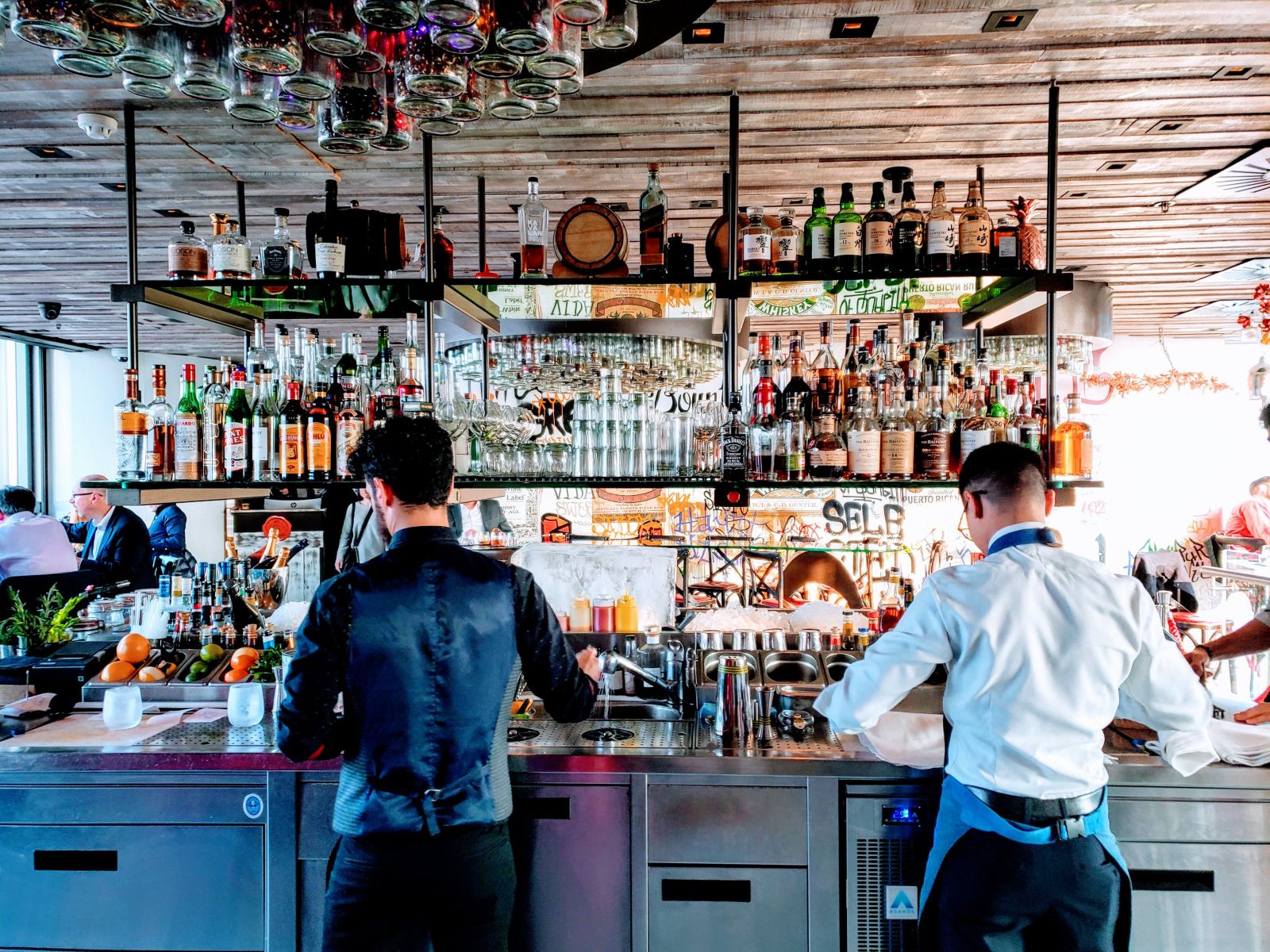
Caring for the carers reaches customers too. McIntyre is a fan of inspirational American restaurateur Danny Meyer who upends the conventional thinking of ‘the customer is number one’. In order, Meyer’s priorities are: employees, guests, community, suppliers then investors, believing that happy staff actually want to look after guests while happy guests look after the bottom line.
Tellingly, this isn’t just a contemporary manifestation of shifting attitudes to wellbeing. UK charity The Drinks Trust originated in London in 1886; even older is the Scottish Wine And Spirit Merchants’ Benevolent Institution, founded in Glasgow in 1864, now known as The Ben. Both offer grants to hospitality employees to address emergency situations and hardship, along with mental health support or awards to support training.
Neil Barker is the current trustee chair for The Drinks Trust. He observes that the positives and the negatives of working in hospitality are often not far apart. ‘It’s a great industry for giving people their first chance of a job and giving them a sense of structure. It gives them formal and informal training and you learn a lot,’ says Barker. ‘Once you’ve had a job, you’re more likely to get a job. But it can be a tough place to work. The hours are antisocial. Keeping a private life and a social life is very difficult. Dealing with the public can be a tricky thing. You’re on stage the whole time.’
Barker is also MD of the UK & Ireland division of drinks company William Grant & Sons. He’s well aware that other issues demand the attention of managers and bosses, including regulation, taxation and rising costs, which add to the pressure on everyone.
‘Venues are under strain like never before,’ he explains. ‘And this is a sector where people are employed on a much more casual basis than they are elsewhere. We’re seeing way more cases where people simply can’t pay rent, way more cases where people are displaced and find it difficult to get a job; more cases of domestic abuse as the pressure goes up. And frankly, we’re seeing more cases of suicide. The Trust had 7500 beneficiaries last year and we could have helped a lot more people, which is probably the hardest thing to say.’