Nouvelle Vague film review: A joyous love letter
One of Europe’s most abundantly rich cinematic periods is dissected with a light but thrilling touch
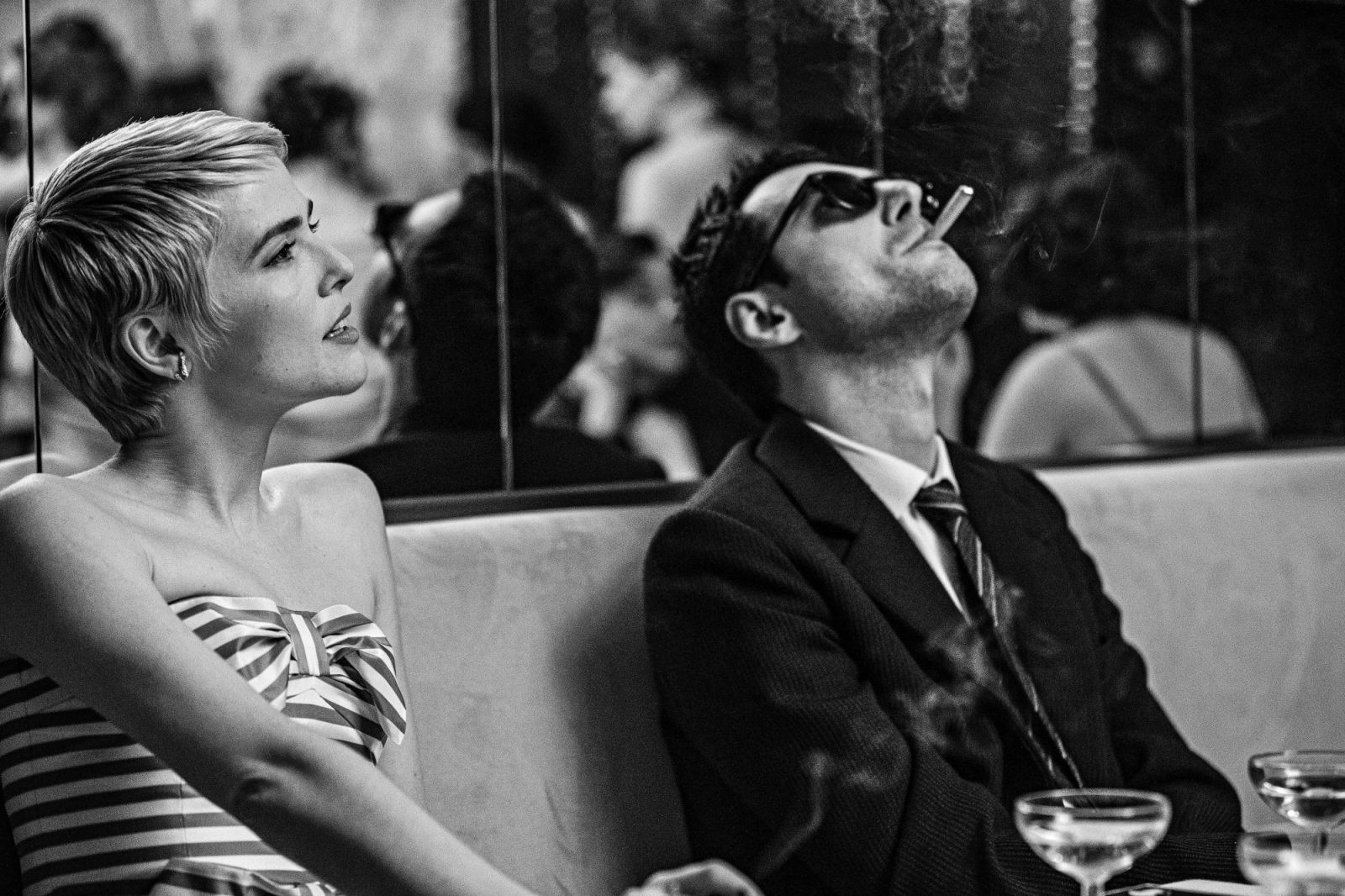
As prolific as he is unpredictable, director Richard Linklater delivers his third film in two years. It follows hot on the heels of Blue Moon, a garrulous, single location biopic of tragic American lyricist Lorenz Hart, starring frequent collaborator Ethan Hawke in an Oscar-nominated turn. Nouvelle Vague, by contrast, is a distinctly European, A-lister free affair, taking a perky, playful look at the French New Wave.
Shot in black-and-white using the Academy ratio, Nouvelle Vague documents the making of Jean-Luc Godard’s iconic À Bout De Souffle (Breathless), the film that threw the cinematic rulebook out the window in 1960, and it introduces us to Godard’s fellow Cahiers Du Cinéma alumni. With sunglasses permanently affixed, Guillaume Marbeck plays the director as a cocky, laidback rebel who exasperates his producer and the film’s American star, Jean Seberg (Zoey Deutch), though leading man Jean-Paul Belmondo (Aubry Dullin) takes Godard’s unconventional approach in his stride.
With the likes of François Truffaut, Claude Chabrol and Suzanne Schiffman sitting on the sidelines, the film gives a fantastic sense of the creatively rich, buoyantly experimental environment the gang were operating in, with established auteurs like Roberto Rossellini and Jean Cocteau popping up to offer support and advice. Though its view is unashamedly rose-tinted, Nouvelle Vague boasts a lovely lightness, a sense of the sheer thrill of doing things your own way, without fear for the consequences. Emulating the look and feel of the classic in question, this is a joyous love letter to one of the most invigorating artistic movements of all.
Nouvelle Vague is in cinemas from Friday 30 January.