Paul Dale: 'Sci-fi, particularly in its televisual long form, is many things to many people'
From Star Trek to Severance and Battlestar Galactica to Black Mirror, TV has long been fascinated with science fiction. Paul Dale explores the small screen’s obsession with fantasy, dystopia and aliens
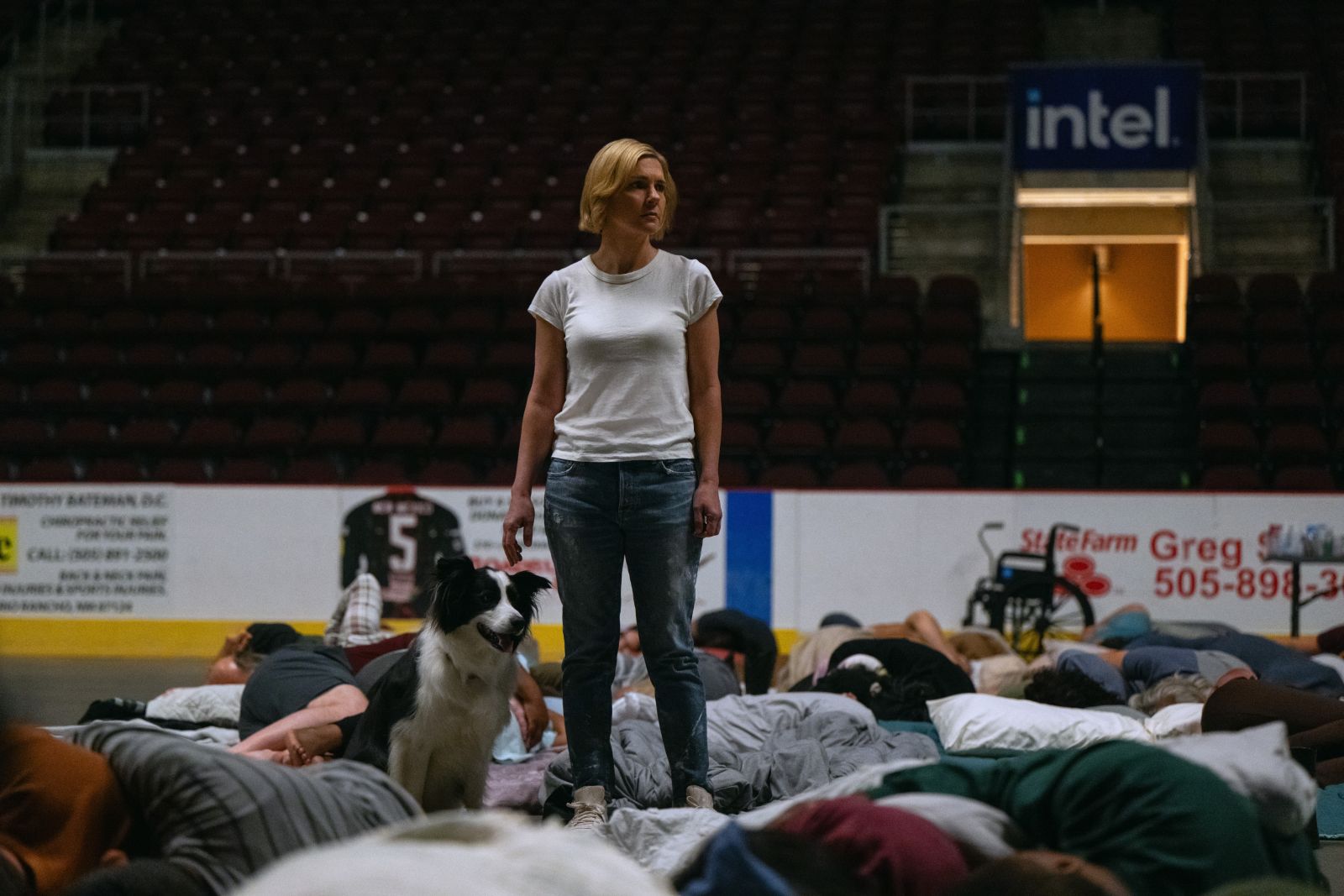
A comic book fan site recently declared Apple TV as the ‘unofficial hub of sci-fi TV’. Essentially, a point well made. The article listed its new crop of ‘high concept, blockbuster-sized sci-fi series, like Severance, Dark Matter, Pluribus and Monarch: Legacy Of Monsters.’ So far so good. But then it declared the leaden-paced, over-lit bore of Silo as its genre ambassador. Oh dear.
The thing is that sci-fi, particularly in its televisual long form, is many things to many people. Look across all the channels and streaming platforms and the mutations within this genre are massive and deeply peculiar. Whether it’s the 80s supernatural nostalgia of Stranger Things, the satirical dystopian menace of Black Mirror or the brutal deconstruction of superhero narratives in The Boys, this does appear to be the ‘postmodern’ golden age of TV sci-fi and fantasy. The question is how did we get from cheap sets to cultural dominance?
Inspired by what was going on in literature and cinema, 1960s sci-fi TV was heralded by Doctor Who in the UK and Star Trek in the US. Time travel, adventure and political allegory bewitched young boomers and burgeoning peaceniks. A decade later, themes of human domination over the universe and the space race resulted in Space 1999 and Battlestar Galactica.
As special effects improved and the commercial potential of franchises came into view post-Star Wars, Star Trek variants started spinning off for new generations while the alien invasion conspiracy was crystallised with V.
By the 90s and noughties, a period that some would argue is the true golden age of TV sci-fi, anything went: complex variations of cold war science fiction thrillers (The X-Files), military longform storytelling (Stargate SG-1), reboots of old rust buckets (Doctor Who, Battlestar Galactica) and even absurdist survivalist dramas (Lost). By the 2010s the landscape was beginning to look increasingly familiar to contemporary viewers. Streaming channels had begun to reign supreme, greatly helped by shows as diverse as Stranger Things, Black Mirror, The Expanse and German masterpiece Dark.
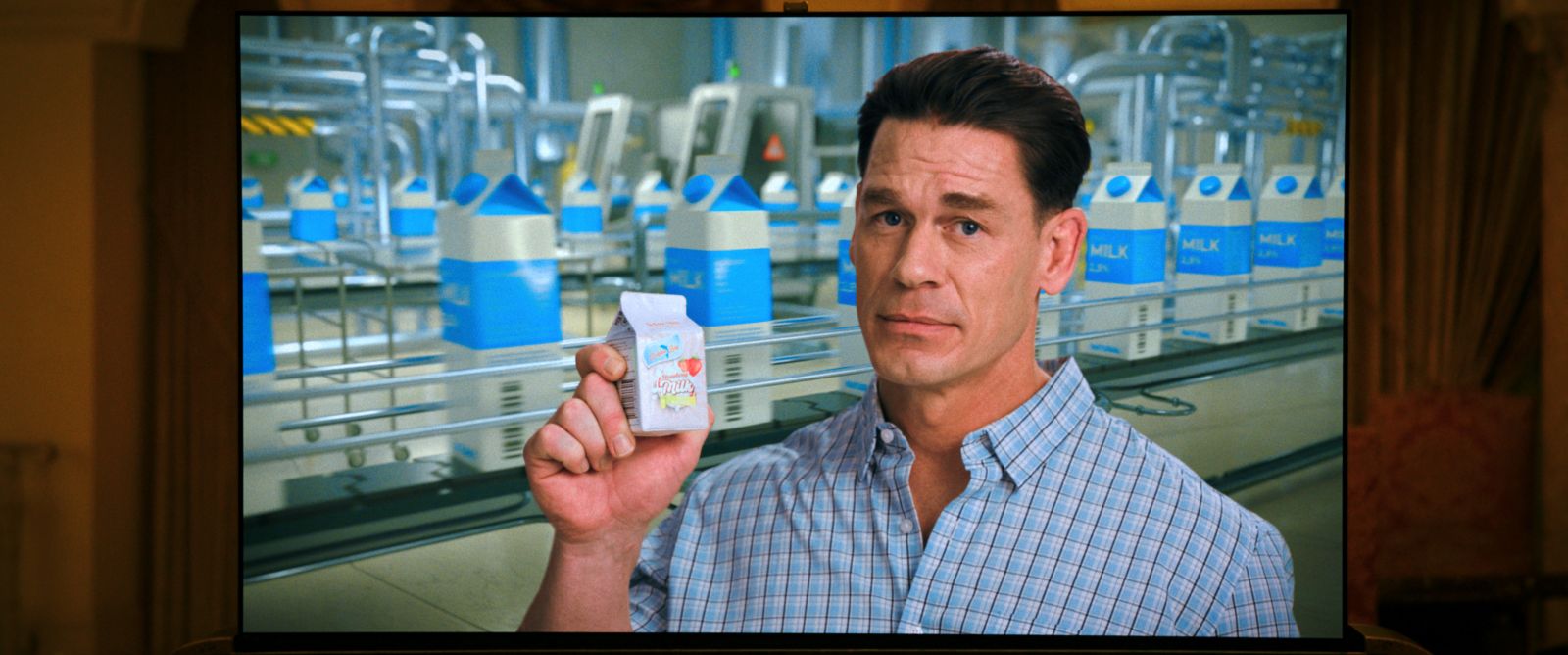
And here we are, post-pandemic and pre-Trumpian wipeout, in that place where risk, science, madness and the mundane edge ever closer to tragedy; and where no genre is safe from being transformed into a sci-fi cocktail. So, the western re-emerges in the form of The Mandalorian or gamer favourite Fallout; the end-of-days viral/zombie flick is conceptually bumped up into The Last Of Us or Pluribus (pictured).
The thing about sci-fi is that it is so difficult to get right. William Gibson adaptation The Peripheral proved so divisive it was canned after one series but has kept a strong cult following. Star Wars spin-off Andor maintains The Force while its counterparts flail. But uncover the secret (of life, the universe and everything), and TV showrunners can tap into that essence discussed by genre overlord Isaac Asimov (author of the novel series upon which Foundation is based) who noted: ‘The core of science fiction has become crucial to our salvation, if we are to be saved at all.’