Rachel Pronger on Dundead: 'Cannibalism is a really juicy horror theme'
This year’s Dundead horror celebration serves a menu that would make Hannibal Lecter salivate. Kevin Fullerton chats to feminist archive collective Invisible Women about programming a gory selection of films that explore carnal appetites
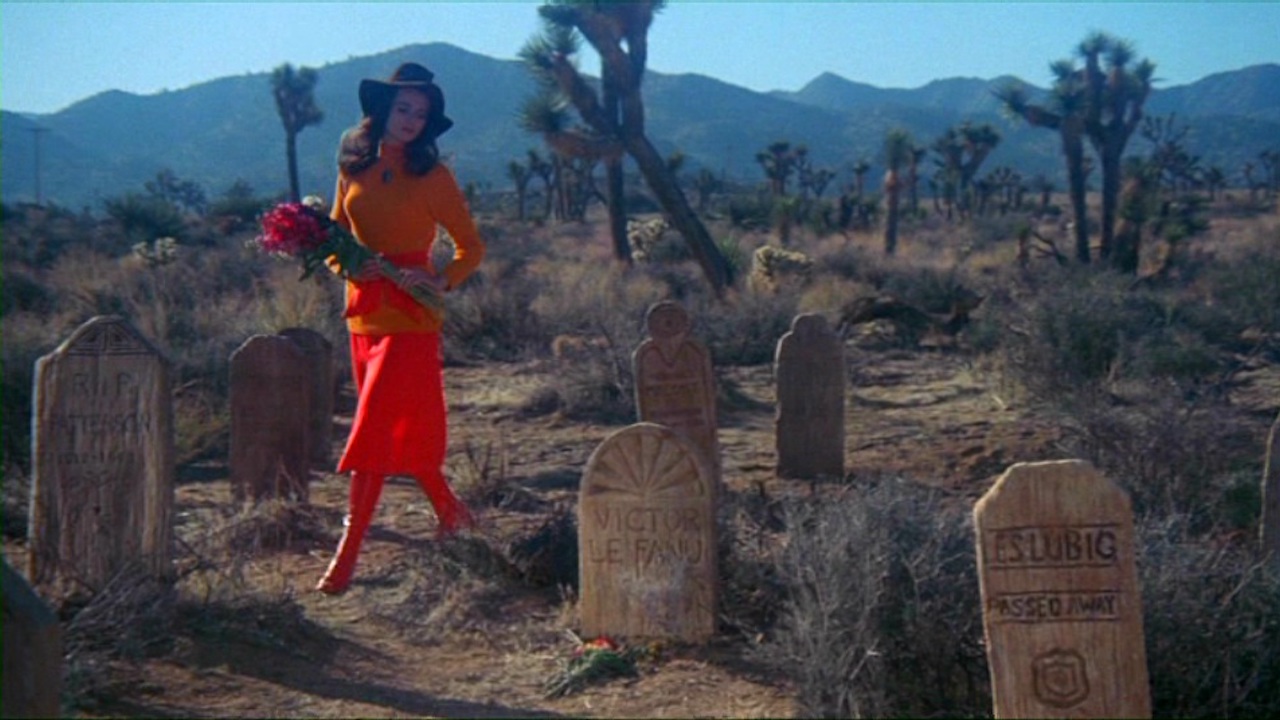
‘Horror is not something that we’ve really done,’ explains Rachel Pronger, one third of Invisible Women, who I meet alongside fellow member of the feminist archive collective, Camilla Baier. It was only when they were approached by Michael Coull, programmer for DCA’s long-running horror film festival Dundead, that Pronger, Baier and (completing the trio) Lauren Clarke noticed a connection between eating flesh and a host of female anxieties. The result is She’s A Maneater! Cannibalism, Consumption And Carnal Appetites, a strand at this year’s Dundead which focuses on women who favour a staple diet of bodily remains and human blood.
‘As soon as you start looking at feminist or women-centred horror, you get a lot of dynamics around sexuality, consumption, food and money,’ Pronger explains. ‘The ultimate taboo is cannibalism. It’s a complete transgression of boundaries. But it’s also about bodies; and bodies are very policed. And it’s about women’s relationship to gore and viscera, which is generally built around reproduction and sexuality. But it’s also a really juicy horror theme.’
Invisible Women’s curation proves how delightful feasting on flesh can be, allowing cult curios to rub shoulders with arthouse favourites. In the line-up is Julia Ducournau’s crowd-pleasing Raw, which celebrates its tenth anniversary this year; Fruit Chan’s gruesome meditation on ageing in Dumplings; Claire Denis’ gore-filled provocation Trouble Every Day; and the lurid trash trio of Blood Diner, Santo Vs Frankenstein’s Daughter and The Velvet Vampire.
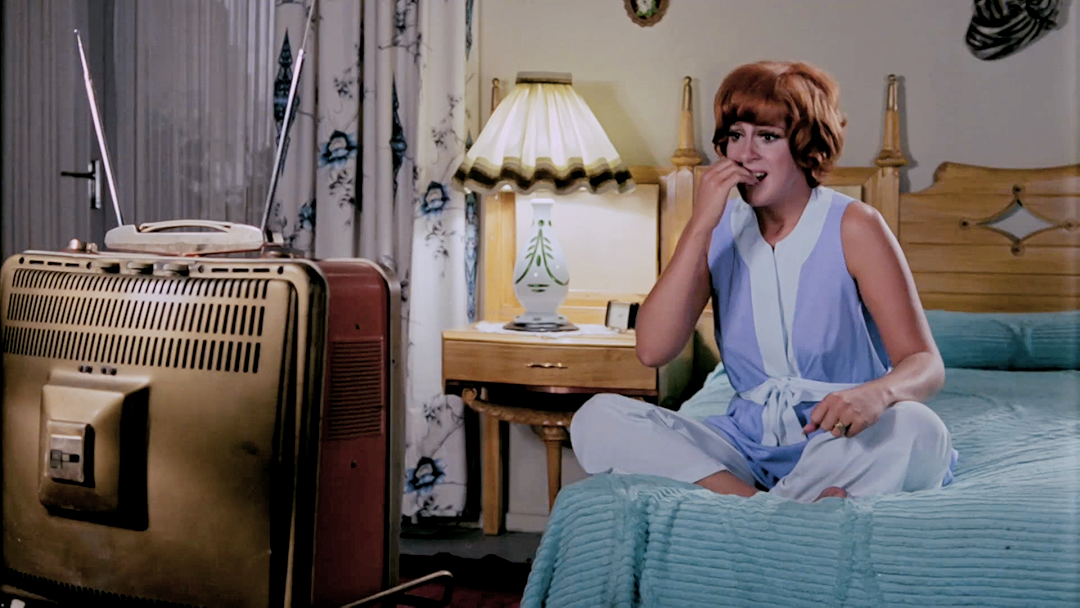
Like all Invisible Women’s programming, the enthusiasms of the collective are embedded in every selection, whether that’s Baier’s extensive knowledge of Mexican genre cinema or Pronger’s passion for horror with strong themes. ‘Horror is brilliant because it’s able to be provocative and confronting in a way that shocks and surprises people, but still be popular,’ insists Pronger. ‘But I also love trashy stuff; there’s something about filmmakers making stuff on low budgets and not being afraid of looking like idiots doing it.’ For Baier, the do-it-yourself vibe of earlier genre films is where horror finds its schlocky groove: ‘I love to see the glue on old horror masks. I find it fascinating, especially for these older films, to see what was considered scary at the time or what is a taboo within the context of a certain place.’
Directors as varied as Coralie Fargeat, Rose Glass, Nia DaCosta and Ana Lily Amirpour are the great innovators of modern horror, but an influx of interesting female directors shouldn’t dim the work of empowering female voices both in front of and behind the lens. ‘What we’ve seen by studying film history is that there are periods of excitement for a new wave of women filmmakers,’ explains Pronger. ‘But then you realise that there’s an article in Sight & Sound every ten years about how women filmmakers are finally breaking through, and then you look at the dire stats around awards representation or film school admissions. These things slide back very easily, but there have always been great women directing horror and genre films. We just have to be careful that we find it, spotlight it and keep celebrating it.’
Dundead, Dundee Contemporary Arts, Thursday 7–Sunday 10 May.