Sara Khaki on Cutting Through Rocks: 'We felt deeply connected to Sara’s situation'
One woman’s fight to make a difference in her conservative Iranian village comes under the spotlight in a stirring documentary by Mohammadreza Eyni and Sara Khaki. They talk to Katherine McLaughlin about the eight years it took to make the film and their sheer admiration for the woman at its centre
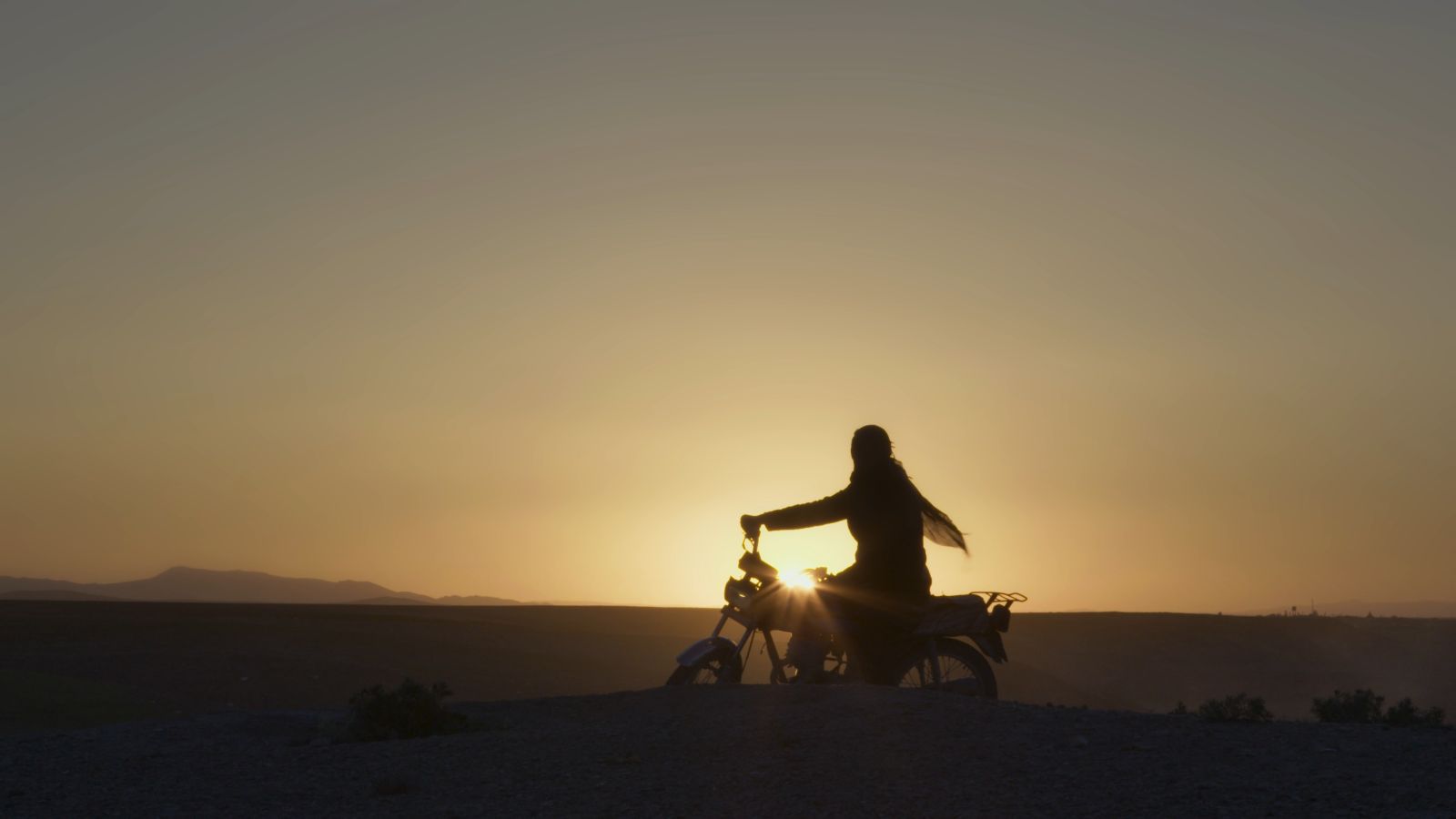
Sara Shahverdi is the first woman ever elected to be a councillor in her remote north-west Iranian village. In their documentary, which scooped the World Cinema Sundance Grand Jury Prize, filmmakers Mohammadreza Eyni and Sara Khaki introduce this determined and inspiring figure as she sets about trying to fix the gate to her property. This opening scene holds metaphorical value for the rest of Shahverdi’s unpredictable journey, battling many obstacles over the course of her four years in office which the husband-and-wife duo capture in verité style. They’ve crafted an intimate and vivid portrait of a rebellious, motorcycle-riding woman who is trying to enact change in her community.
The pair started shooting in May 2017 and spent nearly eight years filming and editing. ‘We had over 200 hours of footage that we wanted to edit. We wanted to make sure each scene represents something,’ insists Khaki. ‘We felt this scene of Sara fixing the gate is the essence of who she really is. She’s not giving up until she fixes something.’
‘In a community where it’s not acceptable for a woman to live alone, Sara is living alone and creating a territory for herself; it carries a lot of meaning for us visually,’ says Eyni. Khaki adds that this is reminiscent of A Room Of One’s Own, Virgina Woolf’s 1929 essay which laid out the importance of women’s intellectual and financial freedom, and is key to understanding exactly what Shahverdi (and in turn Khaki and Eyni) is expressing through action and art.
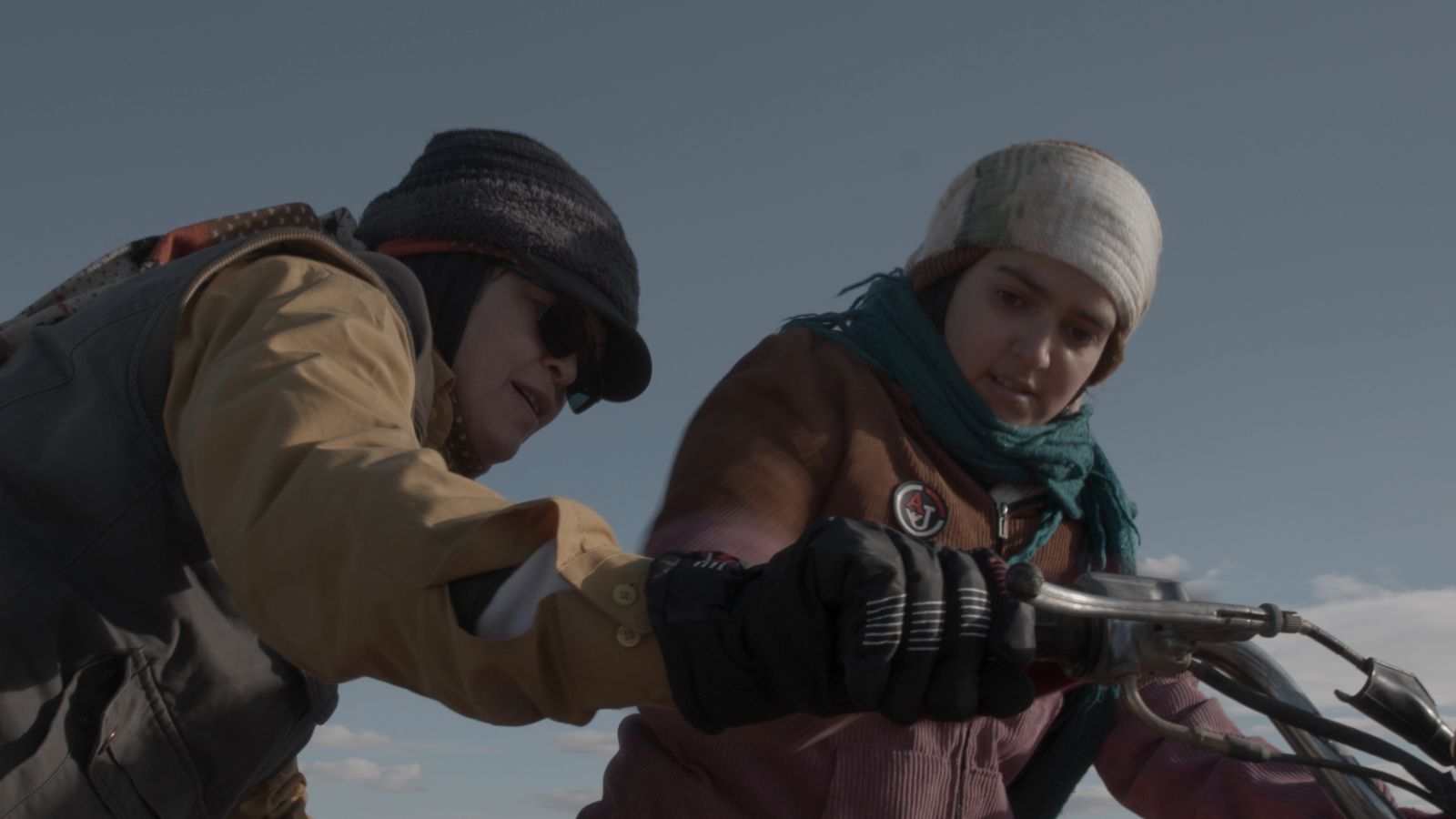
One of the canniest pieces of legislation Shahverdi puts into place is how she leverages the fuel pipelines to the village. It’s a piece of infrastructure that no one else has managed to make work before, but she does. The only way the villagers can ensure direct access is if the husbands sign over part of their property to their wives. Arguments ensue. In Shahverdi’s attempt to change the dynamic of her community, she faces backlash and misogyny.
‘After years of living in the United States, I realised that actually it is no different from Iran in the way women are being looked at; the way women are being dismissed in work settings and in politics, and in the way everything functions worldwide,’ Khaki says. The way women are treated when it comes to their education and being married off at a young age (the youngest we hear of is an 11-year-old with two kids) is also something Shahverdi approaches. She visits a girls’ school to encourage them to stay in education and even takes in a teenager, Fereshteh, who is going through a divorce to a man in his thirties. Khaki and Eyni were granted limited access to the divorce court, including a fascinating one-to-one between Fereshteh and a judge.
The fact that Shahverdi was elected is a hopeful sign of progress, even if that’s still very slow. ‘As independent filmmakers we are quite frequently stopped, so that was a reason why we felt deeply connected to Sara’s situation,’ explains Khaki. ‘We had long conversations about what life means in general with her. She thinks about life and its struggles as a mountain full of rocks. If you chip away every bit of that little rock every day, one day you will have a clear road. That stuck with us and we wanted to make sure we had that as the title. Cutting through rocks is impossible, but it could be possible at some point.’
Cutting Through Rocks, Cameo, 18 August, 9.30pm; Filmhouse, 19 August, 12.45pm; Vue, 19 August, 6.30pm & 20 August, 3.30pm.