Scottish Opera's Turandot review: A stunning work
In its centenary year, Puccini’s epic final opera Turandot gets a spectacular new co-production from Scottish Opera and Irish National Opera. Carol Main hails it as a breathtaking achievement
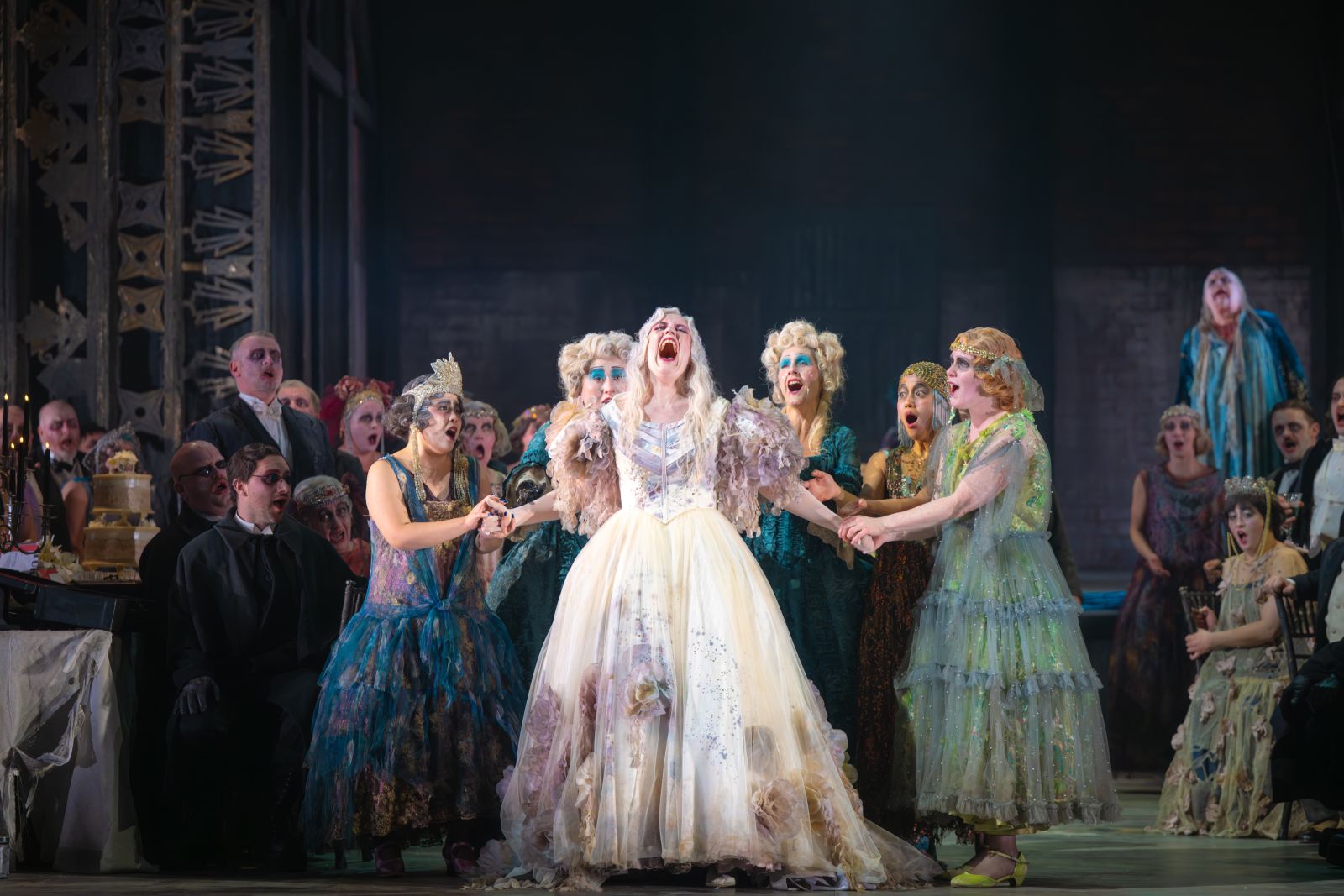
In the year in which Scottish Opera’s general director Alex Reedijk celebrates his 20th anniversary with the company, and music director Stuart Stratford clocks up ten years, all the stops have been pulled out to open the 2026/27 season. In a visually stunning blockbuster from director David McVicar, Puccini’s Turandot is seen and heard as never before. This is breathtaking opera in all its glory. Staging, design, a stellar cast, chorus, choreography, lighting and, as ever, the orchestra of Scottish Opera, are all on point throughout, with not one weak link.
Set in the sumptuous (silks, feathers, lots of peacock blue) yet decaying ancient palace of the Chinese emperor, but updated to the times of fascist Italy in which Puccini composed the opera, society is stuck in a trap of desperation. Not until Princess Turandot’s three riddles are answered will things change. But no one can solve their puzzle, leading to execution for those who are brave enough to try. Not even pleading for mercy on his knees in full nakedness before the icy Turandot (authoritative and resolute from the magnificently voiced Trine Møller) prevents the unfortunate Prince Of Persia from having his head chopped off when he gets the answers wrong.
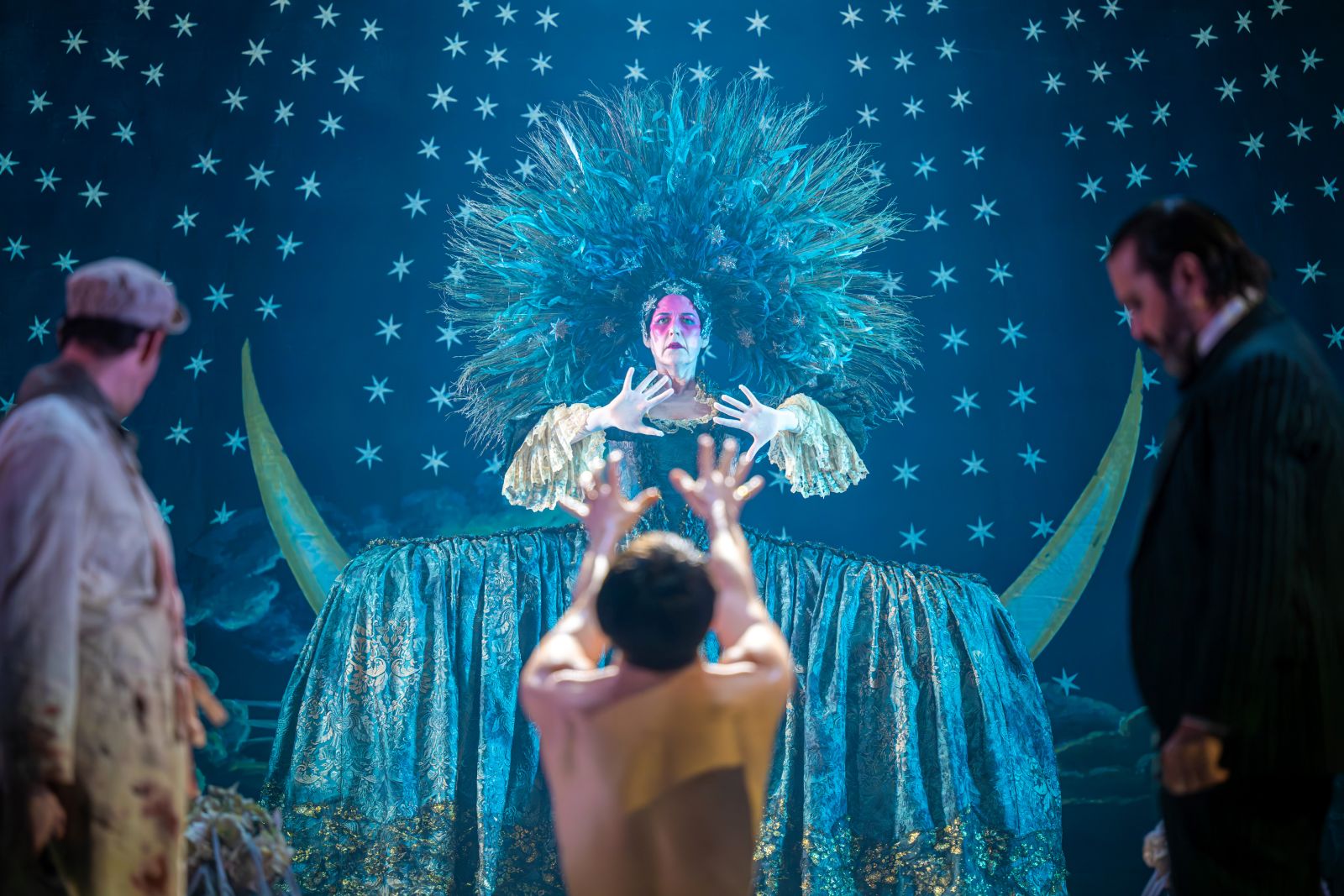
But then along comes the mysterious Calaf, with his blind father Timur (Insung Sim playing the solid voice of reason) and lovingly loyal Liu, deeply moving in a tender portrayal by Hye-Youn Lee. Think of any quiz show final and ramp up the pressure as, one by one, the unknown Calaf gets the answers right. Far removed from the football terraces that have made Puccini’s melody world famous, Victor Starsky’s ‘Nessun Dorma’ is heard with astonishing ease and fullness right across the range as Calaf challenges Turandot to come up with his name by dawn. If she doesn’t, he wins her heart. Musically, the score weaves its emotion in swathes of lush orchestral textures, with brass fanfares heralding action and off-stage voices ghostly in their effect.
Elements of Chinese music appear at key moments, apparently authentic tunes brought to Italy via a music box. Ping, Pang and Pong are a playful trio, a cabaret comedy act with bowler hats and walking sticks, well matched in a seamless vocal blend. In a non-comedic role for a change, Jamie MacDougall shows just what a serious actor he is as Emperor Altoum.
By producing a Turandot with the entire libretto and music as written by Franco Alfano, the composer selected to complete the work after Puccini died, there is a sense of wholeness. Rather than stopping at Liu’s death, this version allows the impact of Turandot finding love with Calaf to be keenly felt in a production that is as moving as it is theatrical.
Turandot, Theatre Royal, Glasgow, Wednesday 4, Saturday 7 November; Festival Theatre, Edinburgh, Wednesday 11, Saturday 14, Tuesday 17, Thursday 19, Sunday 22 November; reviewed at Theatre Royal, Glasgow.