Sheherazaad: Khudgarzi album review – Forbidden feelings
This debut album explores the complexities of femininity and South Asian identity through cinematic, experimental folk
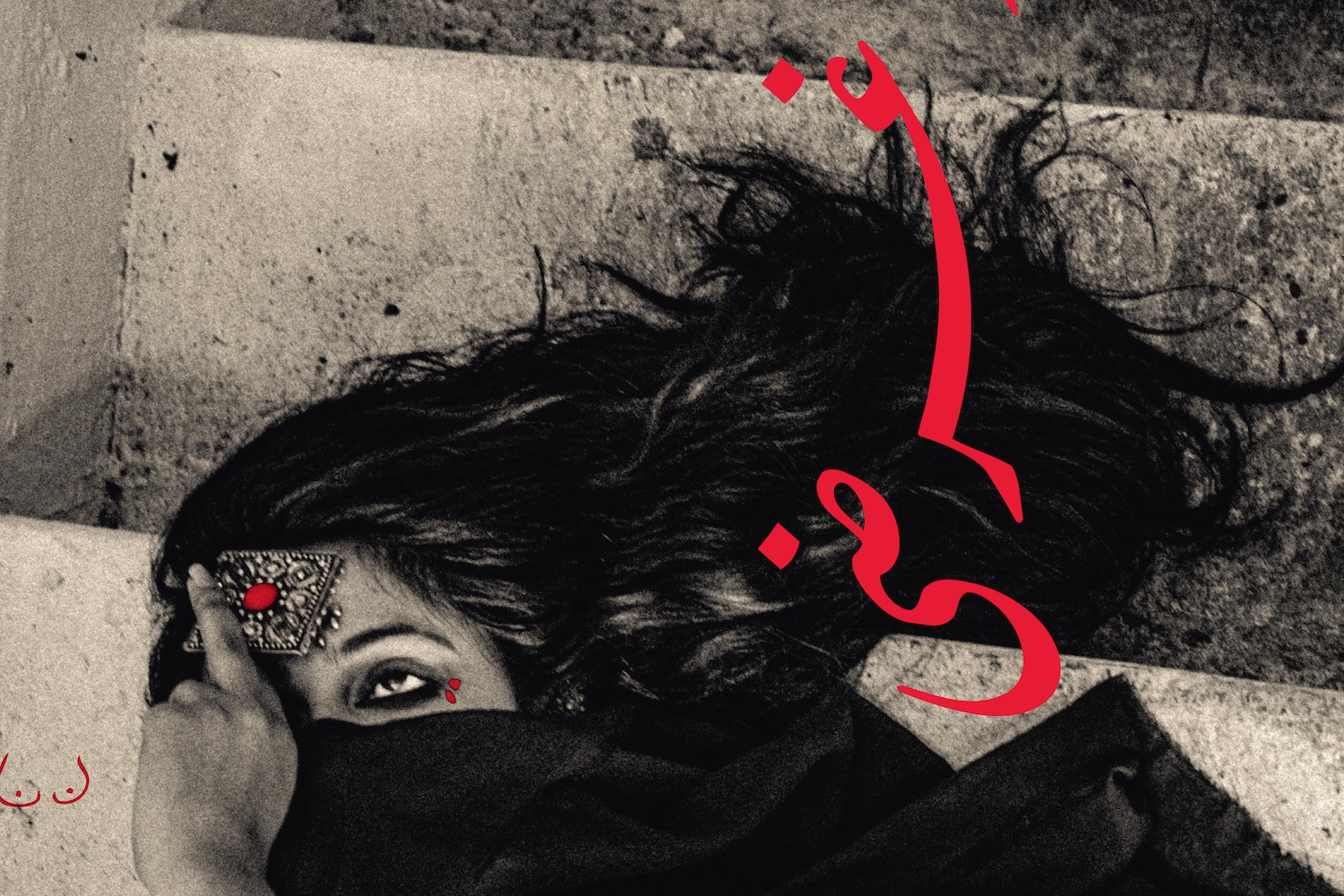
Raised in San Francisco to two musician parents, Sheherazaad’s musical heritage spans generations and continents. Her grandmother was a concert producer renowned for her work in the Indian classical music scene, and while Sheherazaad’s output now concerns itself with themes relating to the South Asian diaspora, her musical education started in jazz and The Great American Songbook. This debut album captures the folky minimalism of her 2024 EP Quasr (produced by Grammy-winning artist Arooj Aftab) but layers on more drama and experimentation.
Khudgarzi translates to The Selfish Woman, an archetypal character Sheherazaad was made to fear growing up (‘embracing her felt like stepping into a forbidden forest I’d been running away from’, she writes in the album’s press release). Written in the aftermath of a break-up, the collection speaks to the multi-faceted nature of femininity, in all of its beauty, shame, guilt and horror. Opening track ‘Qatil’ (Murderess) introduces its theatrical tone with pulsing percussion and two interlocking vocal tracks (Sheherazaad’s buoyant tones and a deeper speaking voice).
The tension is diffused in ‘Pakeezah’ (Pure One) with its beautiful yet haunting pizzicato strings that are punctuated with dissonant scratches. Songs like ‘Mard’ (Man) and ‘Andhera’ (Darkness) lean more heavily into experimentation, with contemporary sensibilities coming through in the melodies and sound design. There’s a cinematic quality to all ten tracks, Sheherazaad’s compositions swelling with emotion and subtext. Each lyric, instrument, string line and production choice are part of her storytelling, challenging and spoiling the listener in equal measure.
Sheherazaad: Khudgarzi is released by Erased Tapes on Friday 20 November.