Simon Kirby: 'We had an upside-down bicycle playing a bass guitar one night'
'You’ll hear sounds you’ve never heard before,’ promises Simon Kirby. Along with Andrew Ostler and Ben Jones, he set up Wavetable in 2021 to showcase sonic experimentation across the UK. The gigs take place on the third Thursday of every month in Edinburgh and have become firm favourites among a hardcore audience of music makers and music lovers. Almost every event has sold out since it began.
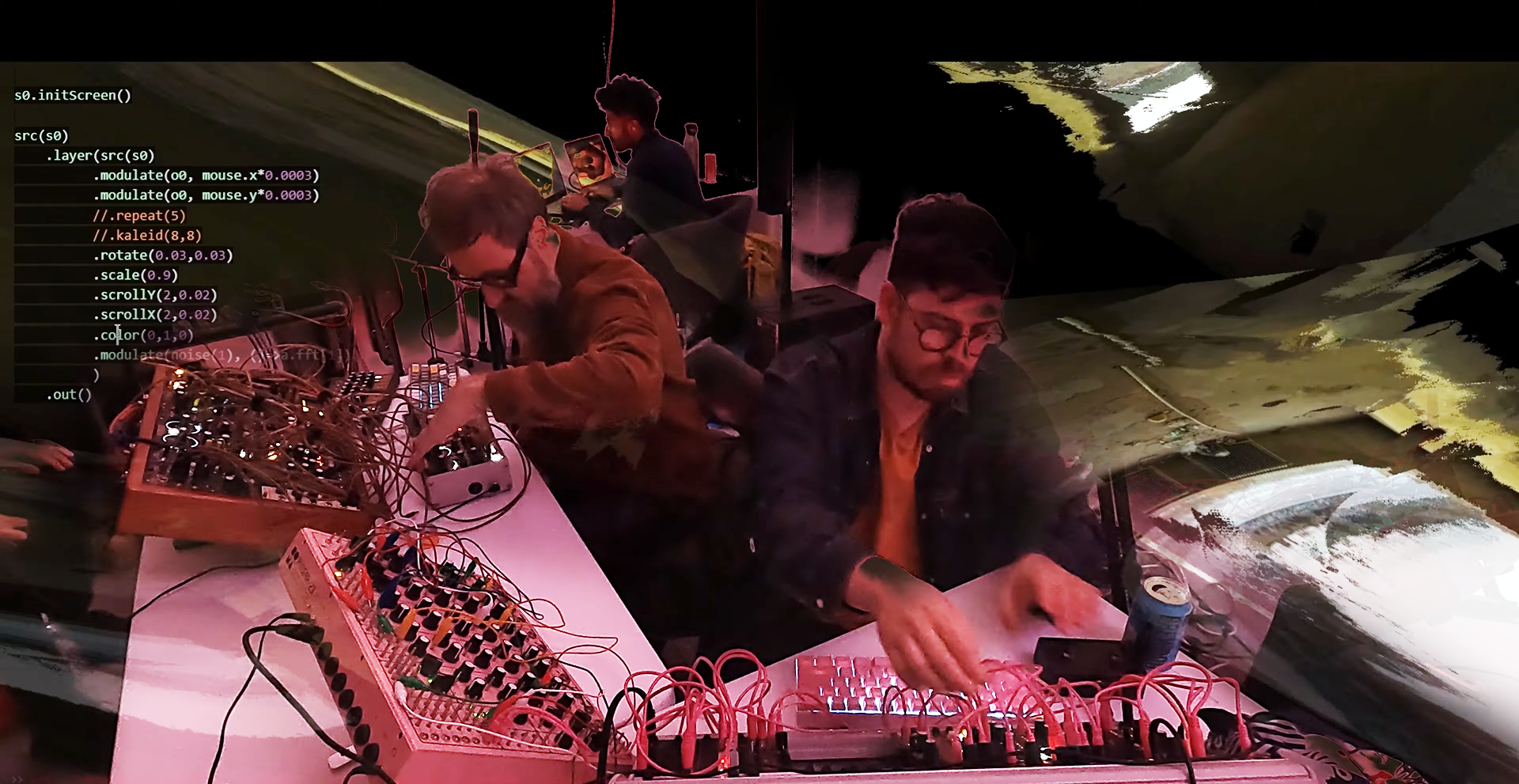
Floa & Obakegaku
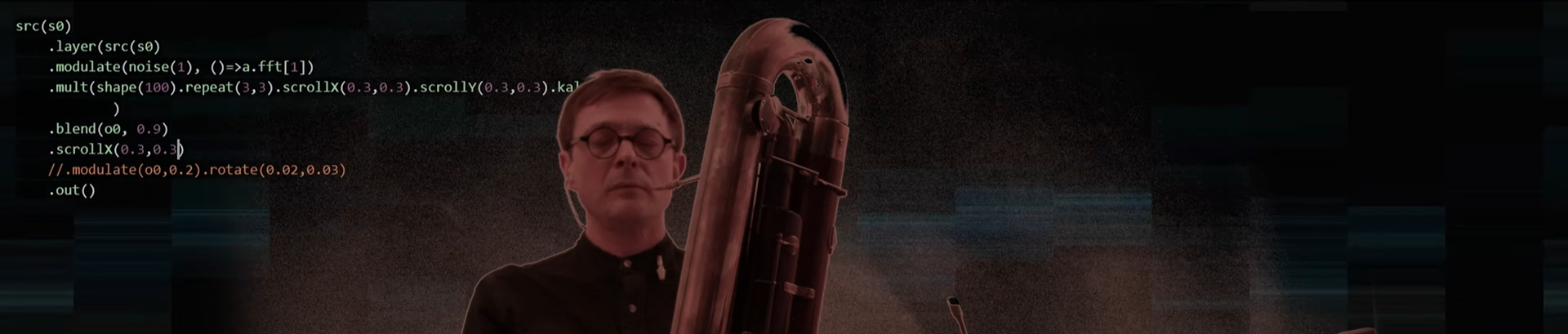
And Kirby is right, this feels like a unique proposition. On the evening I visited, there was a relaxing ambient mood piece from Floa & Obakegaku, an electro-acoustic drone from London-based contrabassoonist Thomas Stone, and a lively electronica set from Glasgow-based producer and performer MXMX. While each act teases out a soundscape, visualisations are projected onscreen behind the performers, created live by a coder interpreting what they hear. Strange noises wash through the room, code amasses on-screen as it’s typed, and visuals morph in and out of abstraction. These are voyages into uncharted aural and visual textures, and you’re along for the ride.
Dynamism and a willingness to experiment have led to some fascinating shows. ‘We had an upside-down bicycle playing a bass guitar one night,’ explains Kirby. ‘We had someone who combined music and an experimental novel that was being projected on the screen and then printed out. A contact mic was on the printer, so the sound of the novel being printed out was fed into the music. Another thing we’ve been doing is pairing people up who have never played together before. They’ll play literally for the first time in front of an audience to practice. Somehow you just know that this crowd is going to be on your side.’
What they really wanted was to give artists and musicians, including themselves, the space to play. ‘We thought, what type of night would we like to experience? There’s an appetite from the audience for music that’s improvised or experimental, and there’s an appetite from the performers to have a space where there’s an audience that listens. You’ll hear a pin drop during sets and a super-open-minded, respectful audience, which really makes a difference.’
Taking place in the 45-person capacity Whitespace, the decision to curate an event on a larger scale has been an appealing proposition that Wavetable’s founders have so far resisted. ‘We could easily have doubled our venue size,’ says Kirby. ‘But to me, a big part of this is its front-room vibe. When I introduce the acts, I don’t do it with a microphone. I just speak in my normal voice and everyone has to be quiet to hear. That puts them in a mindset to listen.’
Wavetable, Whitespace, Edinburgh, third Thursday of every month.