Takashi Miike: The undisputed champ of Asia Extreme
Takashi Miike’s filmography is as prolific as it is mind-bogglingly diverse. With his darkly shocking 2001 movie Visitor Q screening as part of the Film Festival’s Retrospectives strand, Kevin Fullerton explores the maverick Japanese director’s controversial career and reputation as a provocateur
Audition is filled with many startling sequences, but one key scene is etched indelibly on the retinas of anyone who’s watched it. A rotary phone rings on a table in the middle of a small room in a sparsely furnished Japanese apartment. In the foreground, a thin woman in a white dress sits hunched and limp, long black hair obscuring her face. The phone continues to ring, intense and unsettling. Then, in the background, a large burlap sack moves; twitches more like. There’s something in there. A person. And they’re alive. In that one tiny movement which lights up the amygdala in a primal lurch of panic, director Takashi Miike steers a languorous relationship drama into a viscera-strewn, alarmingly credible horror.
With more than 100 film and television titles to his name, Miike’s stylistic tics are ever-changing and hard to pin down, but the rug-pull moment of Audition is one of many in a career typified by feints, misdirection and violence. Refusing to be constrained by the trappings of genre, his work includes a quiet historical epic that segues into a kinetic 40-minute action sequence (13 Assassins); a garish musical about a guest house where patrons keep dying (The Happiness Of The Katakuris); a meta-horror about Japanese folklore that descends into Junji Ito-inflected body horror (Over Your Dead Body); and the indefinable Zebraman, in which a down-on-his-luck teacher decides to dress up and fight crime. Miike often feels like a scientist testing how much flex a genre has before it buckles under the weight of his imagination.
.jpg)
For good or ill, his lithe approach to form is often overshadowed by his visceral attitude to, well, viscera, and his unflinching representation of upsetting imagery and subject matter. The splatter horror Ichi The Killer, in which a psychologically damaged member of the Yakuza enacts an over-the-top killing spree, remains infamous for what was then marketed as a new type of cinema emerging from Hong Kong, Japan, South Korea and Thailand: ‘Asia Extreme’, which meditated on censor-baiting transgressive acts. Hugely successful on the UK DVD market, Miike’s outré sensibility made him a favourite with a newly Japanophile cohort of young adults experiencing east Asian filmmaking for the first time.
Unlike his peers Park Chan-wook and Hideo Nakata, Miike’s reputation as a provocateur has never quite faded despite his varied filmography, in part because his challenging features of the early 2000s (Audition, Visitor Q, Ichi The Killer and Gozu) made him notorious. Yet embedded within his unique brand of weirdness is a deft interrogation of violent impulses, merging nightmare logic, body horror, merciless humour and uncomfortable human truths. Like the burlap sack rocking to and fro in Audition, he’s fascinated by the often ugly nature we all hide. His job is to untie the knot.
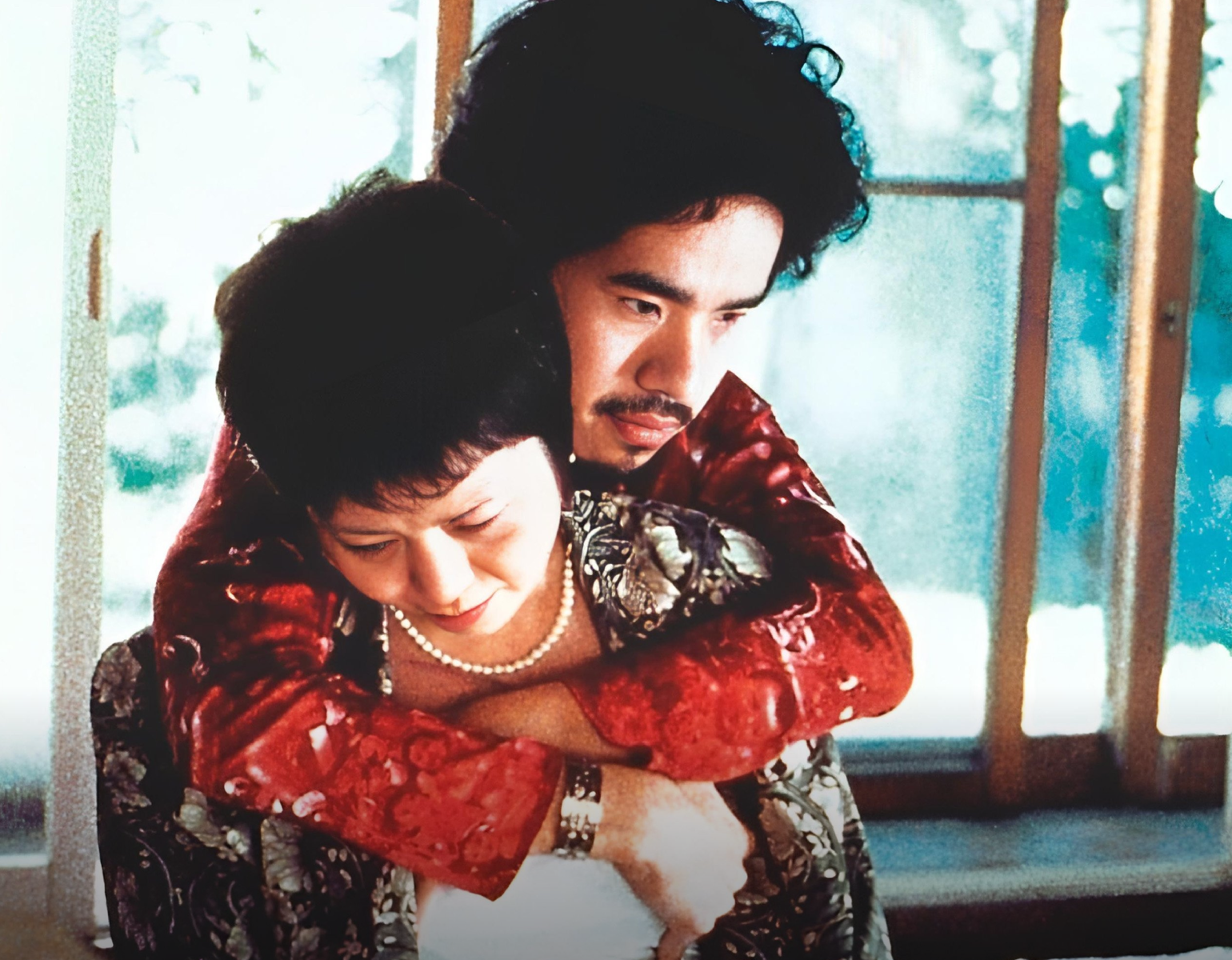
Visitor Q, Filmhouse, 15 August, 8pm.
Related articles