The changing face of the local taproom
David Kirkwood explores the evolution of the taproom, an area of hospitality where everything’s changing, especially in Edinburgh
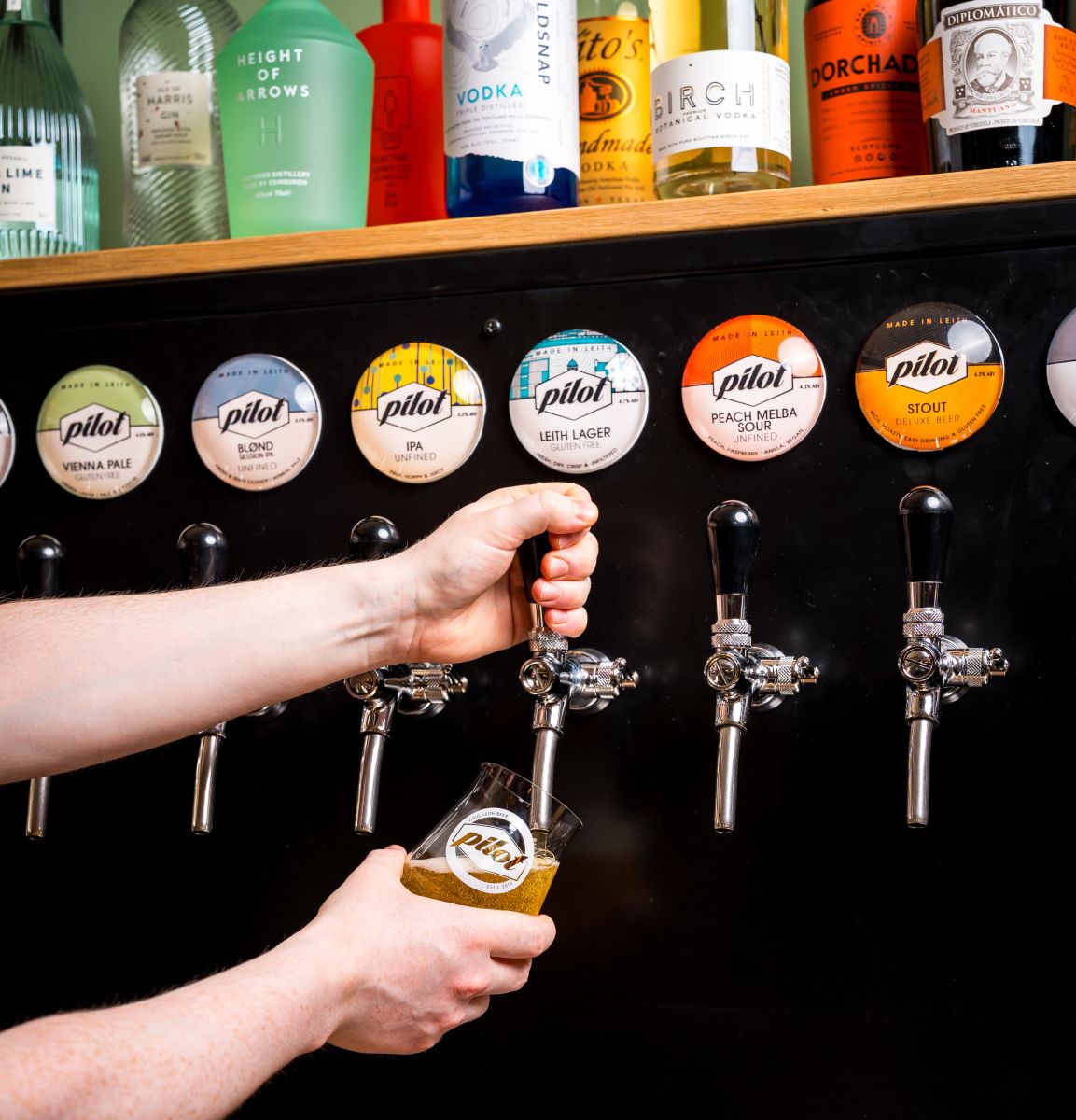
A taproom is a space where a craft beer brewery pours its own beer. That usually meant a brewery adapted part of its space into something customer-facing, with a friendly, bearded fellow in a branded beanie standing behind a makeshift bar with some beer taps. Then, there was version 2.0: long bench tables, repurposed scaffolding and rows of chrome taps offering more and more hazy pale ales and New England IPAs. The staff were cooler, the merch dearer and the neon signs were so edgy they had to be kept in cages.
.jpg)
But those days may soon be over too, judging by some recent developments in Edinburgh. On Hanover Street, local brewery Pilot has opened Vessel, which very much feels like equal parts brewery showcase and standalone bar/bistro, with an emphasis on local and indie producers. The logo (two faces in profile creating the silhouette of a goblet) evokes a wine bar rather than a splinter-filled taproom, and there’s a softness in everything from furnishings to uniforms.
But it wasn’t always going to be like this, confesses Pilot’s co-founder Patrick Jones. ‘The plan was to open back in 2018 in the brewery in Leith, but then we needed the storage space... then covid happened and everything just sort of moved on.’ As time passed and the craft-beer scene matured, Jones also observed a desire for taprooms to feel more curated: ‘We’ve got eight beer lines; six are our core beers and two are rotationals. Our food, which is small-ish plates for sharing, is about 50% veggie or vegan.’ We’re talking miso heritage carrots rather than dirty fries; Jones cites the Verdant taproom in Cornwall, a full-on seafood restaurant, as the benchmark for doing things differently.
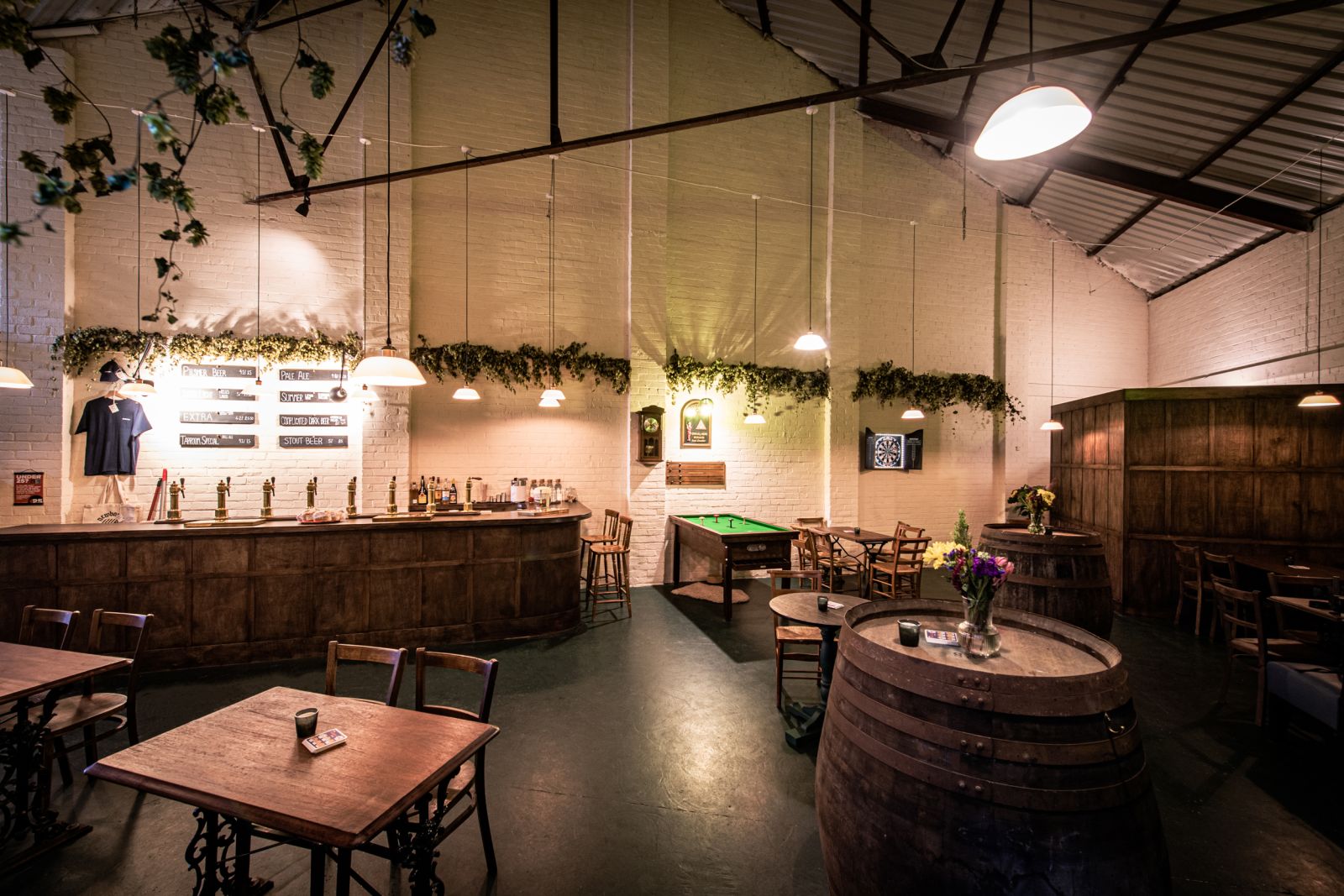
In Leith, Newbarns Brewery beautifully combines early-stage taproom with more current concerns. You step off the brewery floor into a den of pub nostalgia, with memorabilia and couches, a dartboard and monthly pub quiz. ‘We want to make beers that people want to drink pints of, so for us it’s not just about beer from the source,’ explains operations manager Wes Hall. ‘It’s about asking “in what sort of place do I want to be drinking these pints?”.’ Up next for Newbarns is a co-venture bar/restaurant on Easter Road with The Palmerston team.
Moonwake and Campervan taprooms are also thriving in Leith, which begs the question: why is Glasgow lagging? Overtone Brewing is perhaps the city’s best candidate for a taproom set-up, but as sales rep Andrew McKeen explains, it’s all about location. ‘The taproom question comes up again and again, but we just don’t think enough people would want to come to the outskirts of town to drink beer in the car park of an industrial estate.’ Spots elsewhere are hard to come by and bring hefty associated risks of costs and compromises.
Dom Nisbet, owner of Glaswegian craft beer institution Koelschip Yard, also points out the breweries who get taprooms right have a core range of lagers and pale ales that customers can get behind. ‘That means a steadier and larger output, which means it’s a more solid decision to commit to a taproom. There’s also traditionally been more independent bars in Edinburgh, so more places are free to stock local breweries.’ He also suggests that while Glasgow has a bigger population, Edinburgh’s all-year tourism means there’s a greater demand for visitors asking for a ‘local pint’. It’s a fast-moving scene, but one thing’s for sure: the taproom evolution will not be generalised.