The Twilight Sad's James Graham on loss: 'Reaching out helps you feel less alone'
On their first album since 2019, The Twilight Sad are grappling with the craters caused by grief. Kevin Fullerton speaks to James Graham and Andy MacFarlane about collaborating with Robert Smith, the unshakeable aftermath of parental loss and the need for Scotland to start talking about death
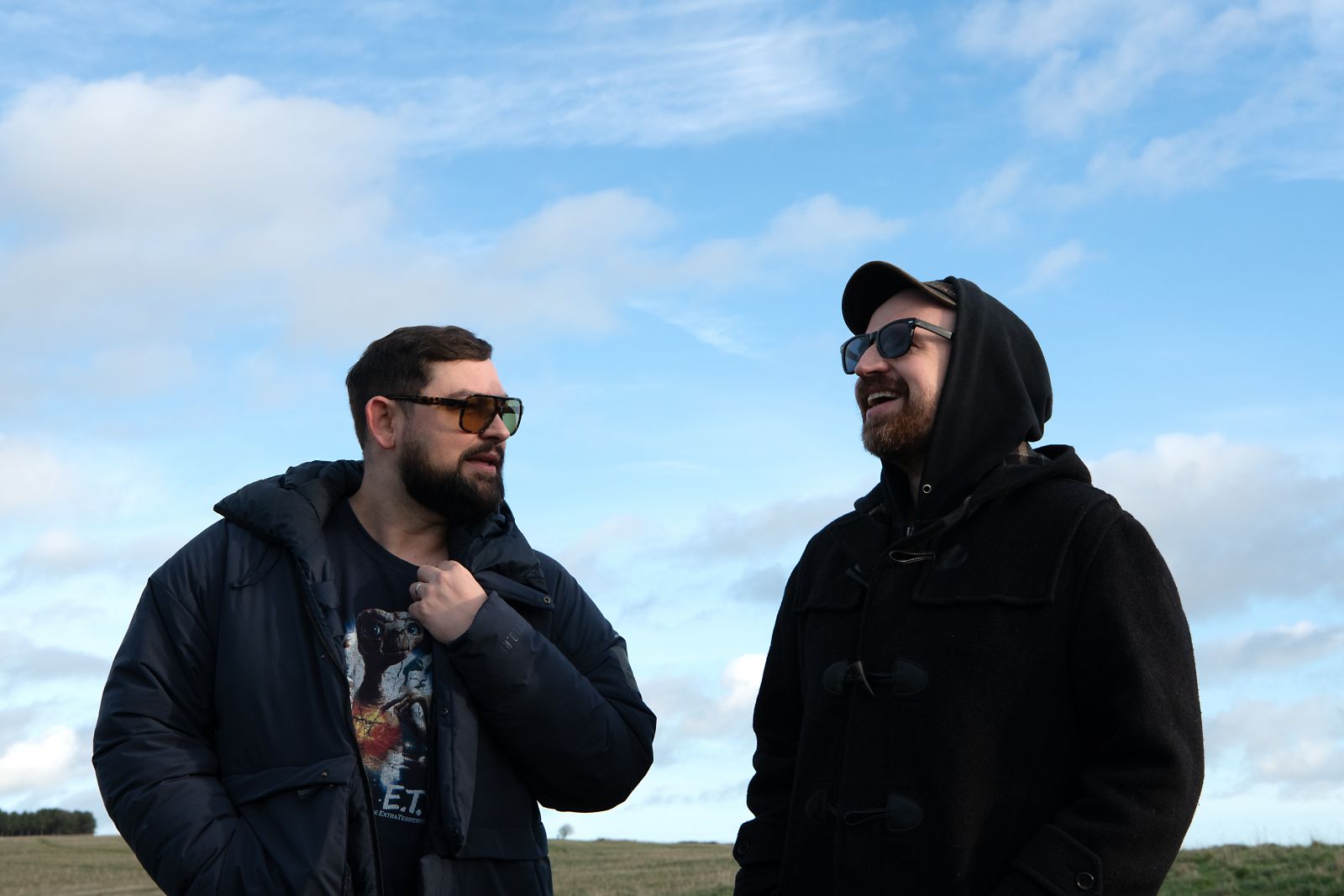
Things were going well for The Twilight Sad in 2016. The band, known for Andy MacFarlane’s baroque shoegaze and James Graham’s distinctive Scottish vocals, had embarked on an expansive tour supporting The Cure, while Graham was set to get married. Then Graham’s mum began to behave in ways that he didn’t understand. They avoided the problem for a long time in the manner of many families, but eventually she was taken to a doctor and diagnosed with early-onset frontotemporal dementia, the second most common form of dementia for those under the age of 65. Her health declined rapidly, removing her ability to speak. At the same time, Graham’s children were born and the release of the band’s fifth album It Won’t Be Like This All The Time garnered some of the best reviews of their career.
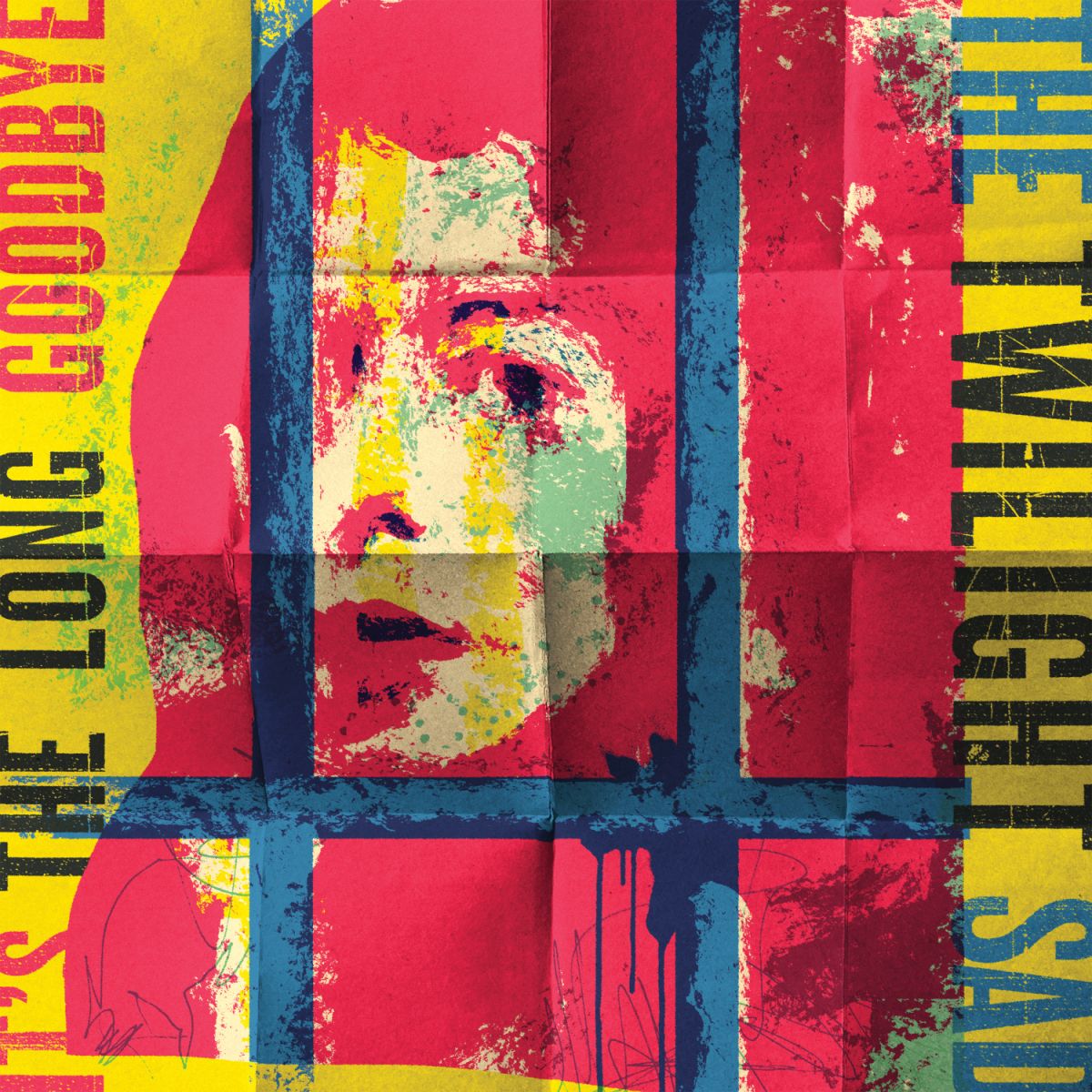
New album It’s The Long Goodbye is a portrait of this time, wrestling with the contradictions of Graham’s charmed life while his mother succumbed to the gruelling effects of her illness. It was a period of strain that he couldn’t sustain. ‘When it came to writing the record, we were delayed by the pandemic, and then we went on tour with The Cure again, which was a fucking fantastic escape,’ Graham explains, recounting his experience with the exactitude of someone still coming to terms with it. ‘But there was too much going on in my head. My body shut down when I came home and the decision was taken out of my hands about my mental health. We phoned a doctor and I got medication for depression and anxiety. Three months later my mum passed away and grief took over. There was two years of that, but Andy was sending me music the whole time. I just threw everything at writing.’
Meeting Graham and MacFarlane at Sub Station, a secluded recording studio in Rosyth where the band have worked on several records, there was an awkwardness in the air before we tackled the shadow hanging over It’s The Long Goodbye. Figuring out the rhythm of our conversation, I feel the need to mention my own bereavements, how a similar deterioration had happened to my dad only a few years before (the fourth anniversary of his death was just two days after our conversation), to illustrate that Graham’s writing was both specific to him and wholly universal, and to mitigate the guilt of manoeuvring someone into discussing a recent trauma. Graham himself is steeled. ‘I might seem upset,’ he admits, breaking eye contact and looking down at the records he’d been signing before I arrived. ‘But I want to talk about it, I really do. I’m still figuring it out myself if I’m being honest. I’ve done a few interviews about this and things are popping out that are helping me make more sense of it. There were a lot of times when I was pretty cloudy when things were happening because I was ill myself.’
The Twilight Sad have always been a vehicle for catharsis, playing out dramas of loneliness and disconnection through swirls of distortion. Yet the emotion here is uncloaked from Graham’s usual talent for compellingly opaque visual metaphor. Raw lyrics flow from the entire album to create a blow-by-blow account of grief and mental duress in real time, from bargaining for a lost one’s return to the weight of depression when hope departs.
Lead single ‘Waiting For The Phone Call’ begins in media res with the lines: ‘I’m sitting in the front seat, head in my hands, waiting for the phone call telling me that you’re gone.’ They’re stark descriptions in part because they were the result of an almost primal scream-style automatic writing. ‘I wrote nearly all of “Waiting For The Phone Call” on an hour-long walk,’ Graham recalls. ‘It was like one of those things in sport, the flow state. I didn’t even know what I was going to write about when I went out, but Andy’s music helped me channel it.’
Grief itself is nothing new to Graham and MacFarlane, who came to be viewed as flagbearers for Frightened Rabbit’s legacy when their close friend Scott Hutchison passed away in 2018 and who were burdened with parental loss during the band’s earliest days in Kilsyth. ‘My dad died before the first album [Fourteen Autumns & Fifteen Winters] came out,’ MacFarlane says. ‘I wouldn’t have finished the album if that hadn’t happened to me. It was a catalyst to be like, “you need to get out of this town”. After making something like that, I knew we had to add a lot of energy to keep up with James’ lyrical content. At the same time, I was focusing on the melodies more than the lyrics.’
‘It’s not easy to listen to these lyrics,’ admits Graham, ‘especially because Andy’s my friend. He’s right about the energy of it as well. Andy could have made it so demure and bleak, but the life that he’s put into the music actually represents the ups and the downs. This process hasn’t been one note or one feeling, and he’s given it all this colour to contrast what I’m singing.’
Adding to MacFarlane’s arrangements is long-time champion and friend Robert Smith, who himself meditated on the death of his brother for The Cure’s most recent album Songs Of A Lost World. Although he’d been an active collaborator since The Twilight Sad’s fourth record, Nobody Wants To Be Here And Nobody Wants To Leave, this is the first time he’s played on an album, and his knack for balancing melody with melancholy has proven to be a north star. ‘We’ve been given this opportunity to watch The Cure hundreds of times,’ says Graham. ‘They’re one of the best pop bands in the world. They’re one of the best miserable, long soundscape bands, and we got three hours of that every night. Even if we weren’t thinking about it, we were sponges.’
‘Robert’s been there since the day we started doing the demos,’ MacFarlane explains. ‘We’ve got access to a wee studio in Wandsworth where we would meet him and he was like, “I really want to play guitar on this.” And we were like, “we’re going to keep reminding you that you said that.” I didn’t really have anything in mind for him but the stuff he came back with was brilliant.’
‘The melodies he brought to “Back To Fourteen” were like the icing on the cake,’ adds Graham, overawed. ‘He added one of those thumb pianos. You don’t realise what a song needs and then a genius comes along and adds something like that; it’s become one of my favourite moments on the record.’
Beyond Smith’s obvious musical genius, there’s a sense that his presence on It’s The Long Goodbye represents something larger in an album shattered by loss, a communication between two rock bands grappling with one of life’s harshest realities. ‘We got to watch Songs Of A Lost World progress in real time on tour,’ says Graham. ‘To see one of the most popular musicians of all time bare everything was a privilege. I didn’t think about it when I was writing, but now I think that album had a massive influence on ours.’
The naked emotion of It’s The Long Goodbye is at times both difficult to stomach and immediately recognisable for anyone who’s lost a parent, but it also holds a special significance in a country where male repression is rife and discussion of death remains rare. ‘We grew up in central Scotland where people don’t talk about their feelings,’ laments Graham. ‘It’s been nice to be someone who’s trying to break through that because I’ve got two boys coming up and I don’t want them to be the old way: bravado and all that kind of crap that goes along with being a Scottish guy. It’s the same with death; I wish it had been spoken about much more when I was growing up. I think we should be more like Mexico with their Day Of The Dead. Talking about it just makes it better. I’ve realised that reaching out helps you feel less alone and that’s a big positive for me moving forward. If this record can reach the right people, then job done as far as I’m concerned.’
That same desire for connection has always given the dark themes of every Twilight Sad album a sincerity, universality and quiet understanding; these elements characterise MacFarlane and Graham’s creatively fertile friendship, which the latter has credited to helping his recovery. ‘Andy’s the guy that took the time to learn instruments and I’m just a chancer,’ jokes Graham. ‘But there’s nobody else that could have brought these things out in me.’
‘Robert says I’ve got the maniac side of his brain,’ adds MacFarlane.
‘What side have I got then?’ asks Graham.
‘You’ve got the side that cries,’ he replies.
‘Aye, I can’t fight back against that one,’ concedes Graham, unwittingly pinpointing his appeal as a singer who can harness his vulnerability and heart-on-sleeve anxieties to powerful effect. ‘I’m ok with being an emotional Scottish guy. There should be more of us.’
It’s The Long Goodbye is out now on Rock Action; The Twilight Sad are touring the UK until Sunday 26 July.
Related articles
All news, reviews and features on The List are chosen independently by our editorial team. However, we may earn a small affiliate commission when you make a purchase through one of the links embedded in this article.