Yngvild Aspeli on Dracula's relevance today: 'Abuse of power never stops happening'
For well over a century, Bram Stoker’s vampire tale has been done to death on both stage and screen. Isy Santini ventured to Paris and witnessed Plexus Polaire’s very different kind of Dracula
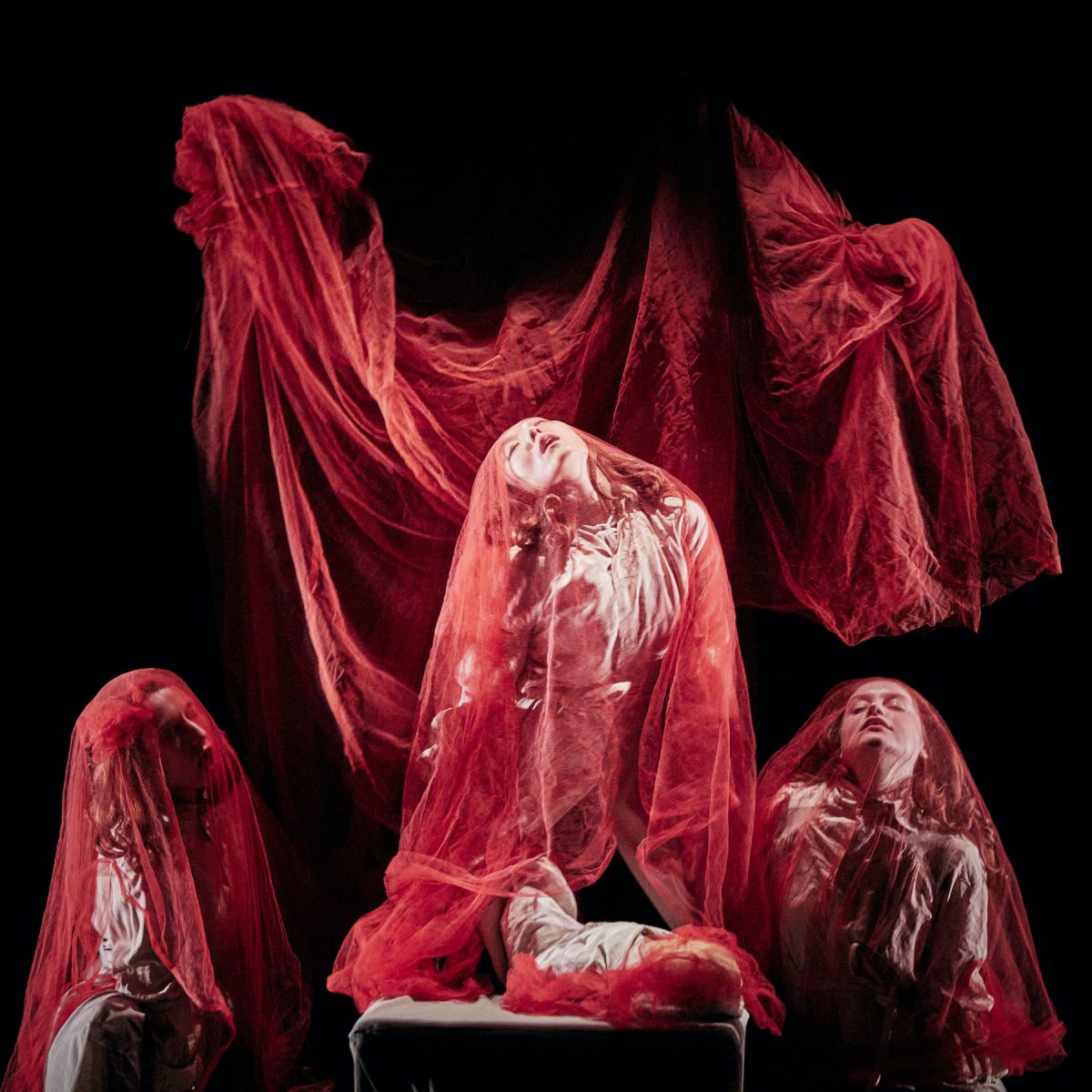
A frightened, red-haired waif in a nightgown wanders onstage, weaving between the gravestones amid a background of ethereal music. This is Lucy Westenra, one of the most captivating characters in Bram Stoker’s Dracula, and the most difficult to pin down. In over a century of adaptations, Dracula’s first victim is portrayed as a death-obsessed goth, a capricious heiress or a lustful vixen. A new stage adaptation from theatre company Plexus Polaire, however, hits upon a rather novel approach. In Dracula: Lucy’s Dream, Westenra is simply a person. ‘I wanted to give her the force to exit the role of victim,’ explains director Yngvild Aspeli. ‘I wanted to change the perspective without changing the story.’
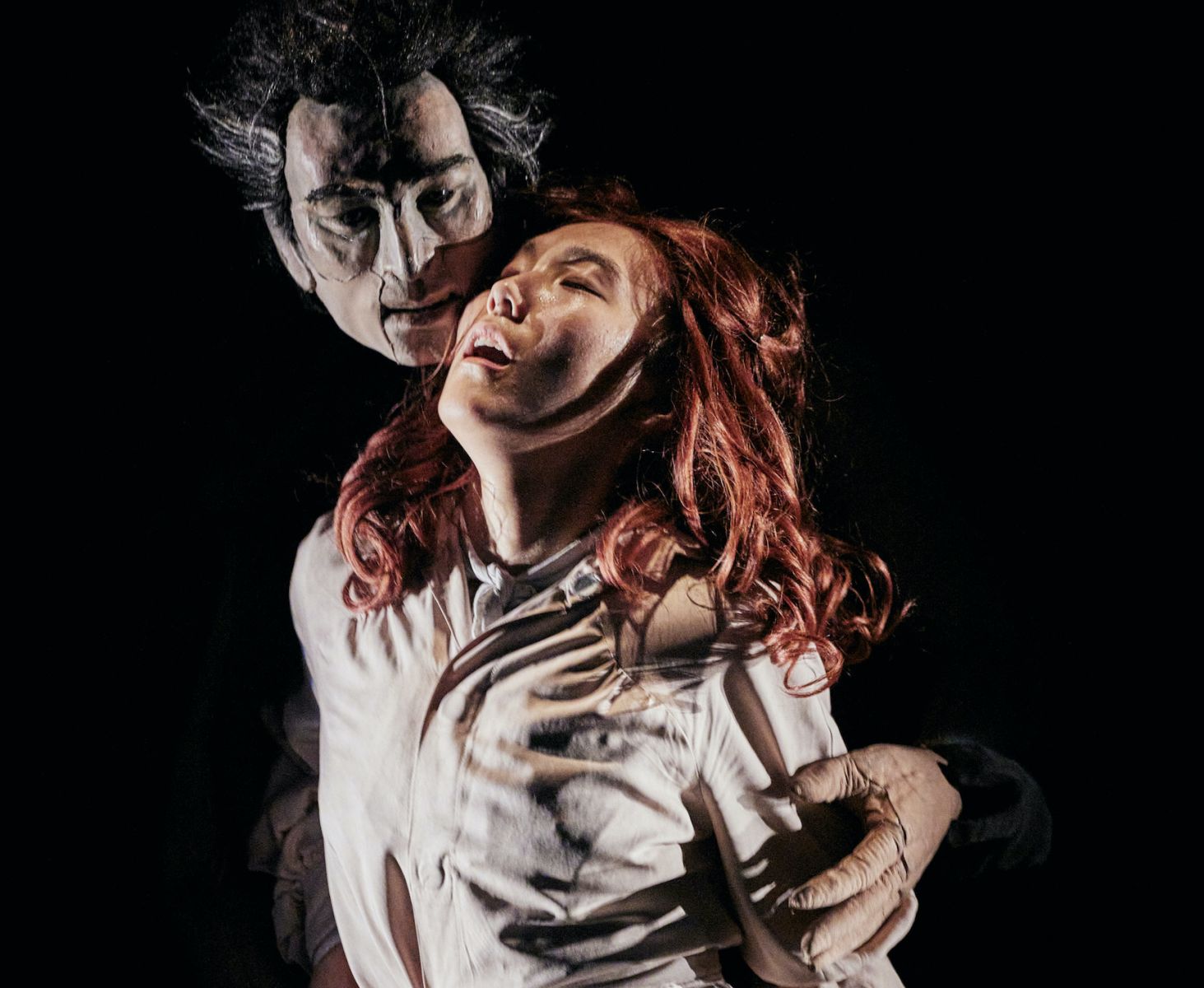
The show achieves this by using puppetry, sound and lighting, rather than dialogue, to delve further into Lucy’s psyche while keeping to the original novel’s story beats. Following critically acclaimed productions of Moby Dick and A Doll’s House, Plexus Polaire have become known for their skilled and innovative puppeteering. ‘Puppetry allows you to really create a different world,’ says Aspeli. ‘But I think it also allows us to look at ourselves with a bit of distance, and with that distance you can go even closer.’
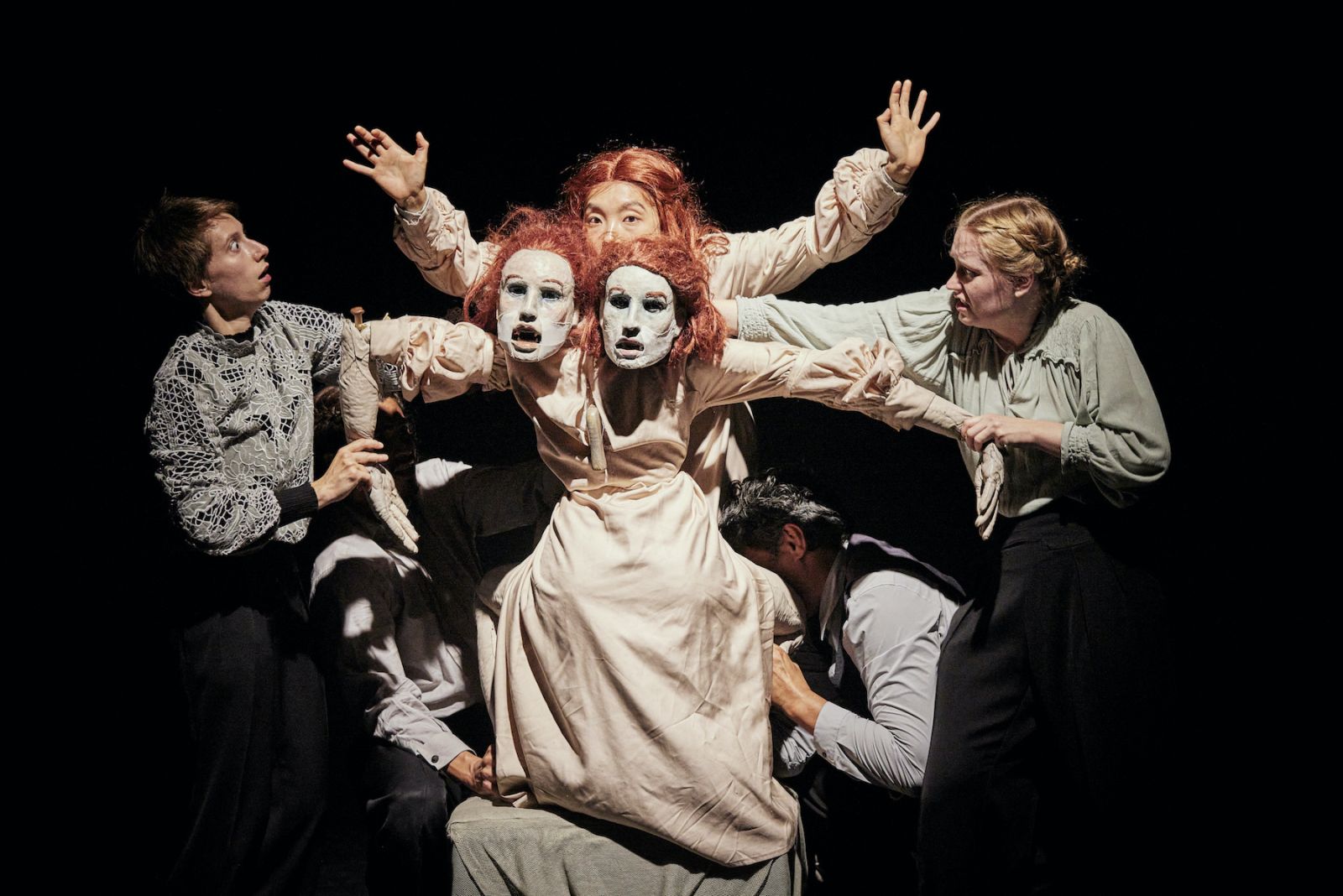
The psychological language of puppetry is a key element of Dracula: Lucy’s Dream. ‘I’m interested in these things within us that we cannot necessarily explain but that we can very much feel,’ states Aspeli. ‘I think that puppetry allows us to visualise those intangible, existential things in a very concrete way.’ Instead of a single actor playing any one character, they all move fluidly between actor and puppet. At times, multiple Lucys occupy the stage at once, puppeting and manipulating each other. Through her interactions with herself, we glimpse the different sides of Lucy, and we see that she is a willing participant, a helpless victim and a resistant heroine all at once. ‘To combine actor and puppet is to create the complexity of the situation,’ continues Aspeli. ‘It’s a situation where what you thought was good actually turns out to be bad, and what you thought was bad is maybe what saves you.’
 Dracula: Lucy’s Dream is more than just a character study, however. It’s also a highly relevant tale of trauma, abuse and addiction. ‘Abuse of power never stops happening,’ she says. ‘It may shift form but the essential core of it happens again and again.’ The vampire, Aspeli argues, is also the perfect figure with which to explore these themes. ‘He’s the manipulator, the one who draws all your energy and finally your life.’ She sees him too as a manifestation of trauma and PTSD. ‘It’s over but it changed your mind and body and it still controls you. How do you get out of that kind of possession?’
This rich symbolism is also what made Dracula a prime candidate for puppetry. Aspeli draws a comparison between the dead vampire depending on the living to survive and the inanimacy of the puppet. ‘But it’s also his capacity for transformation: he’s one thing and then he’s another, and I think this is very true for the theme.’ In this production, Dracula transforms from man to dog to bat right before the audience’s eyes, as if by magic. When asked about these miraculous transitions, Aspeli is careful not to give away the tricks of the trade. ‘We work a lot with the light corridor; what you see and what you don’t see. But it’s really the work of the actor puppeteers, who constantly go between the technical choreography and playing a role.’
Dracula: Lucy’s Dream, Pleasance EICC, 6–29 August, 5.30pm.