Big Special and the indomitable rise of speak-singing
Big Special are set to hit TRNSMT with their exhilarating combo of rap and powerful vocals. Kevin Fullerton pores over the band’s connections with the tidal wave of speak-singing aka sprechgesang, a form that has begun to define post-punk’s modern age
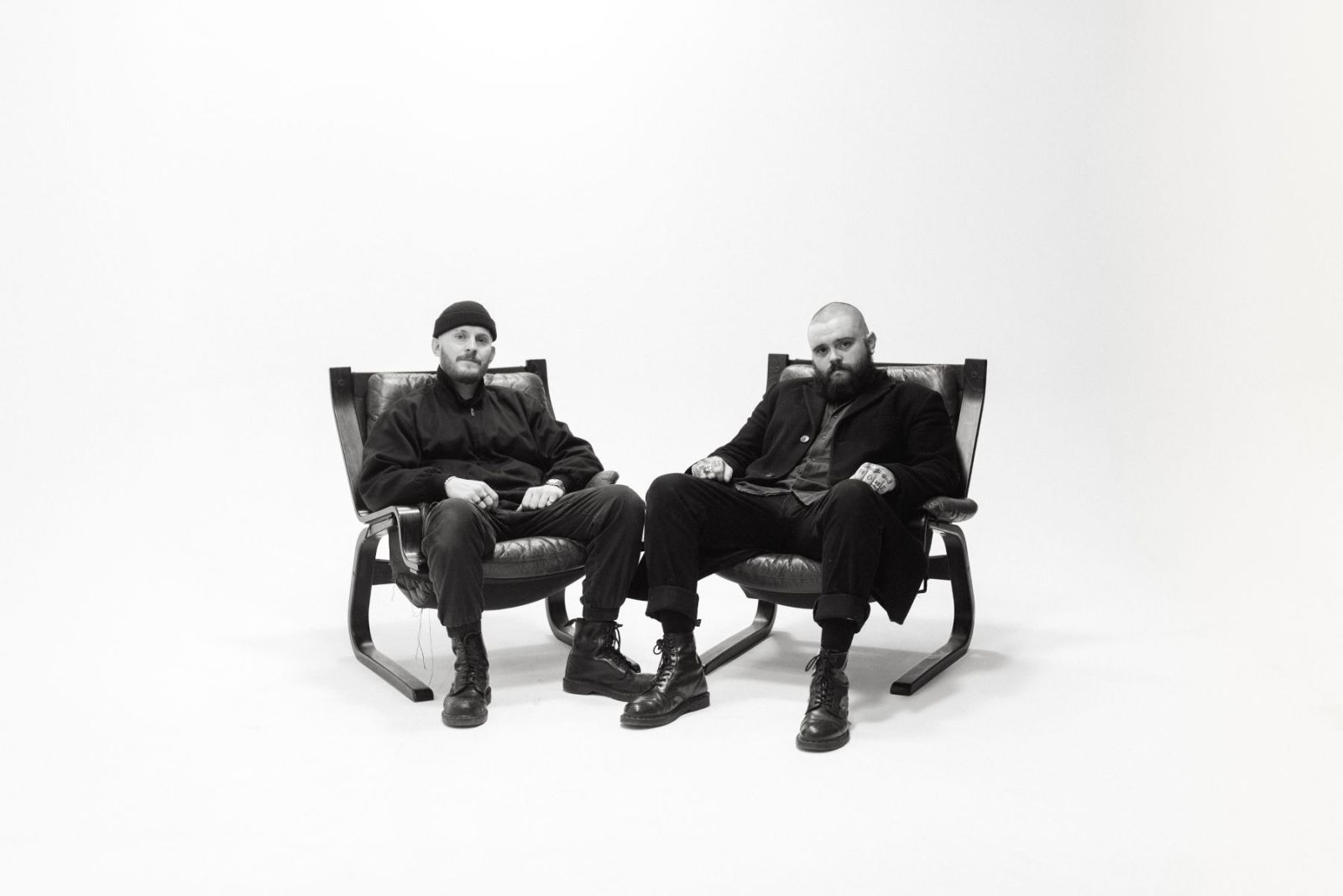
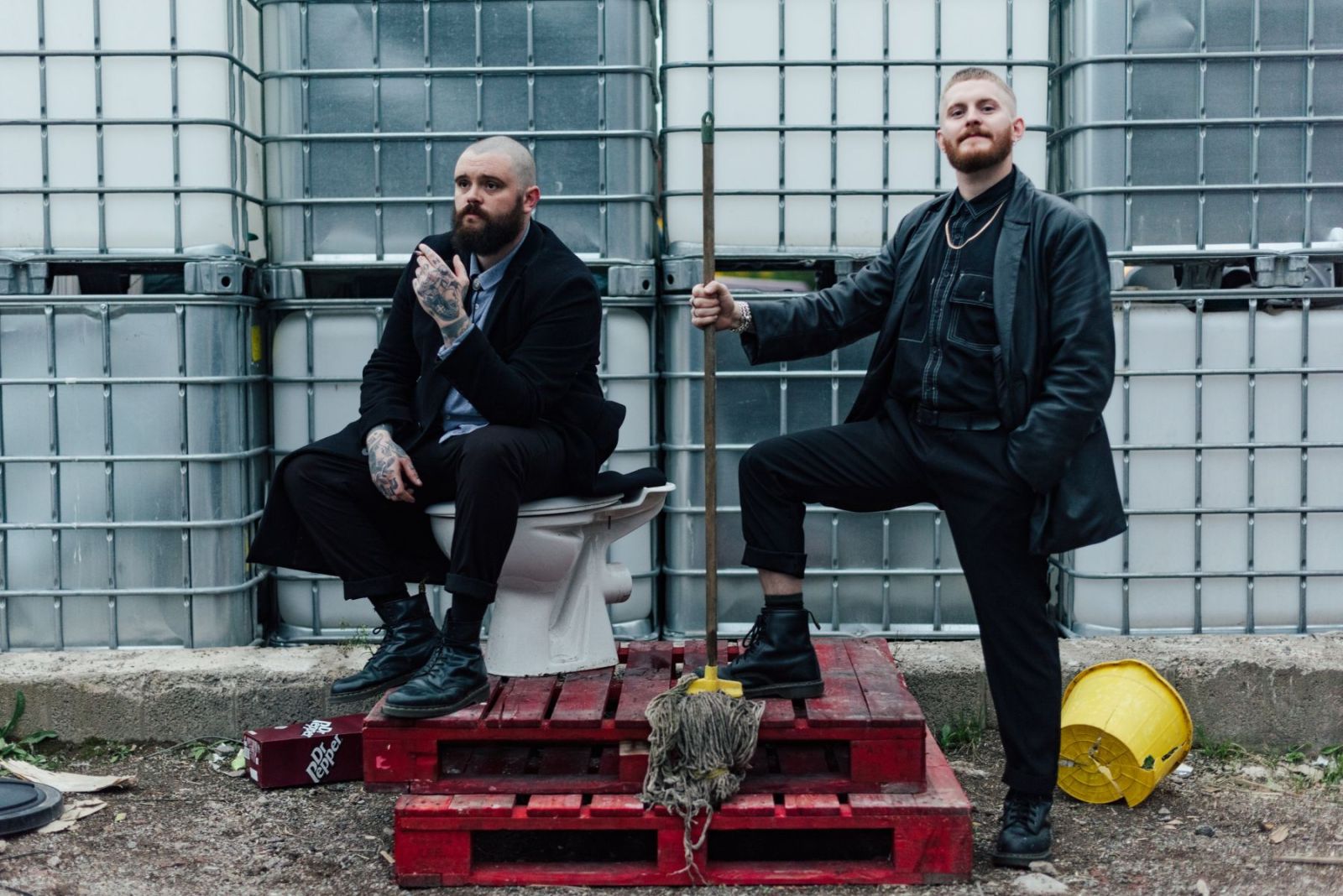
‘Shithouse!’ bellows Big Special’s Joe Hicklin in their breakout hit of the same name, relishing in his own gleeful puerility. They’re a duo very much in vogue, crafting the kind of 6 Music-friendly indie that Steve Lamacq can wiggle his lugs at approvingly, while maintaining intelligent shout-along choruses that keep festival crowds perky. Clad in black and comprising a singer and drummer combo, it would be easy to dismiss Big Special as some hell-spawn revival of Royal Blood’s ear-bleed rawk. But their limber sound is an evolution of the sprechgesang revival that’s been gaining steam since the mid-2010s.
Unlike weedy-voiced peers Yard Act and their ilk, Hicklin can actually sing. When he’s not rapping in a west country brogue, his vocals alternate between a Kasabian-like drawl and an American gospel howl, belting tunes without mangling his larynx into a punk snarl à la Joe Talbot or descending into the nasal disturbances of Jason Williamson. Hicklin, then, isn’t a weak singer using sprechgesang as a crutch, but (much like his contemporary Billy Nomates) is using accent as an instrument in a country that still treats southern English inflections as the default setting in both music and the wider world. What’s more, he’s proof that the qualities of rap once thought incompatible with a British accent have long dissipated.
It would be easy to point towards outfits such as The Fall or even the diaristic screeds of Arab Strap as progenitors of this variation on post-punk; but Big Special, Dry Cleaning, Sleaford Mods, Real Lies and Fontaines DC are really the beneficiaries of a decade when UK artists tried and failed to strike a balance between American rap and parochial Britishisms. From the strained couplets of Just Jack to the lads-lads-lads knees-up of The Streets, the 2000s were awash with truly horrendous stabs at Brit hip hop. Writing for Drowned In Sound, Paul Clarke summed up the era best in his review of Dan Le Sac vs Scroobius Pip’s The Logic Of Chance, claiming that the definition of ‘poet’ in pop generally meant ‘white boys who can’t rap’. Pip (who ditched spoken word for a well-received career in podcasting) had perhaps the worst flow of the bunch, huffing like an asthmatic sprinting up a flight of stairs while he delivered tin-eared bars critiquing American rappers he could match in neither wit nor lyrical dexterity.
Those dark days have been replaced by artists with a greater respect for the traditions they’ve purloined. Perhaps that’s because grime and its offshoots have become an organic part of the UK’s musical grammar; where Roots Manuva and Ms Dynamite were outliers in the 2000s, now acts such as Stormzy, Headie One, Little Simz and Lex Amor are just as likely to be found on an indie bill as on a dedicated hip-hop night. The flagrantly aggressive bark of Sleaford Mods’ Williamson is the product of moulding his Nottingham croak around Wu-Tang Clan’s knotted rhythms. Fontaines DC have tipped their hat to Linkin Park’s short-lived reign of angry-lad bluster for their blockbuster indie hit ‘Starburster’. Meanwhile, the irony-soaked surrealist drawl of Dry Cleaning’s Florence Shaw owes plenty to her childhood mimicking of So Solid Crew. As the once-rigidly defined genres of the past grow porous, so too have rock and rap co-opted each other without the cringe factor of days gone by.

The growing pains of sprechgesang have developed, then, to the extent that they present a far different problem than they did in the 2000s. In an industry increasingly dominated by middle to upper-class performers, the variation of accents in music presents an inaccurately equitable picture of a landscape growing less socially mobile every year. According to statistics from The Sutton Trust, top-selling musicians are six times more likely than the public to have attended private schools, while privately educated students represent more than half of music students at the most prestigious conservatoires. As claimed by Wolf Alice guitarist Joff Oddie in a discussion with the British Parliament’s Culture, Media And Sport Committee, ‘one of the things we risk is that music becomes a middle and upper-class sport’. While the music business continues to use class signifiers as a marker for authenticity, it’s pulling the ladder up from working-class acts across the UK. Shithouse indeed.
Big Special play Glasgow Green on Saturday 20 June; TRNSMT runs from Friday 19 –Sunday 21 June.
Related articles
All news, reviews and features on The List are chosen independently by our editorial team. However, we may earn a small affiliate commission when you make a purchase through one of the links embedded in this article.