Catherine Opie: To Be Seen visual art review – Putting people in the picture
The photographer's intimate portraits challenge the traditions of the RSA’s grand rooms
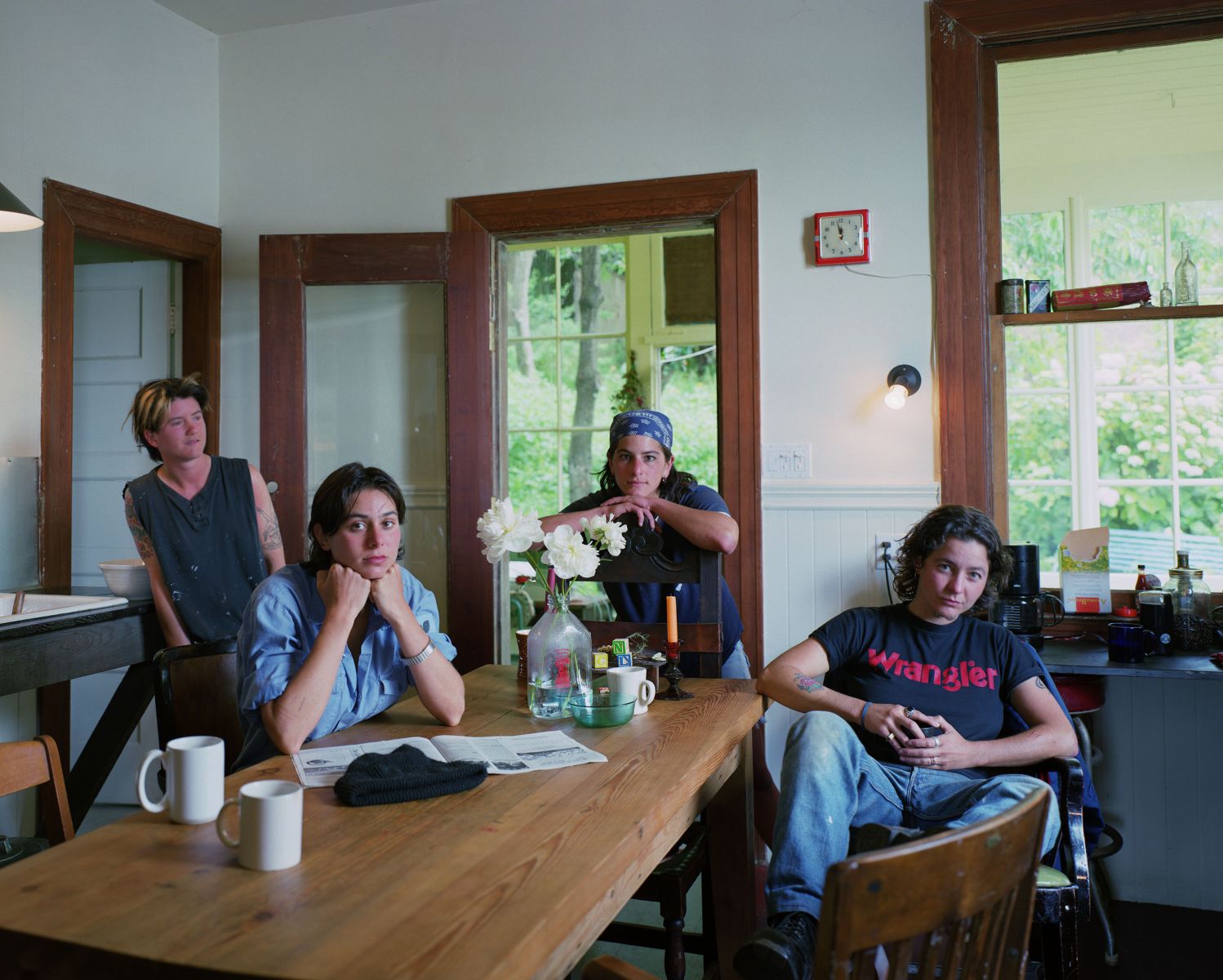
The grand rooms of the Royal Scottish Academy are used to being adorned with portraits of people who, apparently, matter. Catherine Opie fills them generously, and spectacularly, with people who have spent their lives being told they don’t. Set against blood-red and royal-blue walls, these portraits are woven through pieces from the RSA’s historic collection, creating a conversation between traditional portraiture and people rarely afforded the same space. Opie is a queer American photographer who has spent decades documenting communities, families and outsiders. Her self-portrait, taken while breastfeeding her son at 40, sits beside a 16th-century Madonna And Child. The baby is pulling at her, the scars and marks on Opie’s body at odds with the staged Madonna. Yet a thread of tenderness connects the two.
A small Picasso from the Blue Period introduces photographs from Opie’s Domestic series, and it’s a reminder that longing, loss and family don’t belong to one kind of person. There’s an athleticism running through the show too. A poignant series of American footballers (yep, the kind of guys who were probably beating up the queers at lunchtime) reveals another vulnerability. Photographed around the Iraq War, these men could be future soldiers.
Elsewhere, women with playful facial hair stare into the camera with deliberate masculinity. Made in 1993, when her friends were dying of Aids, ‘Self Portrait/Cutting’ shows Opie with a child’s drawing etched into her skin. At its heart, the show is just people, photographed with remarkable intimacy. The ideas bubble away quietly, making the conversation between work and viewer all the more radical. Opie, with her indelible eye, puts people in the picture.
Catherine Opie: To Be Seen, Royal Scottish Academy, until Sunday 1 November.