Dávur Juul Magnussen on recreating cave acoustics for Glasgow Cathedral Festival: 'In the cave, you have to play quite loud, but in the cathedral you can go quiet'
A Faroese sea cave inspires an atmospheric opening concert
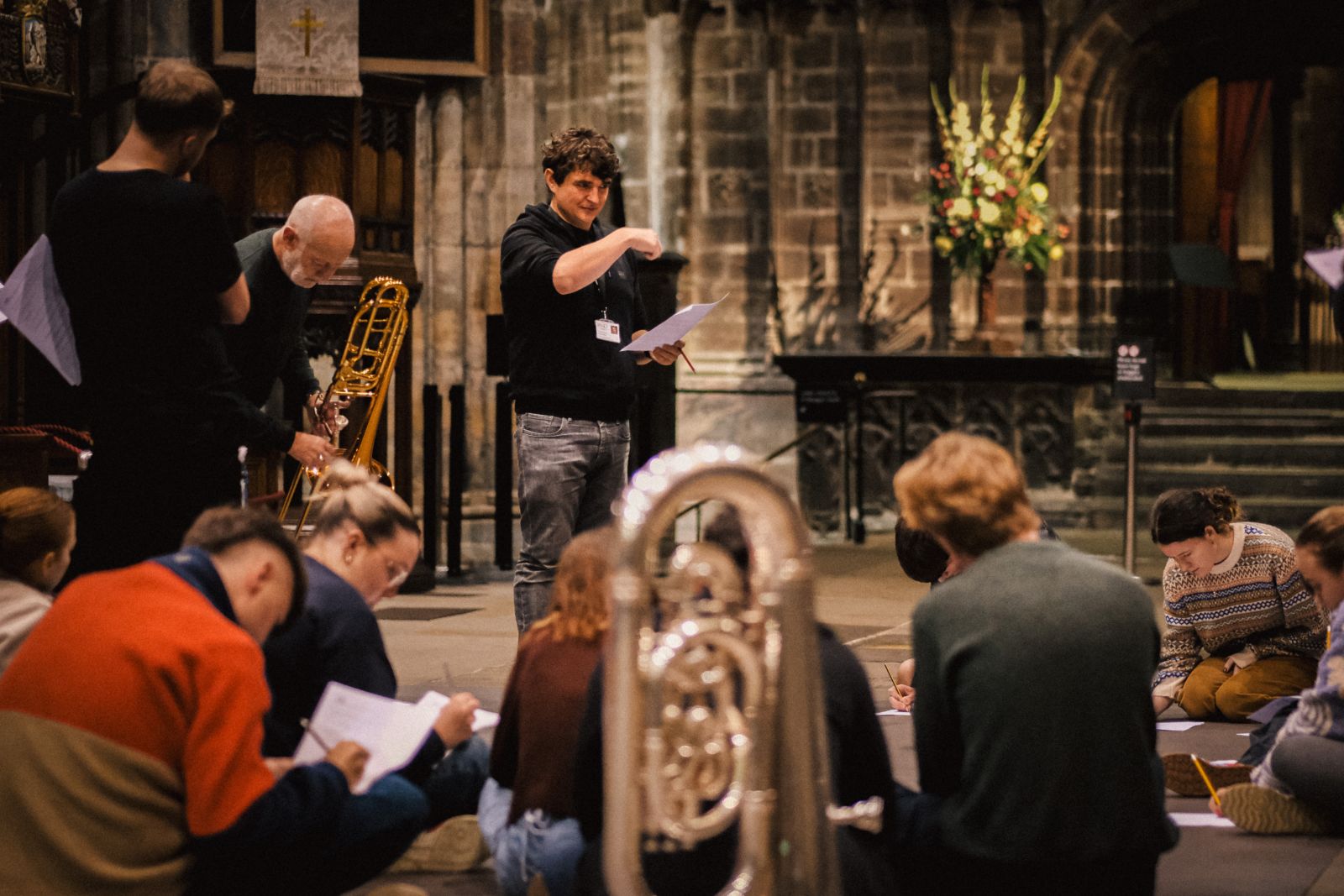
It may only last four days, but Glasgow Cathedral Festival is packing quite the punch with its expanded programme this year. Celebrating ten years of bringing music, film, talks and tours to Glasgow’s oldest building, the opening concert turns the festival’s magnificent home into as near to a Faroese sea cave as you’ll ever get in Glasgow. Echoes In Stone And Brass is led by trombonist Dávur Juul Magnussen, who grew up with the world’s largest sea cave as one of his local concert halls, albeit one with a reverberation like no other.
‘Klæmintsgjógv is something like 600 metres long and 50 metres high,’ he says. ‘It’s sort of cathedral shaped and suits brass instruments really well.’ In recreating the cave in Glasgow, some sound trickery comes into play with musicians making a live echo as they perform and a gentle bit of reverb being used. ‘It’s not the real thing,’ says Magnussen, ‘but it makes for similarly interesting effects. In the cave, you have to play quite loud, but in the cathedral you can go quiet.’
Another advantage is the cathedral’s organ, played by artistic director and organist Andrew Forbes. Other artists taking part are from the cathedral’s choir, Wagner tubas from The Rookh Quartet and fellow Scottish orchestral trombonist, Cillian Ó Ceallacháin. Much of the music will be improvised, alongside material composed by Magnussen himself, a new commission by Neil Thomas Smith and Claire McCue’s ‘Stalactites’, scored for two trombones and chorus, and first heard in 2024.
Glasgow Cathedral, Thursday 17–Friday 20 September; picture: Andrew Forbes.