Emma Frankland on No Apologies: 'Nirvana never played Glastonbury, but I did'
Kurt Cobain has been reshaped into a trans icon for Emma Frankland’s audacious and powerful theatre piece. Kevin Fullerton spoke to her about Cobain’s enduring cool, Nirvana’s progressive ethos and the need for hope in the trans community
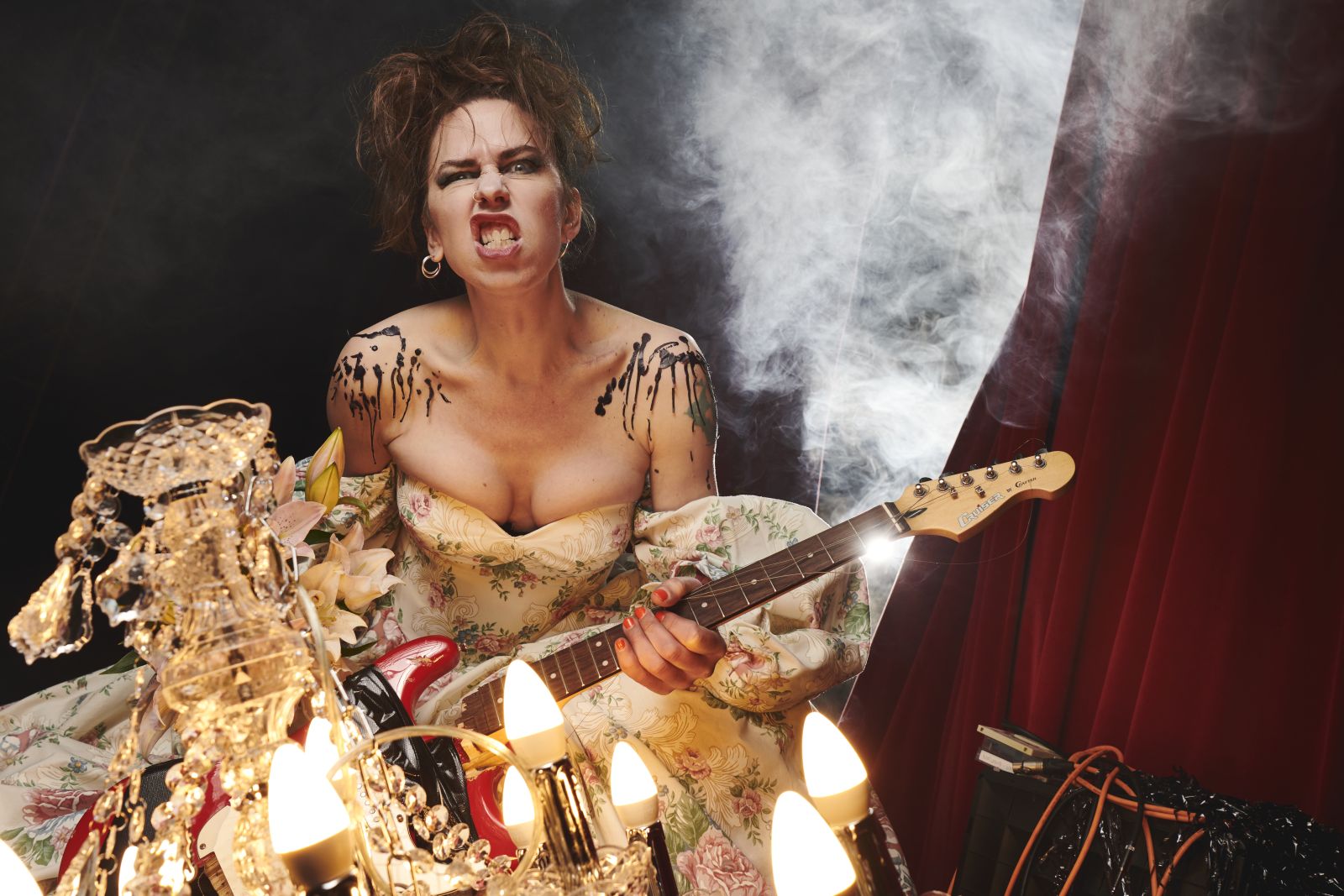
On 16 April 2025, the Supreme Court altered the definition of ‘man’, ‘woman’ and ‘sex’ to exclude trans people and refer strictly to biological sex assigned at birth. That same evening, performer and theatre maker Emma Frankland premiered her show No Apologies, a theatre-cabaret hybrid which uses her hero worship of Kurt Cobain to interrogate the rejection and exclusion of trans people from their own narratives. ‘Kurt Cobain was trans,’ she declares at the top of the show, using she/her pronouns for this grunge icon. It’s a knowing provocation for those who’ve mistakenly attached a macho narrative to Cobain. But it’s also a ‘what if?’ scenario filled with potential for Frankland, a trans woman who grew up at a time when binaries were rigidly policed and trans heroes were non-existent.
The foundations of this play were built from a ten-minute piece Frankland wrote as part of a commission by Marlborough Theatre for Brighton Trans Pride Week. Inspired by a Reddit thread speculating that Cobain may have been trans, Frankland began to see how her experiences as a trans teenager dovetailed with Cobain’s battered disaffection. Her monologue proved resonant enough to go on tour. ‘Nirvana never played Glastonbury, but I did!’ she jokes. ‘Then I was thinking about making something longer form again and what that would be. With everything happening at the moment within the UK trans community, like the fact that young trans people are taking their own lives out of desperation, I thought I could never really get into a lot of stuff around Kurt’s life of addiction and suicide in a ten-minute cabaret piece, and obviously that’s very much a part of that story.’
Having worked in autobiographical theatre before, she knew the power that personal experience wields. ‘The more specific you are about your own journey, the more it allows an audience to think about theirs,’ she explains. ‘If I’m talking about me when I was 14, everyone in the audience is thinking about themselves at 14. And there’s something so strangely universal about Nirvana and Kurt. Even people who weren’t alive like I was in 1993 still come to that music when they’re teenagers. My son’s 14 now and he’s listening to it with his friends. Whether we perform this show in Germany or across the UK or in the Balkans, this band still has such a visceral connection to people.’
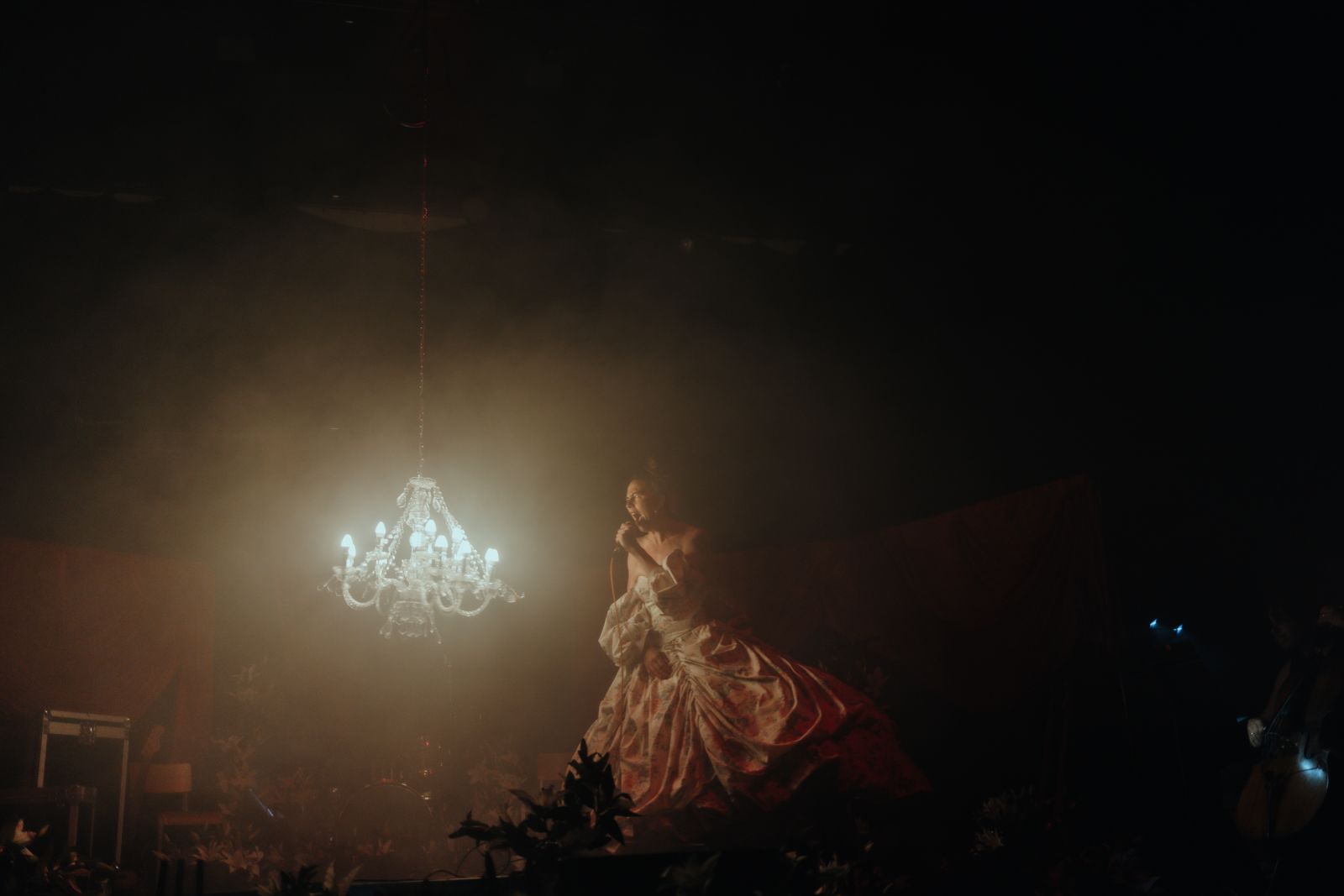
Frankland performs as Cobain during the swansong of his career, taking to the stage for the now legendary MTV Unplugged gig in 1993, recorded five months before he took his own life. Though by no means a tribute show, the meticulous staging and costuming of No Apologies (replete with romantic candles, a palatial chandelier, Cobain’s shopworn cardigan and punk-infused interpretations of Nirvana’s most powerful songs) bear the sad clarity of a final photograph. For many, Frankland included, that Unplugged session is a snapshot of effortless cool that allows countless generations of teens to project their ideals onto him. ‘Unfortunately, part of growing old is eventually outliving your ideals,’ opines Frankland. ‘I mean, hopefully some of us get more radical as we get older, but because of the tragedy around Kurt’s life, he didn’t have that chance to disappoint everybody, and so can remain that young, disaffected voice. There’s a real draw for young people in that authenticity.’
Despite delving into the annals of music history and into Frankland’s own conflicted teenage years during the 1990s, the real backdrop of No Apologies is contemporary. As trans people fight for the right to exist, the urgency of hearing their voices has become ever more vital. ‘As a trans person who makes theatre, wouldn’t it be glorious to not have to feel like making something that speaks to the political climate around trans lives?’ laments Frankland. ‘I desperately wish that things would change and be different for the trans community. And the message of No Apologies for a cis audience member is to feel what we’re going through, feel the ways in which you can be an ally. And there’s also a message for a trans audience member: know that we are in this together. What has existed as long as trans people is transphobia, and that comes in waves. And unfortunately, we’re living through a very damaging wave and it is killing people.’
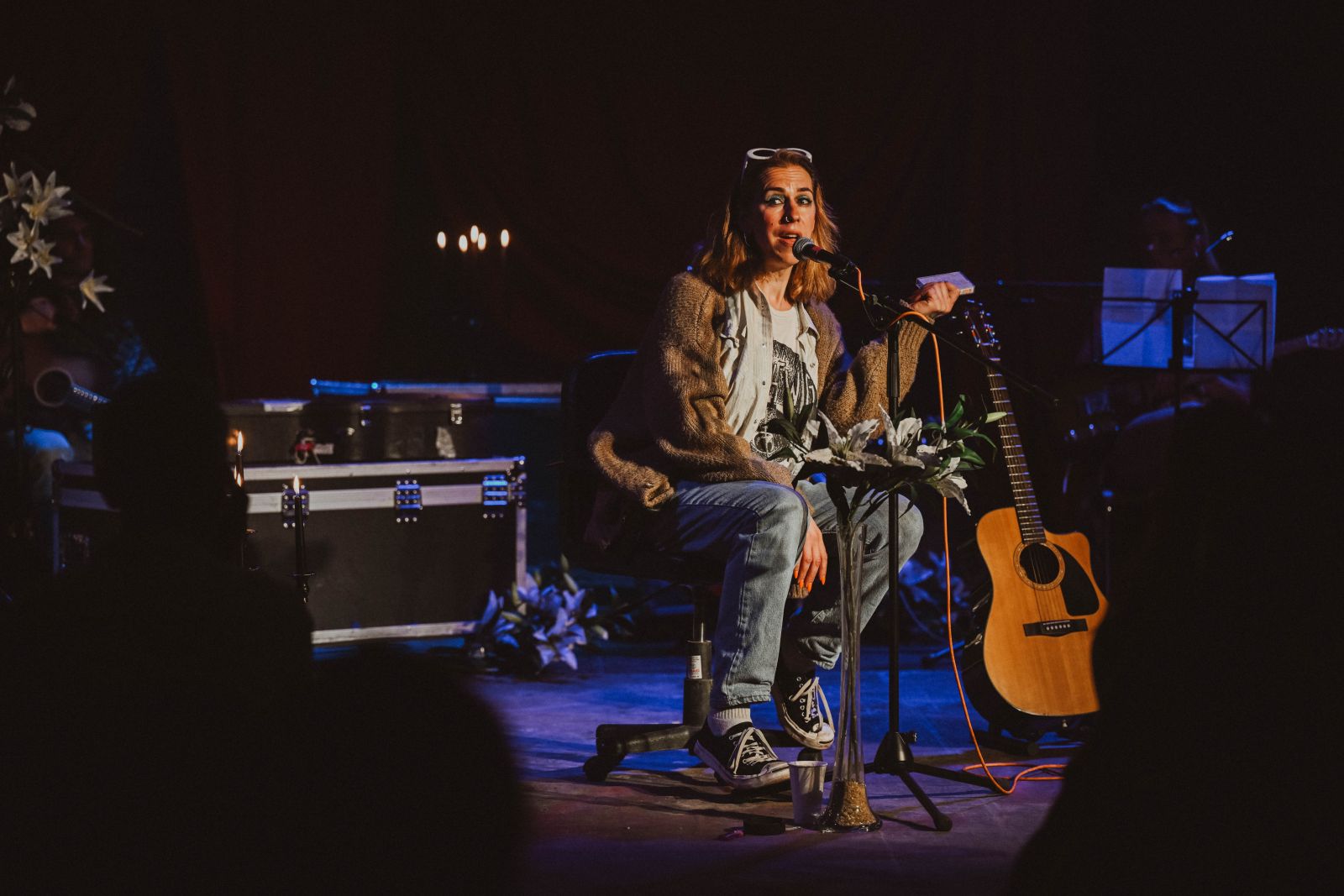
What’s striking about Cobain, particularly during a time when the machismo of Pearl Jam or Guns N’ Roses’ cock-rock guitar wagging dominated the mainstream, is how much he championed equality both inside and outside of his music making. As those Reddit threads attest, it isn’t difficult to imagine him as a trans ally if he were alive today. ‘First and foremost, Nirvana were a feminist band,’ Frankland states, ‘And that was at a time when male-fronted bands weren’t feminists. That was not the politics of the time. Kurt Cobain was really fronting his anti-racism, his support for the LGBTQ+ community, his support for women’s rights. Nirvana were unusually radical. There are artists speaking out nowadays too, but at great cost.’ The unavoidable tragedy of Cobain’s life and of the suicide of many trans people makes No Apologies an intense affair, but Frankland insists there are glimmers of light for anyone who comes to see it. ‘I’m trying to shake people up, but I also want to give that pathway to hope somehow. Hopelessness is what they want us to feel.’
No Apologies, Traverse Theatre, Edinburgh, Thursday 12 & Friday 13 November; main picture: Matt Crockett.