Helen Sharman on becoming Britain's first astronaut: 'We could have damaged our spacecraft and never returned to Earth'
In 1991, Helen Sharman became Britain’s first ever astronaut. Ahead of her Edinburgh Science Festival appearance, she reminisces with Lucy Ribchester about arriving in Soviet-era Moscow as the Berlin Wall came down and warns of the continuing need for global cooperation in space exploration
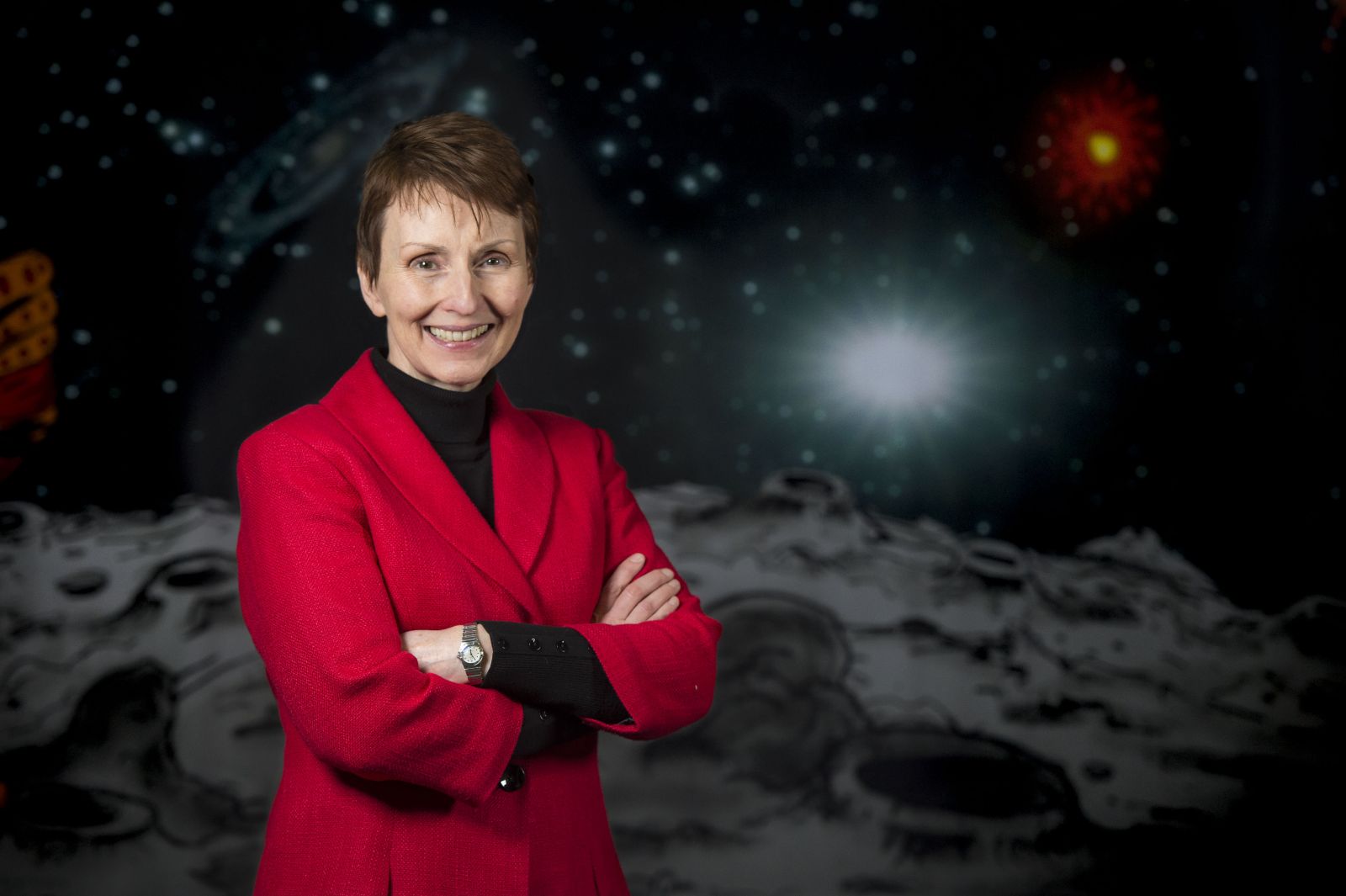
Helen Sharman is reliving over Zoom how she came to blast off into space in a Soviet Soyuz rocket, spending an eight-day-mission orbiting Earth and visiting the Mir Space Station. This adventure of a lifetime all started in typically low-key British fashion with a radio announcement, followed by a telephone call to request an application form. Battling 13,000 other candidates to become the country’s first ever astronaut, Sharman had to demonstrate proficiency in STEM, languages and manual dexterity before passing the first stage.
‘Gradually we got whittled down,’ she recalls. ‘There were medicals and psychological tests and a centrifuge, some space motion sickness tests.’ Eventually Sharman and one other applicant were selected for training, but it wasn’t until three weeks before the mission launched that she was told she had been chosen as ‘prime’, with the other trainee (Timothy Mace) providing ‘back-up.’
Preparation for space was one thing, but first Sharman had to learn to speak Russian and acclimatise to life in the Soviet Union which, until shortly before the mission project, had been closed to westerners. It was only a few days after the Berlin Wall fell in November 1989 that Sharman arrived in Moscow. She undertook her training in Star City, a military base north-east of the Russian capital. ‘The people there weren’t that excited about the Berlin Wall,’ she says. ‘They had heard of it, but it certainly wasn’t big news like it was for us. And of course, their news was still filtered through the Soviet system.’
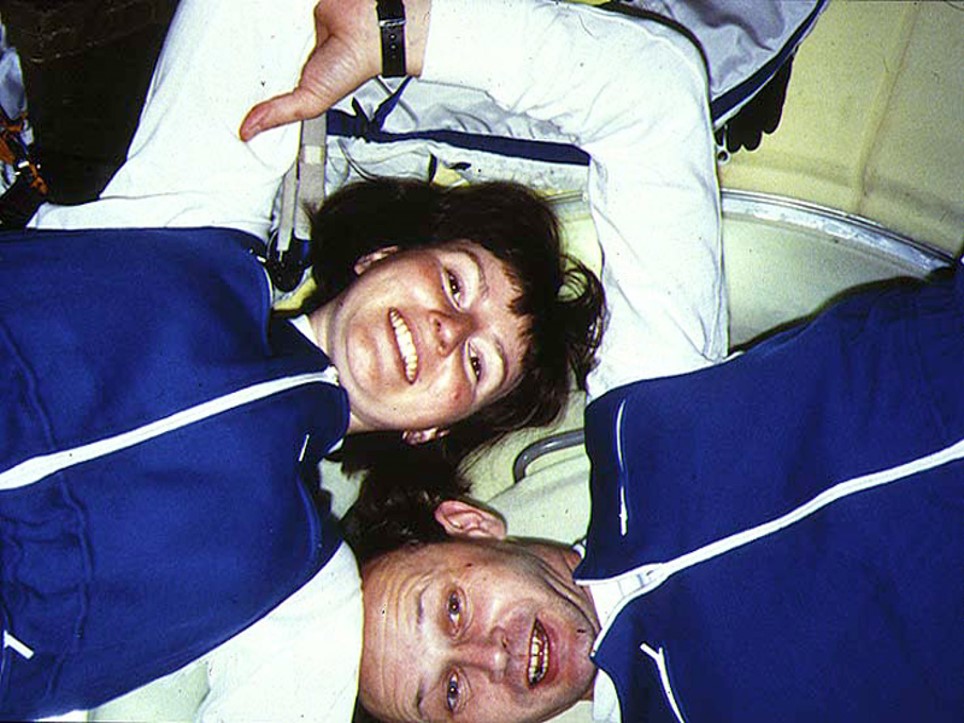
While Soviet life was isolated outside the base, she found a convivial atmosphere among the military crew. ‘They had been on the Interkosmos programme, so they were quite accustomed to foreigners,’ Sharman notes. The project brought together a mixture of nationalities: the Cuban astronauts would regale them with tales of their young families, while the Austrians brought a state-of-the-art coffee machine. They all had a ‘tea bar’ where they would converge at breaks for black tea and ‘thin bits of lovely Russian salty rye bread that they toast and dry so it lasts forever’.
There was purpose, however, to all the camaraderie and bonding. In space, slick teamwork is a matter of life and death, as Sharman discovered when, on arrival at the space station in 1991, a problem with their craft meant it couldn’t dock automatically. ‘We had to do a manual docking. Each of us trusted that we all had a role to play.’ She was in charge of operating a periscopic camera, so the commander piloting the craft could see where he was going. ‘We trusted each other with our lives because if we had smashed into the space station, we could have damaged our spacecraft and never returned to Earth.’
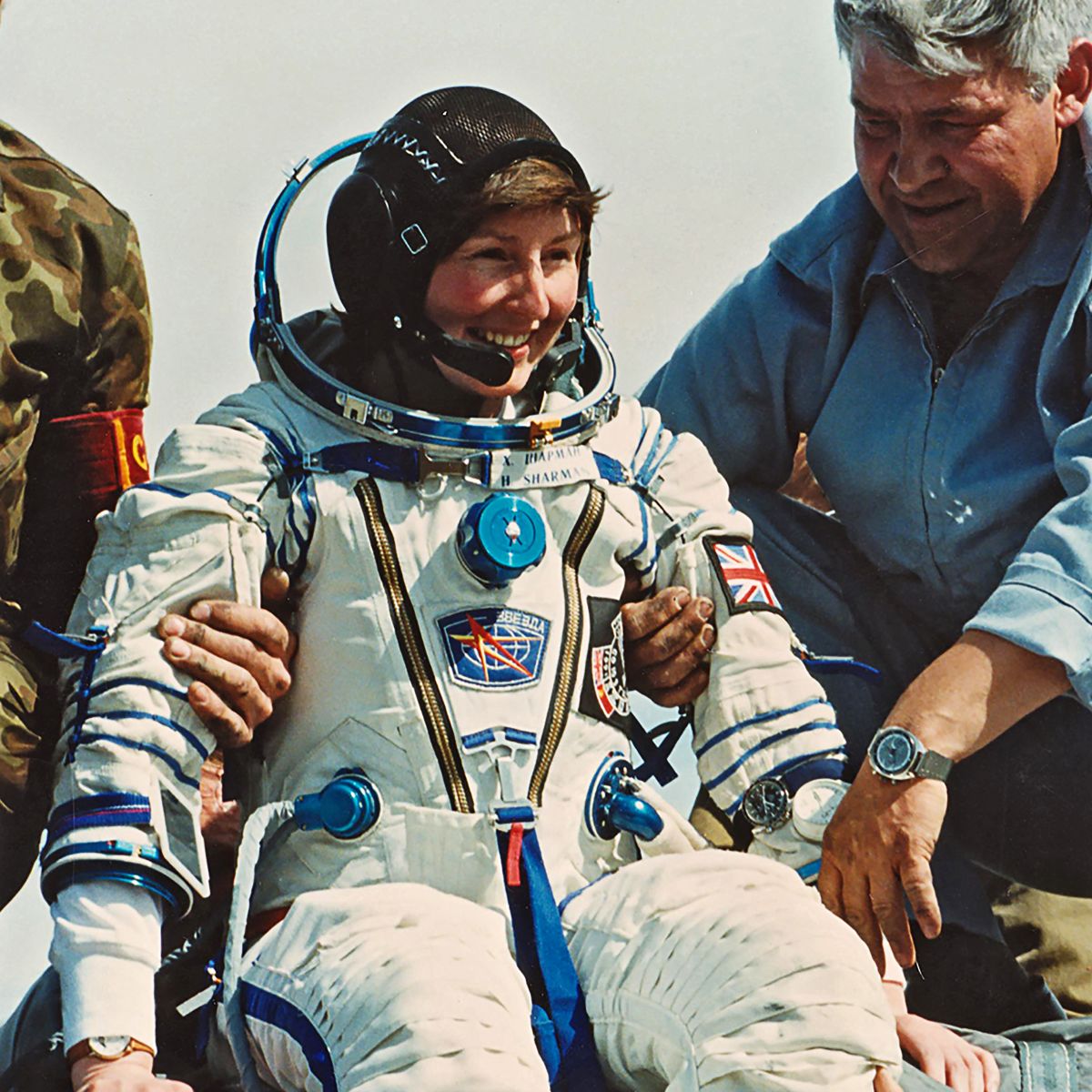
Sharman keeps in contact with her old Soviet colleagues via email and WhatsApp, and through attending an annual congress for astronauts, although the Russian cosmonauts have found it difficult to travel in recent years. She believes firmly that international partnerships are crucial for responsible space exploration. ‘We need to use those resources wisely. It’s not just the collaboration; it’s also the cooperation.’
She cites as an example the contemporary interest in lunar exploration, not just from nation states but commercial enterprises too. ‘We need to make sure that we don’t just go to the moon and establish what we want to do wherever we want it, because that might be the only part of the moon where some really brilliant science could be done by somebody from another country.’
An Evening With Astronaut Helen Sharman, Usher Hall, Edinburgh, Sunday 12 April, as part of Edinburgh Science Festival; main picture: National Waterfront Museum Swansea.
Other Highlights at Edinburgh Science Festival
This year’s festival programme is split down the middle with events designed specifically for families and others tailored more towards adults. In the latter camp, the opening gala is First Women Of Science. Host Nicola Sturgeon will be in conversation with the likes of Astronomer Royal For Scotland Catherine Heymans and Janey Jones, author of The Edinburgh Seven, which revolves around the group of women who first tried to study science in the capital. In Arctic, Antarctic… And A Dash Of Mars, Niamh Shaw, the European Space Agency Champion In Space Education, discusses some global adventures which have taken her from Botswana to the Utah desert and, as suggested in the title, Mars.
.jpg)
Other highlights include dance piece Drift which explores the state of our oceans; all you need to know about black holes with Marcus Chown for A Crack In Everything; the Edinburgh Conservation Film Festival; and Adventures In Nature with wildlife photographer and TV presenter Hamza Yassin.
For kids and families, there’s a veritable plethora of events including Splat-tastic which encourages you to ‘get your goo on’ while the Giants exhibition explores the huge creatures that existed after the dinosaurs bade us farewell. The Quantum Zone invites you to get fully hands-on with the latest tech in that particular branch of science, and you can have a blast in the Journey Into Space Storytelling session. The good folk at Royal Botanic Garden Edinburgh will open your eyes about plant life via World Of Wonder and Plant Passport, and there’s a chance to stick your lab coat on and help fight germs in Body Defenders.
Edinburgh Science Festival, Saturday 4–Sunday 19 April.