John Maclean on Tornado: 'There’s something about children’s literature that suits the directness of cinema'
Director John Maclean has created a Scottish samurai film with his sophomore movie, Tornado. Maclean talks about subverting the period drama, the unusual role kids’ books have played in his work and what direction he’s heading in with his next project
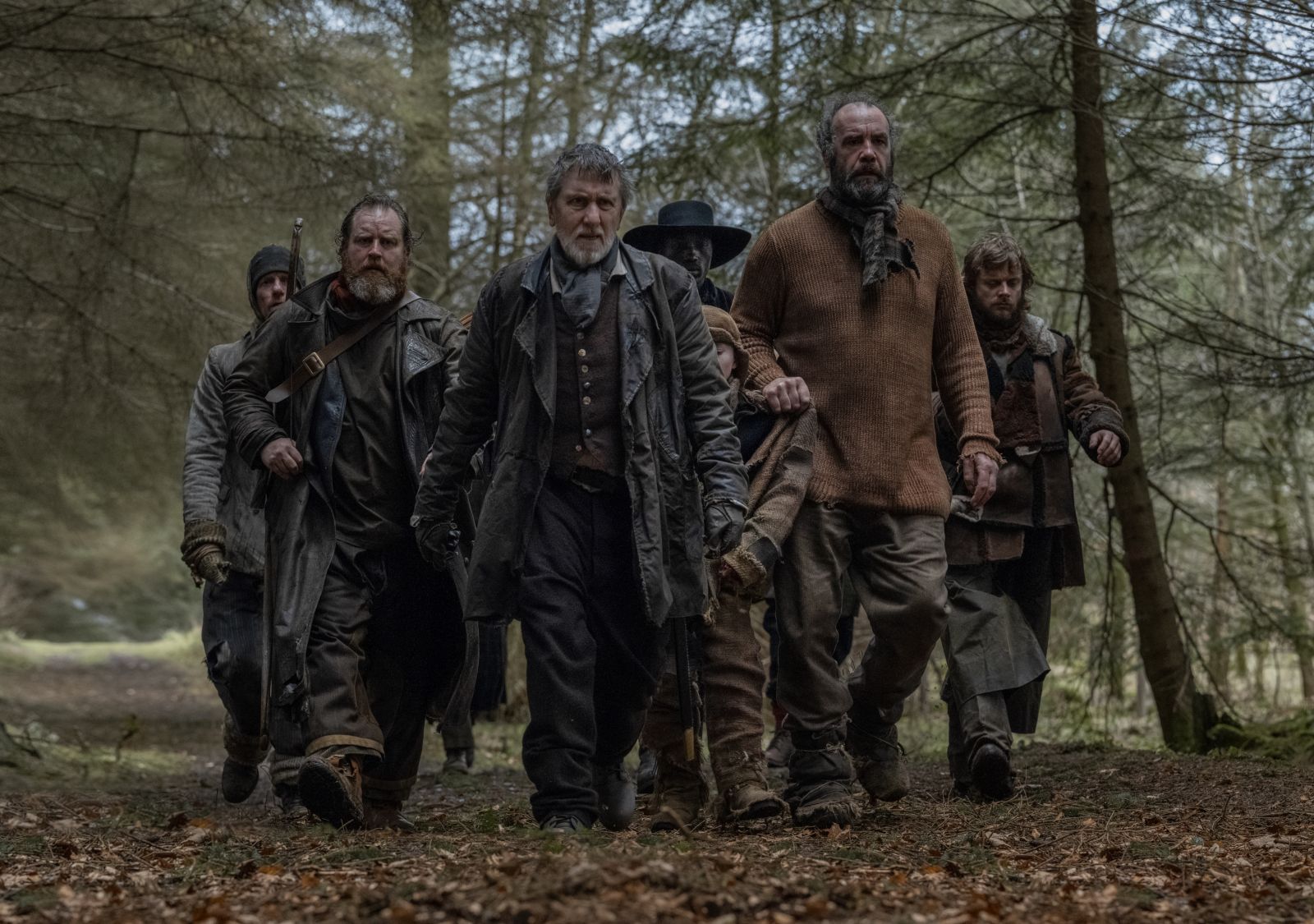
After a successful career with musical mavericks The Beta Band, John Maclean’s irreverent debut feature Slow West turned the American western upside down with a dash of pawky Scottish humour. Maclean’s follow-up, action thriller Tornado, is an equally offbeat proposition: a period samurai story set in Scotland circa 1790. Featuring Tim Roth, Jack Lowden, Takehiro Hira, and singer Kōki as the title character, unlikely influences on Maclean’s project somehow include the 1872 classic children’s novel What Katy Did.
‘When I was trying to write the character of this young girl, I would soften her, and Kate Leys, the script editor I work with, said “no, young girls are tough, you should read What Katy Did.” I wanted to nail that brattishness and stubbornness of a young girl,’ says Maclean. ‘The great thing about kids’ books is that they can nail the economy of the setting. For Slow West, I read the Little House On The Prairie books. There’s something about children’s literature that suits the directness of cinema.’
There’s no existing tradition of Scottish samurai cinema to subvert, so Maclean had to find his own route into Tornado’s narrative, in which a young girl (Kōki) goes on the run after stealing gold from dangerous characters Sugarman (Roth) and his son Little Sugar (Lowden). ‘I’m not Japanese, so I’m not going to be able to tell a story about what it’s like to grow up in Japan, so my way into the story was: I have got a daughter and I have got parents, so I started thinking about my relationship with my dad. He was always wanting to talk to me about the Highland Clearances and things that interested him, and when I was younger I didn’t want to know. I didn’t get interested in that stuff until I was older.’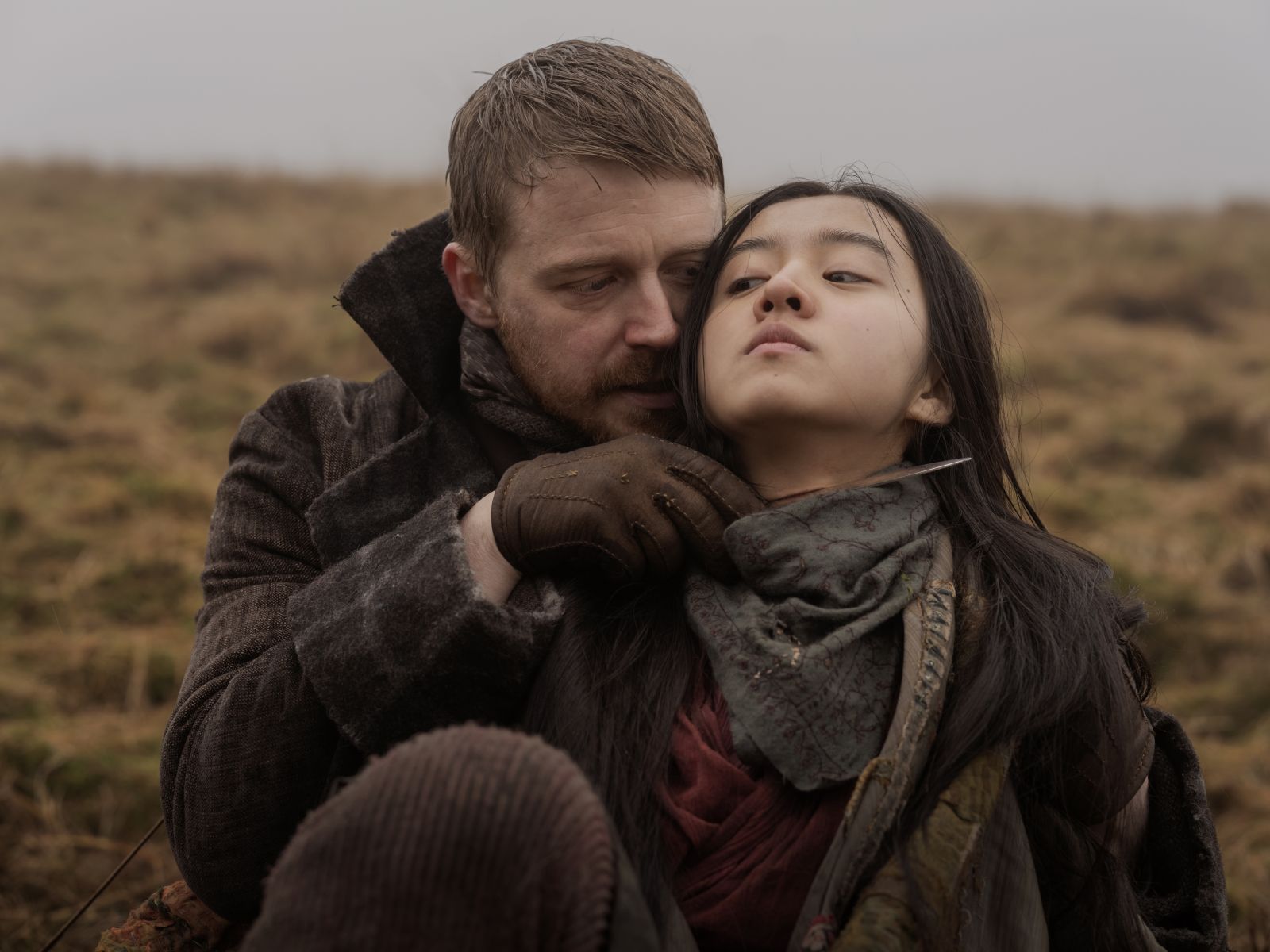
So Maclean thought about a Japanese man wanting to hand down knowledge about being a samurai and what he’s learned, trying to pass it on even though Tornado doesn’t want it. ‘But whatever it is that he teaches her, it makes her steal the gold. That frustration between generations is also there between Sugarman and Little Sugar; both kids probably just need a bit of love and they both try to solve their problems by stealing. So Tornado is as much about family dynamics as a straight samurai film.’
Tornado and her dad have their own travelling puppet show, but he can’t protect her from Sugarman’s gang; the odds are stacked against the innocents in a deadly cat-and-mouse game. Should audiences see this as a revenge story? ‘I let the marketing people do that kind of thing. It’s hard enough to get people into the cinema, so you just roll with what they say. I’m just grateful that Lionsgate are a super enthusiastic company who want to get Tornado to an audience. To me, Tornado is just someone who has made a mistake. Everyone who she tries to get to protect her dies, so it’s more about her survival. That seemed stronger to me than just “you killed my father, now I’m going to kill you.”’
Tornado starts at the midway point of its story with the characters chasing frantically inside and outside a desolate, empty country house (those scenes were filmed around Arniston House near Gorebridge, North Esk Reservoir, Penicuik and Newhall Estate). Like Slow West, which was set in 19th-century Colorado, Tornado has a fresh look, evoking a hard-scrabble life in an outsider community.
For Maclean, the unfamiliarity of the situation is a strength. ‘I felt that period films in Britain were always about class or country houses. I wanted to do one that was about outsiders, erosion and collapse. There’s this rotting house, these houses are expensive to maintain, so I wanted this one to be on its last legs… it’s definitely an un-Hollywood version of life.’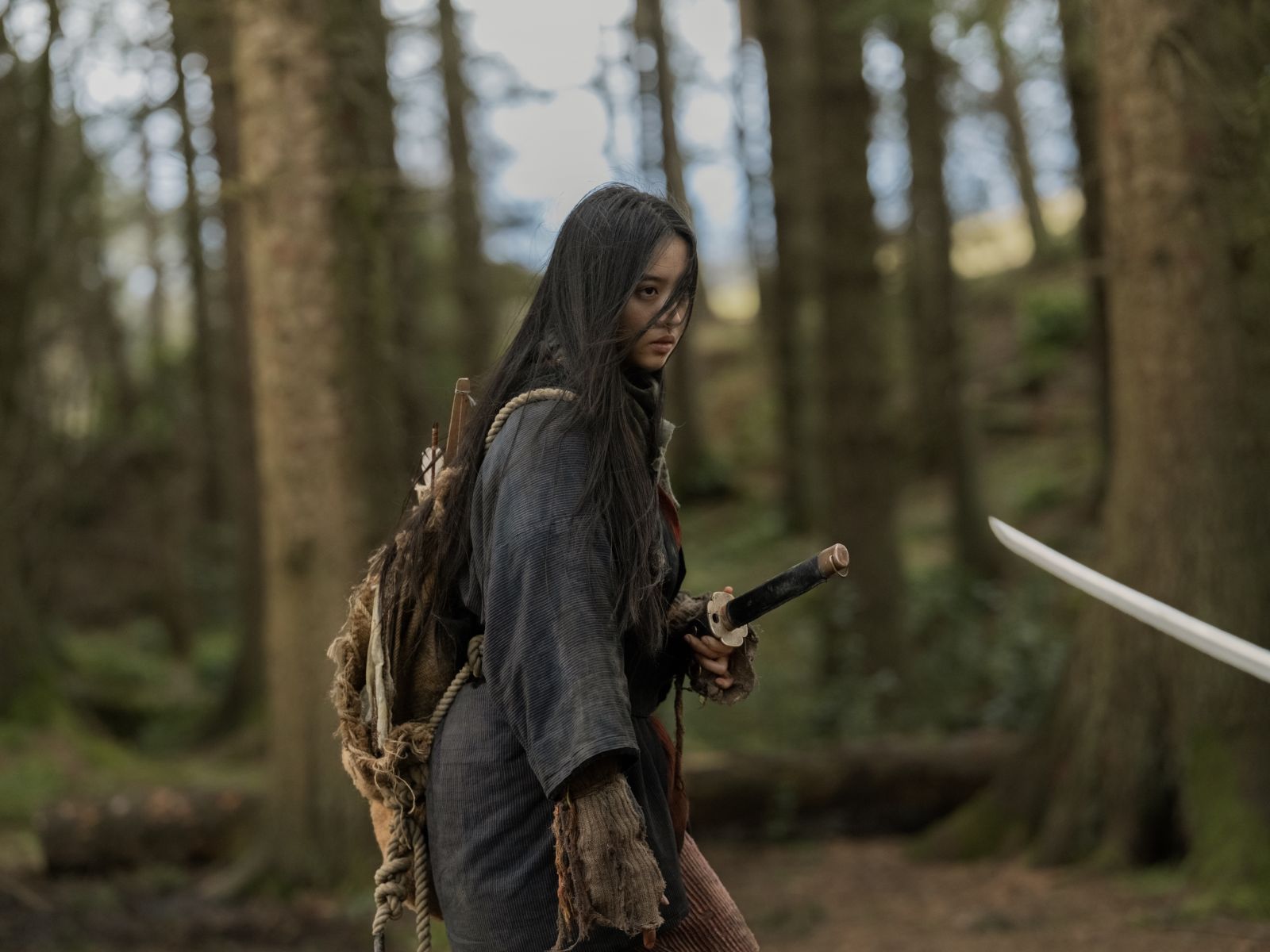
Also, Maclean didn’t want his troupe of entertainers to be fire-eaters and jugglers. Instead, he envisioned them as poets and folk artists. ‘You might say it’s revisionist, but I see it as truthful. These people weren’t skilled in anything but trying to get by. And the bandits aren’t so much bad people but trying to survive like everyone else. It’s a subversion of period drama. When I set it in 1790 and started talking to the costume department, we realised there was a lack of visual reference points. These are not peasants, nor are they people who wear powdered wigs; we wanted to imagine what real outsiders might be like. British films don’t often go widescreen that much, but our cinematographer Robbie Ryan helped me shoot on 35mm film, and we had a short 25-day shoot: very fast, one take and move on before it’s dark at 4.35pm. I wouldn’t change that way of working, and everyone liked the speed we worked. You get that vibe from watching the film; the energy is always up. If we had 50 days to make it, it would have been detrimental to that energy.’
So what are his hopes for Tornado when paying customers get to see it? ‘I hope audiences can find depth in the film’s simplicity. We don’t have huge exposition or back stories like television shows these days. This is more like a Clint Eastwood western; all you really know about these people is how they react on screen, so there’s room to allow you to come up with some of your own theories.’
And what about Maclean’s next move once this cinematic whirlwind has passed over the country? ‘I’m back to the Barrowlands with The Beta Band later this year, and I’m just starting to write again… watching films and reading books to research something contemporary, maybe in the crime genre. I’ve explored my love of western and samurai films, and now I’d really like to make a film noir.’
Tornado is in cinemas from Friday 13 June; read our review; The Beta Band play Barrowlands, Glasgow, Thursday 25 & Friday 26 September.