Finn den Hertog on the freedom of physical theatre: ‘Picking up a cup can be a dance’
Hollywood loves a good old end-of-days blockbuster. Now, through physical theatre and captivating visuals, Scottish ensemble Groupwork bring us the true tale of a 1950s US cult which was convinced that Armageddon was coming, as Dom Czapski discovers
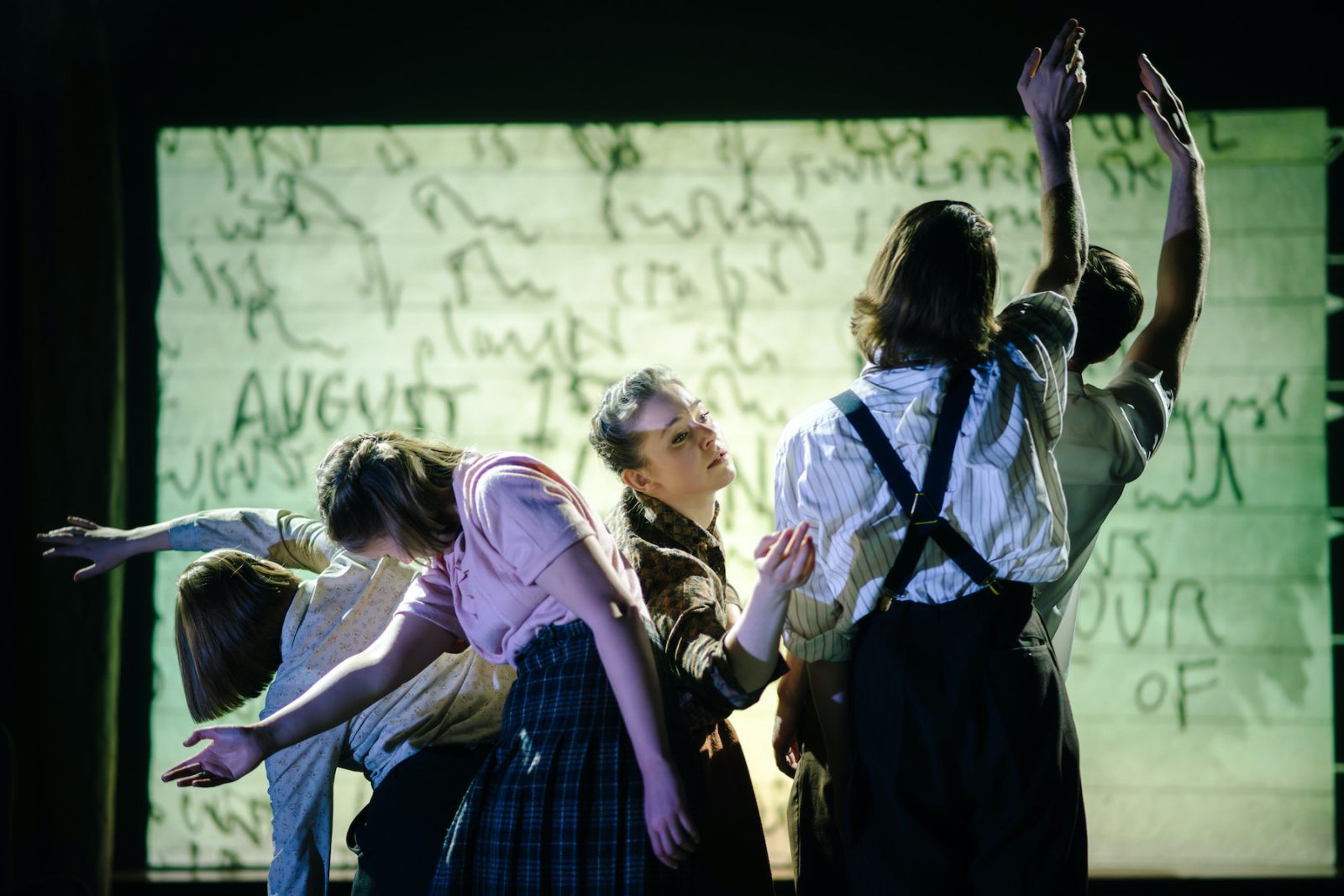
At some point in recent history, thanks to documentaries streamed by American entertainment conglomerates, the inner lives of doomsday cult followers entered into public consciousness. ‘I think it’s always felt like the end of the world, for whatever cult, whatever time you’re living through. It’s become a bit of a meme to go, “we’re living through the end times”,’ says Finn den Hertog, co-director of dance theatre ensemble Groupwork. Still, is it challenging to humanise cult followers? ‘What we don’t want people to think is that they are crazy,’ insists co-director Vicki Manderson. ‘We want people to think that what they believed is maybe true.’
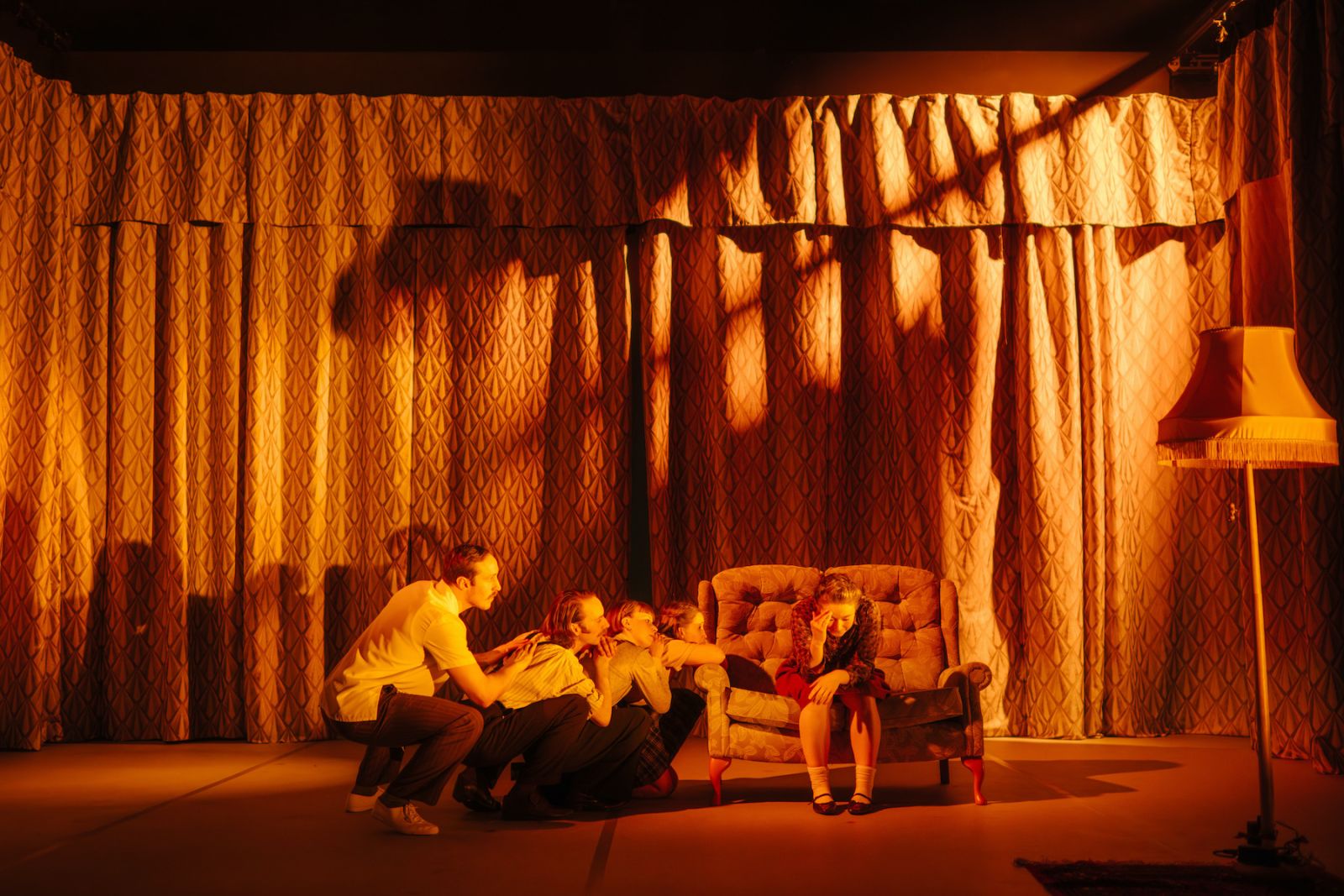
In 1954, a New Age spiritualist from Chicago called Dorothy Martin told her followers (a group called The Seekers) that on 21 December the entire world would be submerged by a gigantic flood and a flying saucer would come to rescue them. The flood, of course, never came (spoiler: neither did the UFO). Social psychologists studied the group, which led to the publication of a seminal book that lends its name to Groupwork’s latest show, When Prophecy Fails.
The study famously found that the most devout cult members grew more convinced of the prophecy and it established the idea of cognitive dissonance (the psychological balancing act of holding contradictory beliefs). Although written back in the 50s, to Manderson and den Hertog, the concepts it describes remain relevant today. Given their ensemble’s idiosyncratic and multidisciplinary way of working, the otherworldliness of the subject material felt like an asset. Unusual casting is part of it: unlike other dance theatre companies, the performers are primarily actors who dance.
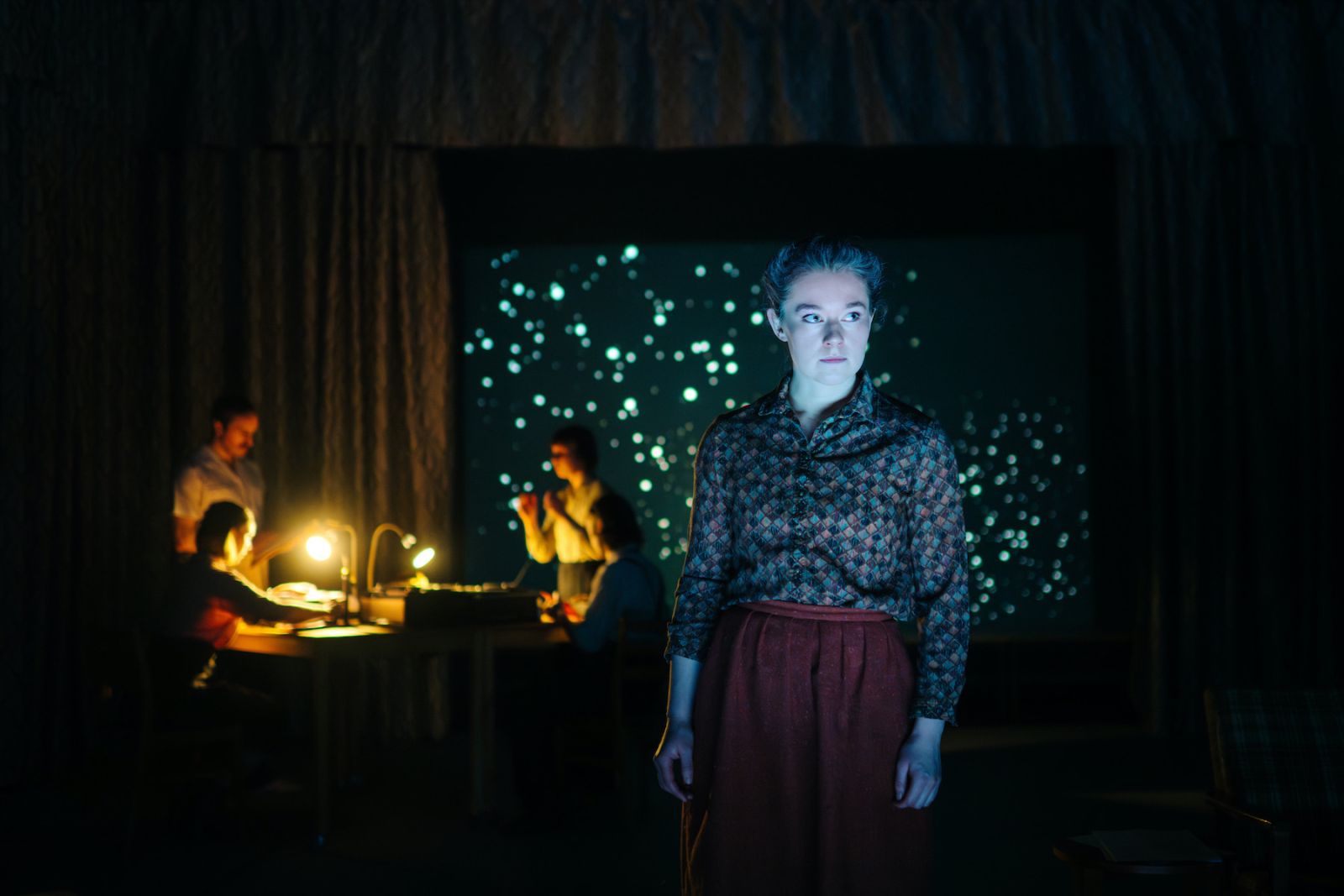 ‘When I got into theatre and saw how actors moved, I was really excited by it,’ says Manderson, who also choreographs the show. With actors, she explains, ‘I’m getting more of a story, not just, you know, how high is my leg.’ To den Hertog, the drama is in those liminal moments. He tells how, working on the play Lear at Pitlochry recently, he remarked to an incredulous stage manager how much he enjoyed the scene changes, almost more than the scenes themselves.
The pivotal place of imagery is reinforced by the script and visuals of Groupwork’s third co-founder, Lewis den Hertog, which underscore the show (there is text in the piece but almost no spoken words on stage). ‘I think you would be straining the definition of dance to call it dance,’ suggests Finn, ‘but that’s the beauty of it. Someone just walking across the space and picking up a cup can be dance. It has an electricity to it. And I think that’s where our work lives’.
When Prophecy Fails, Studio Theatre, 27–29 August, 7.30pm; 29 August, 2.30pm; 30 August, 5.30pm.