Marian A Aréchaga: 'Independent auteur cinema is now practically invisible in our country'
Maixabel
Cinema worldwide seems to be on the verge of a nervous breakdown. With a post-pandemic downturn in cinema attendance, plus domestic legislation that has deeply impacted independent movie makers, the Spanish film industry is feeling the same pressures as the international box-office in general. Yet despite these difficulties, this year’s Edinburgh Spanish Film Festival finds plenty of vibrant features, both fresh and vintage, for audiences to celebrate, including a tribute to director Bigas Luna of Golden Balls fame, plus a showcase of films about 20th-century Spanish and Latin American women.
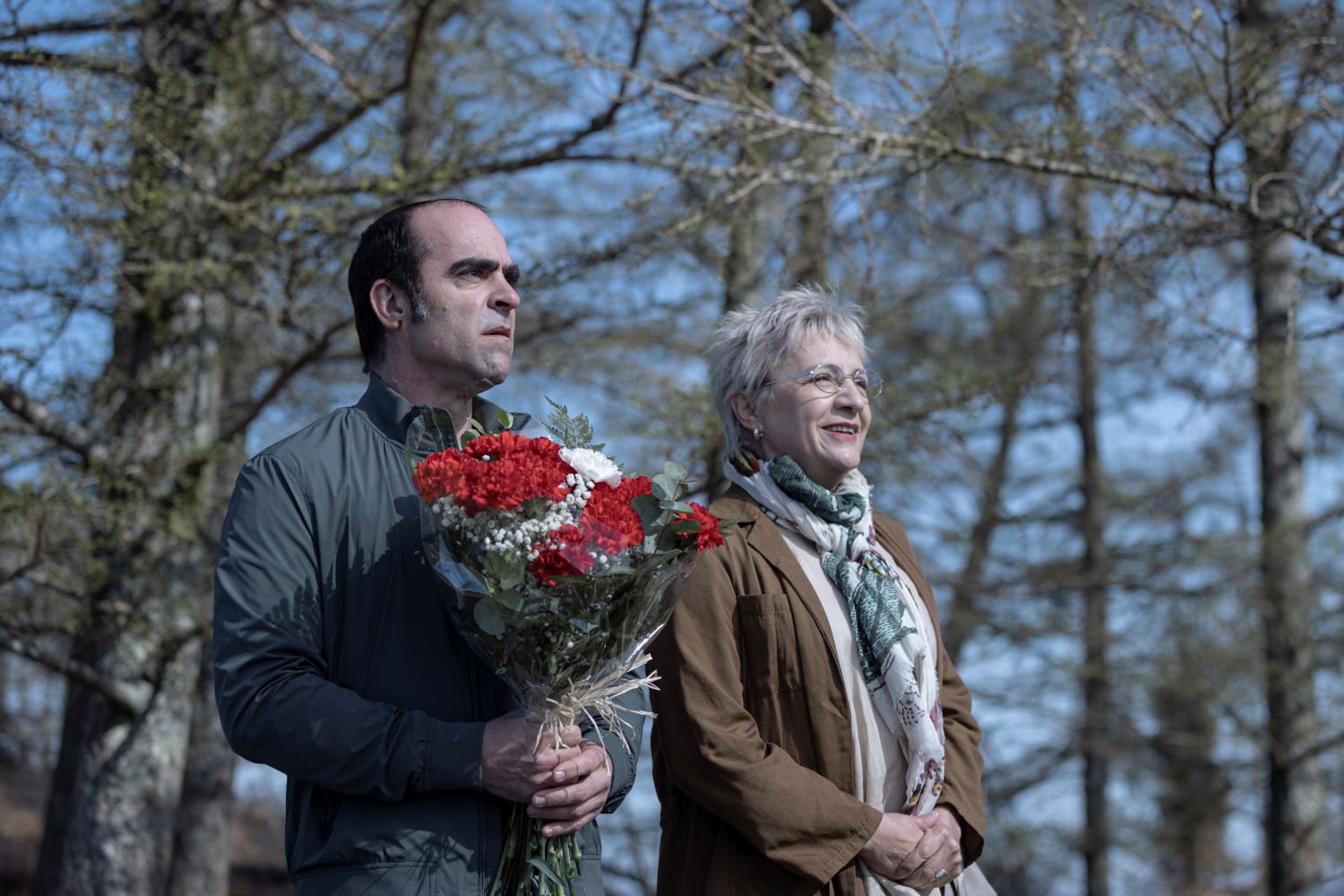
Among the visiting talent is Icíar Bollaín, partner of Scottish screenwriter Paul Laverty, who returns with opening night film Maixabel, a drama based on the true story of Maixabel Lasa. Lasa’s husband was killed by ETA (the Basque separatist group), and she sought out a meeting with the man responsible. It’s an undeniably controversial subject, but one Bollaín was keen to tackle head-on. ‘I was approached by two producers, Koldo Zuazua and Juan Moreno, who had it in mind to tell Maixabel Lasa’s story and proposed it to me and co-writer Isa Campo,’ says Bollaín. ‘I was totally struck by the idea that someone can be ready to meet the people who have hurt them most, that people so far from each other were capable of sitting together and listening.’
Bollaín was taken aback by some of the reaction to her film. ‘We were actually surprised to find that not only critics but also editorials from right-wing and left-wing newspapers alike were welcoming the film as “necessary”. It got a great reaction among the audience too; the film was seen by over half a million spectators despite restrictions.’
Song Without A Name
With over 20 features in the programme, including mainstream hits like Carla Simón’s Golden Bear-winner Alcarràs and Juan Miguel del Castillo’s thriller La Maniobra De La Tortuga, Bollaín says it’s still vital that such films can reach the general public on the big screen. ‘I do think cinema still has enormous power to communicate stories in a very deep way. There is a concern about how history is going to be told, but because of people like Maixabel, what happened doesn’t get idealised.’
Bollaín hopes that her film handles that story with a strong sense of truth and can also have a positive effect by showing the devastating consequences of such brutal and senseless acts. ‘Violence affects the victims, obviously, but also the perpetrators, and leaves a deep mark in the society where it occurs. There is a need to deal with all the trauma and pain which violence leaves behind and that’s what the film talks about, through the inspiring story of Maixabel.’
Festivals provide a snapshot of a country and its culture, and the 2022 Edinburgh Spanish Film Festival puts Bollaín’s fresh work in context with other female directors like Carla Simón, and shines a welcome light on new female talent. This year’s programme is the work of festival director Marian A Aréchaga, curating a selection that addresses a big question: is Spanish cinema in good health right now?
El Cover
‘Independent auteur cinema is now practically invisible in our country since recent legislation led to a film industry system that is almost exclusively dependent on the two biggest television companies,’ says Aréchaga. ‘They are the ones who legitimately invest in the products they believe will become huge successes for them. The networks rarely bet on those filmmakers with their own vision; they opt instead in many cases for reliable directors who ensure a product that is as commercial as it is inconsequential. That’s why, when indie directors do manage to get a project off the ground, it’s important to make the work visible both in Spain and abroad, and that’s where a festival like ours becomes important.’
What’s happening in Spain isn’t unique; the whole eco-system of independent, non-blockbuster cinema is currently under threat, with streaming providing precious revenue, but at the expense of cinema production and attendance. Bollaín believes that Spain, like many other nations, has suffered from the same post-pandemic reluctance of audiences to return to cinemas. But she does see hope in the future.
‘There is a very strong presence of female directors and many newcomers that are making a great splash in and outside of Spain,’ she says. ‘What’s going right is that after years of activism and lobbying, we have managed to get some positive action from the Ministry Of Culture to support films with female directors and writers. As a result of that, producers are feeling more inclined to “take the risk” which is resulting in a bigger presence of female filmmakers doing more interesting films.’
Edinburgh Spanish Film Festival runs in Edinburgh, Aberdeen, Glasgow and Stirling, Saturday 1 October–Friday 4 November.