Maureen Beattie on Lear: 'We’re not messing around with one of the greatest pieces of literature ever written'
With Lear, Maureen Beattie takes on a character that is cruel, vain and destructive. Afreka Thomson talks to this star of stage, TV and radio about keeping audiences onside in the face of grim horror and appalling violence
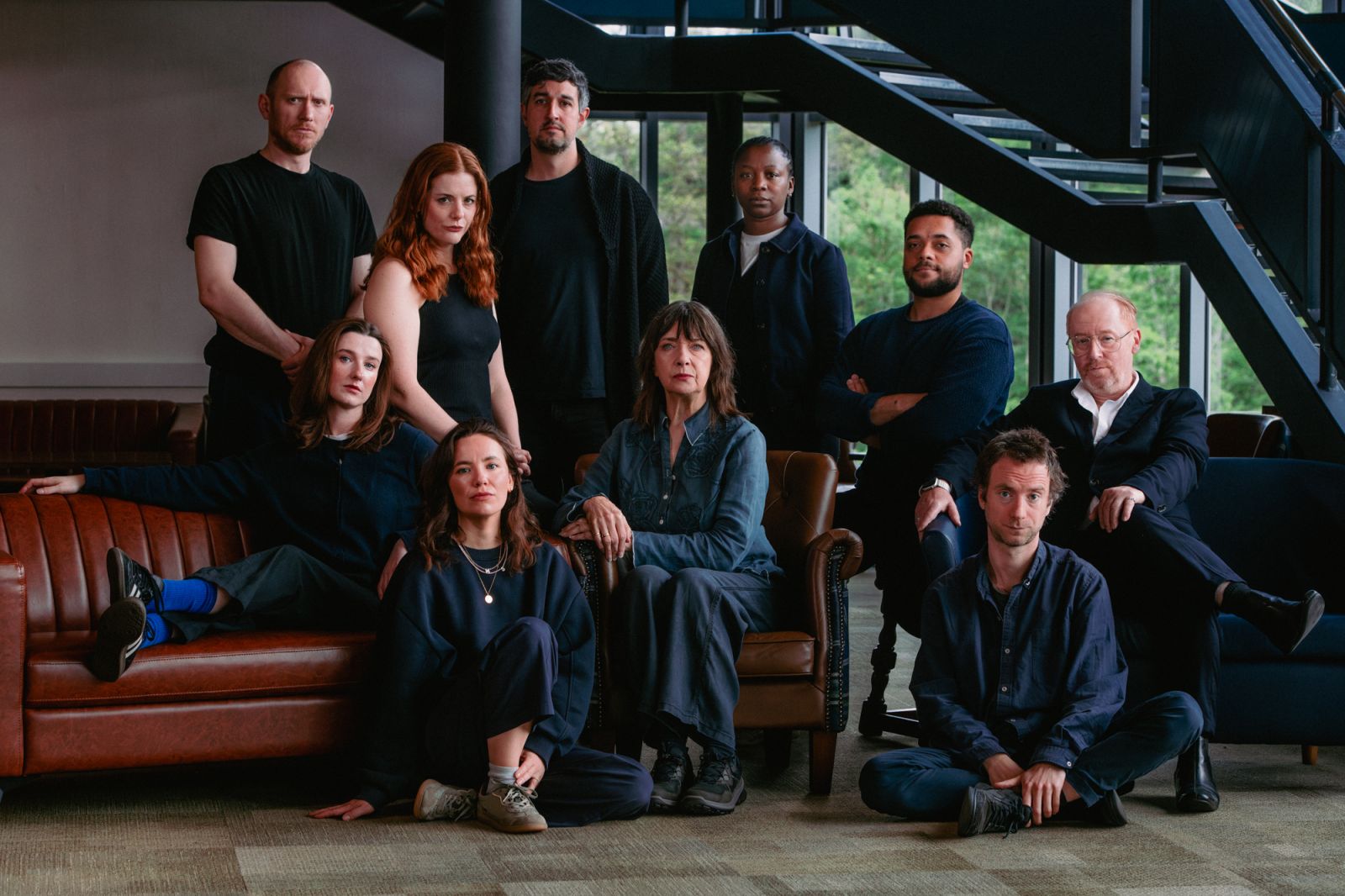
In a wee Highland town, in a rehearsal room just up from Pitlochry Festival Theatre, Shakespeare’s bleakest, most tragic family drama is being brought to life. Outside, the Scottish summer is in full swing and the streets are busy with tourists clutching melting ice-creams, hoping to catch sight of a leaping salmon. Yet inside this little rehearsal room, terrible things are taking place: a mother betrayed by her daughters; a man’s eyes gouged from their sockets; a descent into madness on the moors. By the end of Finn Den Hertog’s interpretation of King Lear, almost everyone is dead.
At the centre of this chaos is Maureen Beattie, an actor whose career has moved between stage, screen and radio, and who now finds herself stepping into one of theatre’s most punishing roles; although not as we know it. ‘It’s a matriarchal society and the women have the power: Lear is a woman,’ she explains.
The change is more than symbolic. In this production, power does not pass from father to daughters; it begins with a woman and stays in female hands throughout. But these changes don’t tamper with the fundamentals of the story. ‘It’s very much still King Lear as written by William Shakespeare,’ she says. ‘We’re not messing around with one of the greatest pieces of literature ever written.’
For Beattie, Lear is another chapter in a career that has taken her from the Royal Shakespeare Company to television dramas and acclaimed radio work. Yet theatre remains her first love. ‘I love radio,’ she says. ‘There’s an alchemy about it. But I think really my heart would lie with theatre.’ The role of Lear is demanding, a journey through rage, grief and disintegration. But rather than find it draining, Beattie seems to thrive on all this intensity.
.jpg)
‘When the work is good, it’s like fuel,’ she says. ‘You get on like a surfboard at the beginning and the play takes you.’ She describes herself as blessed with a ‘sort of preternatural amount of energy’, a momentum that runs through this interpretation of Lear: a woman who once wielded power and is not yet ready to relinquish it, with the production kept deliberately high-octane. ‘It all comes together in the last scene. We’ve just been working on it; and it’s like, my god, we’ll all need to lie down in a dark room after this.’
Even her costume reflects that energy. Lear is well turned out but, as Beattie puts it, ‘could still run for a 49 bus’. This is not a queen fading into irrelevance, but one still ready for action. The challenge lies elsewhere: making an audience understand a character capable of appalling behaviour. Lear can be vain, cruel and destructive, yet the tragedy only works, Beattie argues, if audiences remain emotionally invested. ‘You have to bring the audience. Because if they go, “I don’t like her”, then we’re lost. Audiences are very sophisticated and very intelligent. We have to acknowledge their sophistication.’
Offstage, there is plenty of excitement around the play and what it means for Pitlochry Festival Theatre under artistic director Alan Cumming. ‘I’ve known Alan since he was at drama school,’ Beattie says. ‘He’s passionate about this place and we’re so lucky to have him up here.’ So, with an old friend at the helm and a storm of emotional turmoil to navigate each night, Beattie looks set for a very interesting Highland summer.
Lear, Pitlochry Festival Theatre, Saturday 4 July–Saturday 1 August.