Silence is golden: How HippFest thrives on keeping shtum
As Scotland’s only silent film festival returns for its 15th year, Eddie Harrison dives into the latest HippFest programme and asks why we’re still drawn to the wordless genre in these modern times
Robert Eggers’ smoking-hot remake of Nosferatu is 2025’s break-out hit, taking more than $165m worldwide. Over a century since the release of FW Murnau’s classic, the fact that such a staple of silent cinema can so profoundly influence contemporary filmmaking is a clear tribute to the form. Centred around the refurbished, A-listed Hippodrome cinema in Bo’ness, Scotland’s silent film festival HippFest makes a well-timed return to celebrate its 15th edition under director Alison Strauss. HippFest blends Scottish content with Hollywood classics, plus unique opportunities to see rare European silent films. So why should silent films find themselves back in fashion during the digital age?
.jpg)
Back in the 1960s and 70s, it was their television revival which provided a fresh audience for iconic performers like Laurel And Hardy or Buster Keaton; the former’s Big Business and We Faw Down both screen this year, as does Keaton’s Our Hospitality. For the Friday-night gala, icon Mary Pickford plays a Scottish lass in The Pride Of The Clan, and there’s early work from cinematic greats such as John Ford’s The Shamrock Handicap with an early role for Janet Gaynor from A Star Is Born. There’s an increasing market in screening classic films to devoted fans who want to see their idols on-screen as part of a shared event, making festivals like HippFest a destination for eclectic viewers from home and abroad.
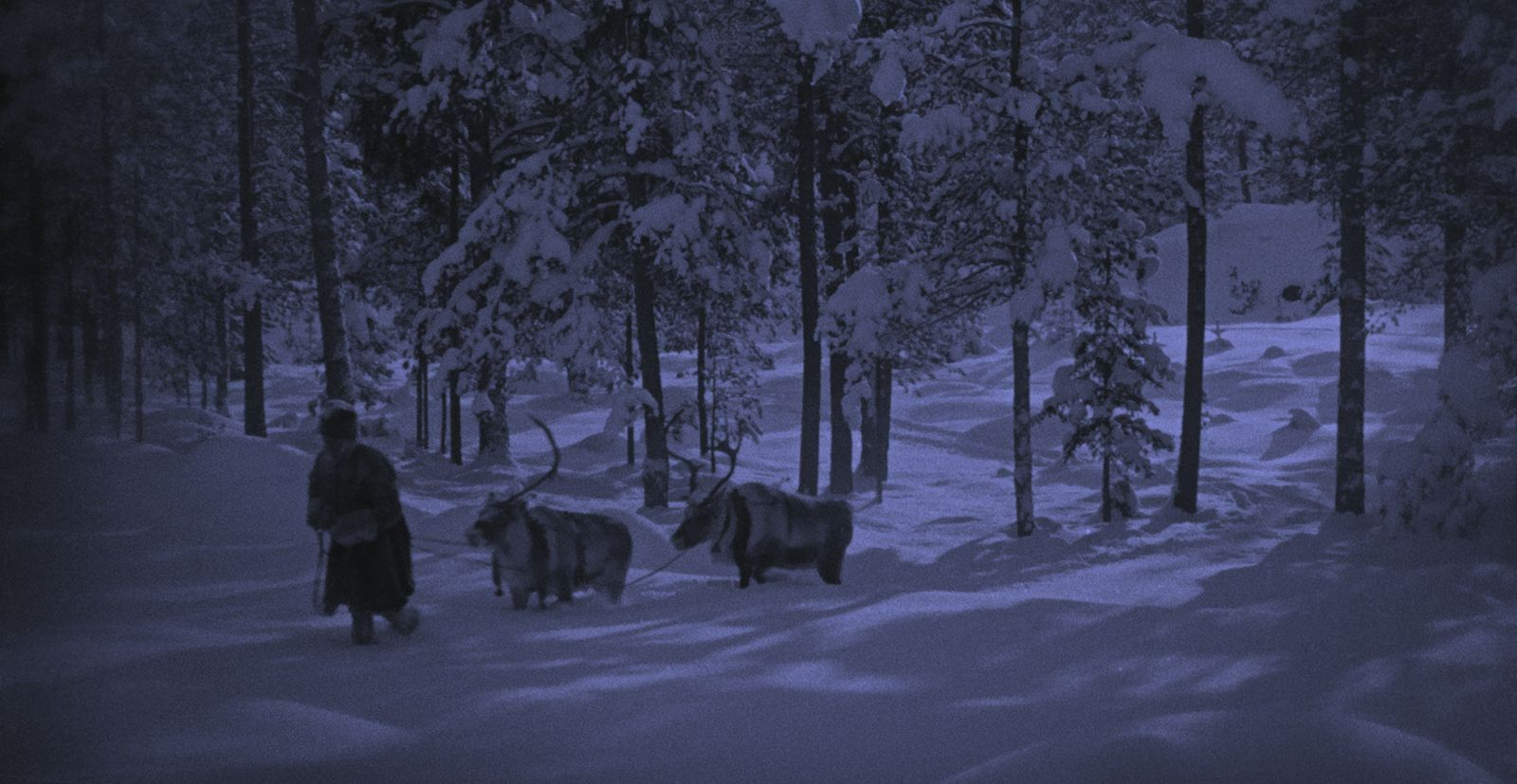
Digital restorations have also widened out the variety of films that can be discovered. While the talents listed above are probably well-known to cineastes, far less familiar fare includes rare Scandinavian silents like the opening film from Sweden, With Reindeer And Sled In Inka Länta’s Winterland (main picture). Finnish folk horror Before The Face Of The Sea is also new to UK audiences while fresh prints and newly commissioned live-music scores demonstrate how today’s technology can showcase the visual creativity of cinema’s pioneers.
%20Courtesy%20of%20the%20Mary%20Pickford%20Foundation.jpg.jpg)
There’s a celebration of the work of Alma Reville, now revealed as a driving force behind the early work of her husband Alfred Hitchcock, with 1925’s The Pleasure Garden showing how Reville fuelled the style of one of cinema’s giants. And there’s also The Dark Mirror, a collection of Scottish films about the Union Canal in Falkirk. In a collaboration with musicians Tommy Perman and Andrew Wasylyk, artist Moira Salt’s reworking of archive material spotlights the work of the immigrants who built waterways that are still used today.
One excellent innovation at the 2025 HippFest is that after the big-screen public events, several of the movies can be viewed online over a 48-hour period by enthusiasts all around the world; perhaps there’s even an additional thrill in extracting something new via the latest in home-entertainment technology. One thing is certain: silent cinema offers a more cultured and sophisticated alternative to the ad-filled, commercially orientated, quick-fix, single-use media consumed today. With live musical accompaniment, silent films can take us back to the immersive world enjoyed by our great-grandparents, bringing the distant past to vibrant life, 24 frames a second.
HippFest, The Hippodrome, Bo’ness, Wednesday 19–Sunday 23 March.