The Miles Davis Story is a timely reminder of the great jazz musician's legacy
To mark the centenary of Miles Davis, a new BBC Sounds documentary series adds to the pantheon of cultural artefacts honouring this trumpet legend. Rob Adams analyses a remarkable legacy
%20pic%20credit%20Colin%20J%20Smith.jpg)
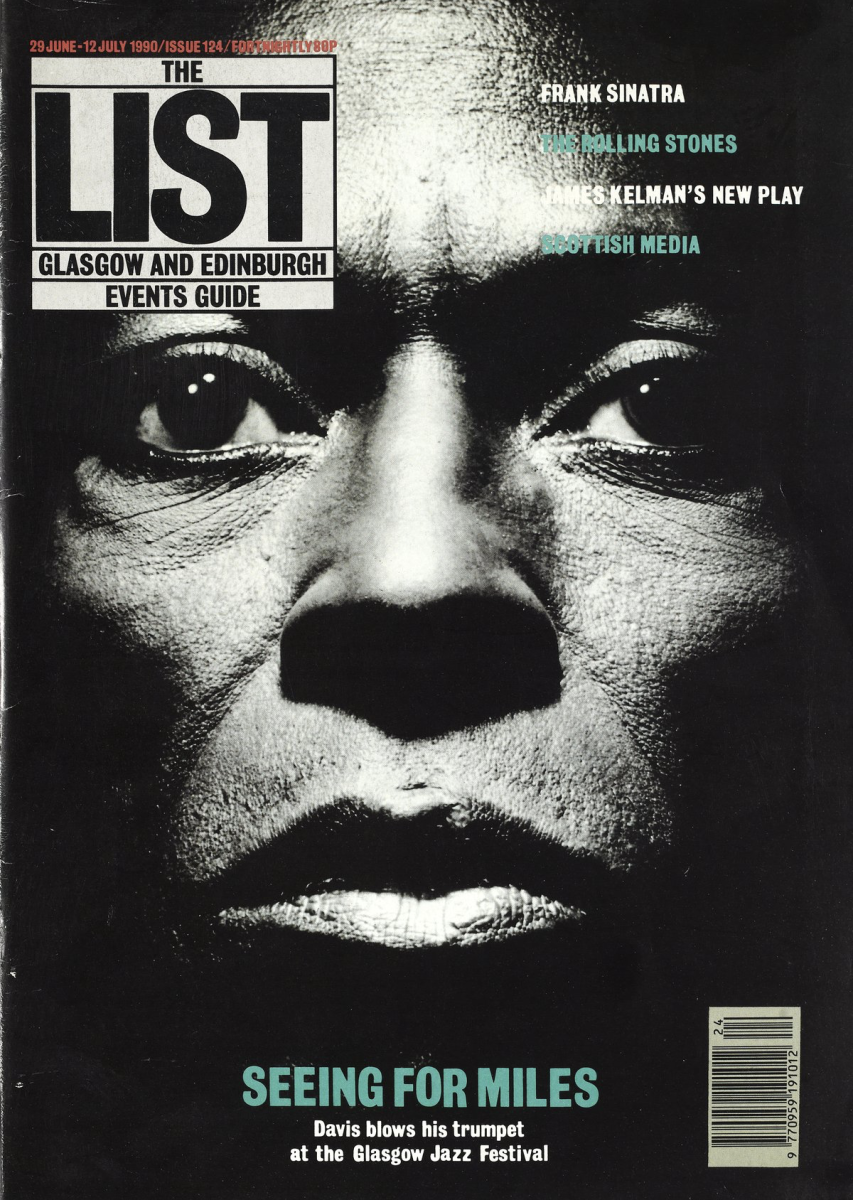
When Miles Davis appeared at Glasgow Jazz Festival in 1990, he was the biggest live jazz attraction the event could have presented. Although not universally loved by the jazz audience, Miles (like Louis Armstrong, his first name was all that was needed to identify him) had been in at the birth of innumerable new directions the genre had taken. This music college dropout would go on to be studied on jazz courses internationally and created a finishing school for a veritable cohort of musicians who took his legacy forward.
From the 1940s, when he partnered alto saxophone virtuoso Charlie Parker in the bebop revolution that took jazz out of the dancehalls and into high art, to his ‘retirement’ in the mid-1970s, Miles created classic recording after classic recording in a bewildering range of formats and settings. Possibly the only musician who could have been the connection between Birth Of The Cool’s acoustic elegance, Sketches Of Spain’s neo-classicism, ESP’s free-thinking originality and On The Corner’s raw, deep electronic groove, he was a restless seeker of new means of expression.
During that run of albums came the timeless Kind Of Blue in 1959 and another new direction by introducing modal jazz that blended space, emotion and individual virtuosity. It would become the best-selling jazz album of all time as well as the blueprint for ensembles to this day. Ten years later, having put his stamp on orchestral jazz through his collaborations with arranging genius Gil Evans and always aware of developments outside of the form, Miles was ushering in jazz fusion.
A blessing or a curse depending on your viewpoint, electric Miles, like his great quintets that came before, gave a platform to outstanding talents who were as adept at taking the music forward as they often were at returning to the jazz tradition that had nourished them. Miles generally refused to retrace his own steps. On his return in 1981, he gathered a group of young musicians whose energy he fostered and used to propel his ideas. To the list of Miles associates that included John Coltrane (who would also have been 100 this year), Cannonball Adderley, Wayne Shorter, Herbie Hancock, Ron Carter and Dave Holland (the last three thankfully still around to continue his legacy) would be added guitarists John Scofield and Mike Stern, saxophonists Bill Evans and Kenny Garrett, and long-serving drummer Al Foster. These names merely scratch the surface of the list of collaborators that are a crucial part of the remarkable Miles Davis story.
The Miles Davis Story is available now on BBC Sounds as part of the Legends series; main picture: Benjamin Akintuyosi as the jazz icon in Summerhall's 2025 Fringe play Miles / credit: Colin J Smith.