These Violent Delights film review: Astounding, triumphant choreography
Scottish Ballet’s reimagining of Romeo & Juliet proves to be a stunning, thoroughly modern success
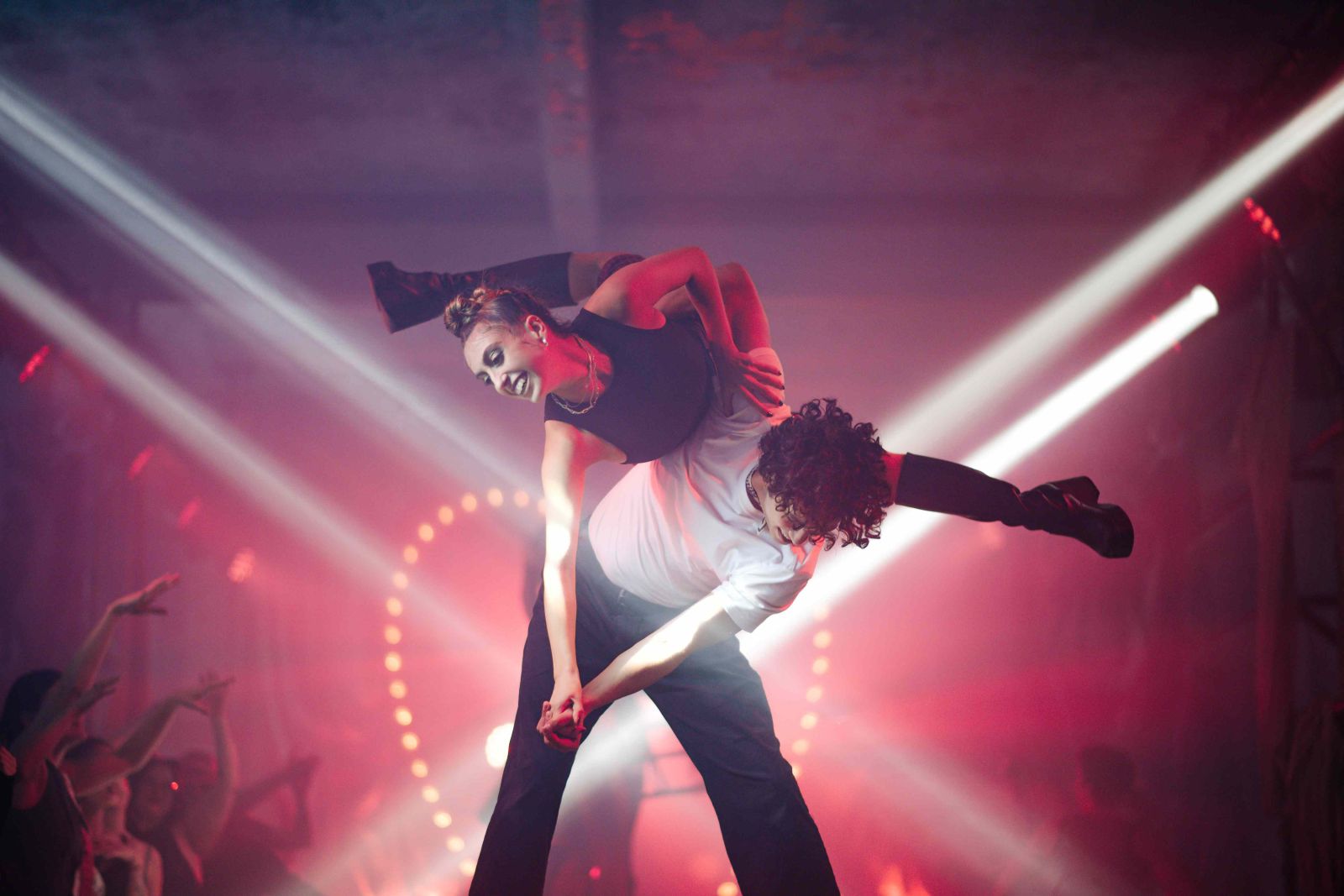
Anyone fooled by the notion that ballet is a dying art form with no future should take a seat in front of These Violent Delights, a dance film born out of a centuries-old story, but firmly rooted in the present day. Scottish Ballet has built an impressive repertoire of short filmic works in recent years, but nothing could have prepared us for this 70-minute, octane-fuelled ride. Although inspired by Shakespeare’s tragic protagonists, Romeo and Juliet, this is very much Juliet’s story. We see the world through their eyes, via a fever dream that takes Juliet back from the brink of death, as they struggle to remember and reconfigure the previous few days. In the starring role, Kayla-Maree Tarantolo is embedded in the 21st century, through surroundings, costume and attitude, imbuing the role with youthful confusion, curiosity, hot desire and a sense of fun.
Indeed all the characters, from the buttoned-up Lady Capulet to wide-boy Tybalt, and lovesick Romeo to the boisterous Mercutio and Benvolio, are finely drawn and danced. Nobody feels two-dimensional, regardless of how brief their screen time. And surprisingly, given that no less than six choreographers are credited with the movement, it blends together seamlessly. Whether the dancers are performing a contemplative solo, silently arguing at breakfast, killing each other outside a nightclub, or falling in love, each step feels like a natural progression.
So kudos to Scottish Ballet’s artistic director Christopher Hampson for cherry-picking the film’s choreographers with wisdom and insight, apportioning each to a different set of characters. Julia Cheng (whose new work Entress was recently added to the Scottish Ballet repertoire) wraps Juliet up in movement that echoes their emotional state perfectly: spiky and troubled one minute, softened by love and friendship the next. Myles Thatcher (a dancer with San Francisco Ballet when he’s not busy choreographing) whips the nightclub scene into a blaze of queer, drag-queen, drug-induced beauty. In Thatcher’s capable hands, Harvey Littlefield as the re-imagined Sister Laurence rules The Apothecary, aided by the equally sensational Rishan Benjamin as new character Sister Giovanna.
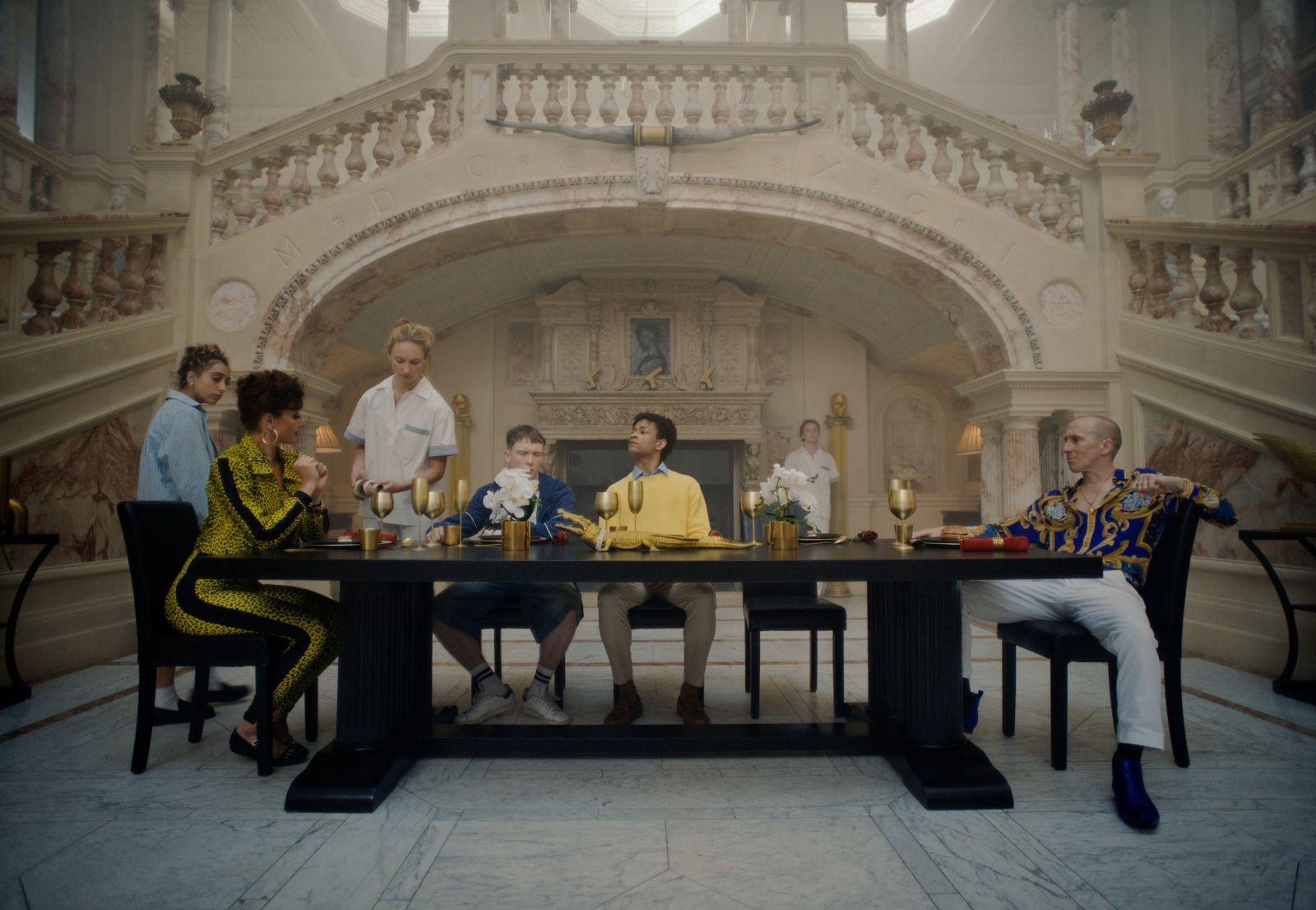
Morgann Runacre-Temple (who co-created the company’s superb Coppélia) climbs brilliantly beneath the skin of the entire Capulet family, from the brash socialite parents to needy nephew Tybalt. Scottish Ballet’s resident choreographers, Sophie Laplane and Nicholas Shoesmith, do an exquisite job with the Nurse/Juliet friendship and Montague family, respectively. In particular, Shoesmith’s work with lead dancer Ishan Mahabir-Stokes results in a richly layered performance that takes Romeo straight to our broken hearts. Dancer Andrea Azzari not only delivers a feisty, colourful Mercutio but choreographs a spooky ensemble of ‘shadows’, operating as a form of Greek chorus depicting Juliet’s subconscious.
With the movement and characterisation built on such strong foundations, the set design wasn’t required to do much heavy lifting, but does it anyway. The stunningly opulent worlds of the Montagues and Capulets created by production designer Sami Fendall are gifts that keep on giving. Until they don’t, but for all the right reasons. When we head out into clubland, at the wonderfully scuzzy warehouse home of cabaret artiste Violent Delight, all the rich trimmings fall away. Here, the costumes are ramped up instead, as the high-heeled Sister Laurence, supplier of catwalk sass and hallucinatory drugs, leaves Shakespeare far behind.
The film may take place inside Juliet’s fever dream, but at times it feels as if co-directors Christopher Hampson and Oscar Sansom found their wondrous vision during a similar state. Working with a story so universally known liberates the duo from heavy-handed, expositional storytelling. They inhabit that freedom with vibrant imagination and it quickly becomes clear that whatever you assume is going to happen next almost certainly isn’t.
An opened door never leads where you think it will, fast edits regularly transport us between imagination and reality, and quirky lenses evoke a dream-like quality. And at the end, there’s just enough ambiguity to keep us guessing as we leave the cinema. A triumphant adventure that secures Scottish Ballet’s place at the very cutting edge of exciting, innovative, yet wholly accessible dance and film.
These Violent Delights is in cinemas from Wednesday 21 October.