WanderList: Vietnam
Zara Janjua navigates the frenetic intensity of Vietnam’s capital Hanoi and the somewhat calmer natural wonders of Ha Long Bay
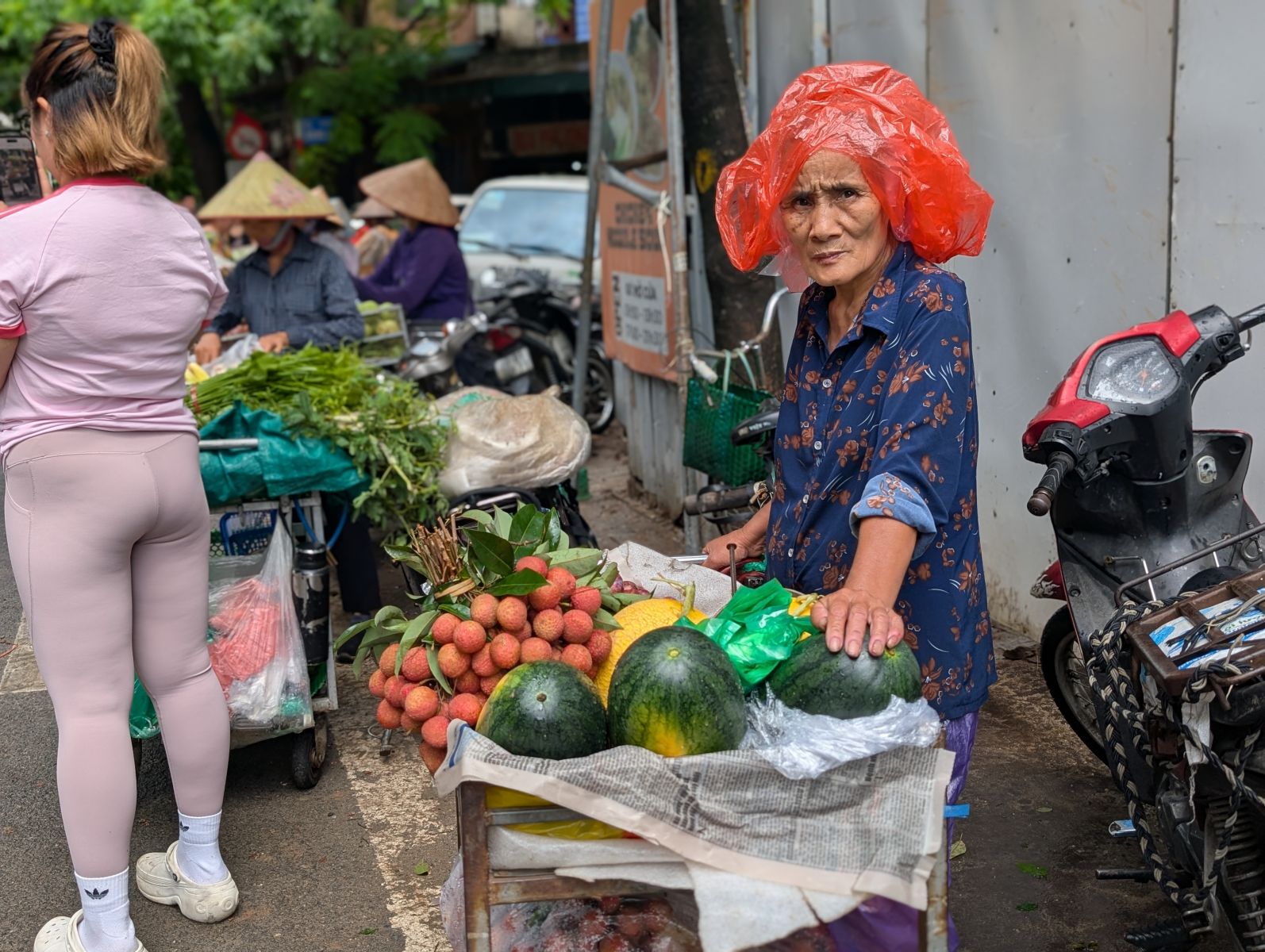
Hanoi is not a city you arrive in gently. It hits you head-on: a kaleidoscope of colours, smells and sounds. Motorbikes swarm like schools of fish, weaving around fruit sellers, children, even dogs balanced on handlebars. Crossing the road isn’t an act of planning, it’s an act of faith: step out, walk steady and watch as the chaos parts around you. Nobody crashes. Nobody even looks rattled. It’s choreography, just without the music.
The Old Quarter is relentless. Fans plugged into pavements fight the heat, while neon signs blaze above street-food stalls serving pho, a warm, multi-dimensional broth layered with herbs, noodles and meat, and bánh mì, the French-Vietnamese sandwich stuffed with pickled vegetables, pâté and chilli. Dragon fruit is cut open to reveal a shocking magenta flesh, and lychees taste sweeter than anything at home. I tried egg coffee (sweet, thick and more pudding than drink) before heading to Train Street.
This narrow alley is both iconic and improbable. Locals sip iced tea as locomotives thunder past their front doors, while tourists cling to walls for the ultimate shot. It’s now a social-media sensation, an Instagram and TikTok favourite, though the real marvel is that trains here actually run on time: a surreal reality for anyone from Scotland. For a change of pace, head to the Temple Of Literature, Vietnam’s first university, founded in 1070 and dedicated to Confucius. Courtyards, lotus ponds and carved stone stelae (slabs) line the walkways, each engraved with the names of scholars. It’s a place of serenity and reverence, a counterpoint to Hanoi’s clamour, where calligraphers still write scrolls for visitors. Standing there, you sense the weight of centuries, a nation that prizes scholarship as much as survival.
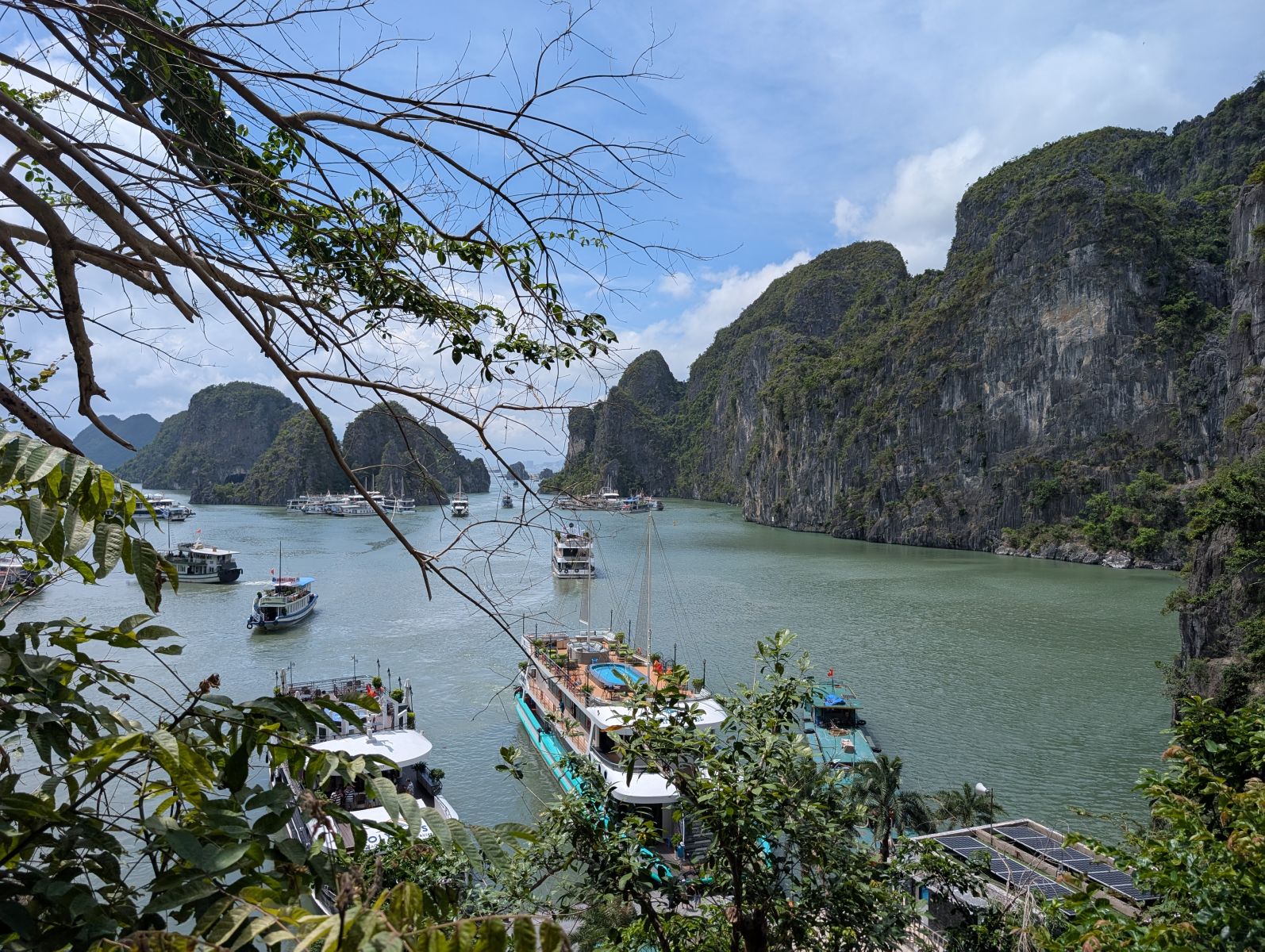
Hạ Long Bay, a few hours east of Hanoi, looks like something dreamed up in a fantasy film: nearly 2000 limestone karsts (rock formations) rising from emerald water, mist curling around their peaks. I took a speedboat between the cliffs, kayaked into hidden lagoons near Hang Luồn, then climbed through Sung Sot Cave, its vast chambers glittering with stalactites. It’s the kind of place that shrinks you, in the best way, nature reminding you who’s boss.
But the bay isn’t just a postcard. It’s a working seascape. Fishing boats line the horizon and families still live in floating villages. Stop at an oyster farm where pearls are cultivated with the same patience we give to whisky back home. And then comes the feast: prawns, crab, oysters, all pulled from Hạ Long Bay hours before. Tourists shouldn’t always brave the seafood, but in Vietnam, hesitation isn’t an option. You eat boldly, the same way you cross the roads.