Bryony Kimmings on moving to the countryside: ‘I could hear my own capitalism’
Bryony Kimmings has a complex relationship with nature but a move to the countryside forced her to confront it. Returning to the Fringe after seven years away, the fearless theatre storyteller tells Zara Janjua how she finally faced up to her anxieties
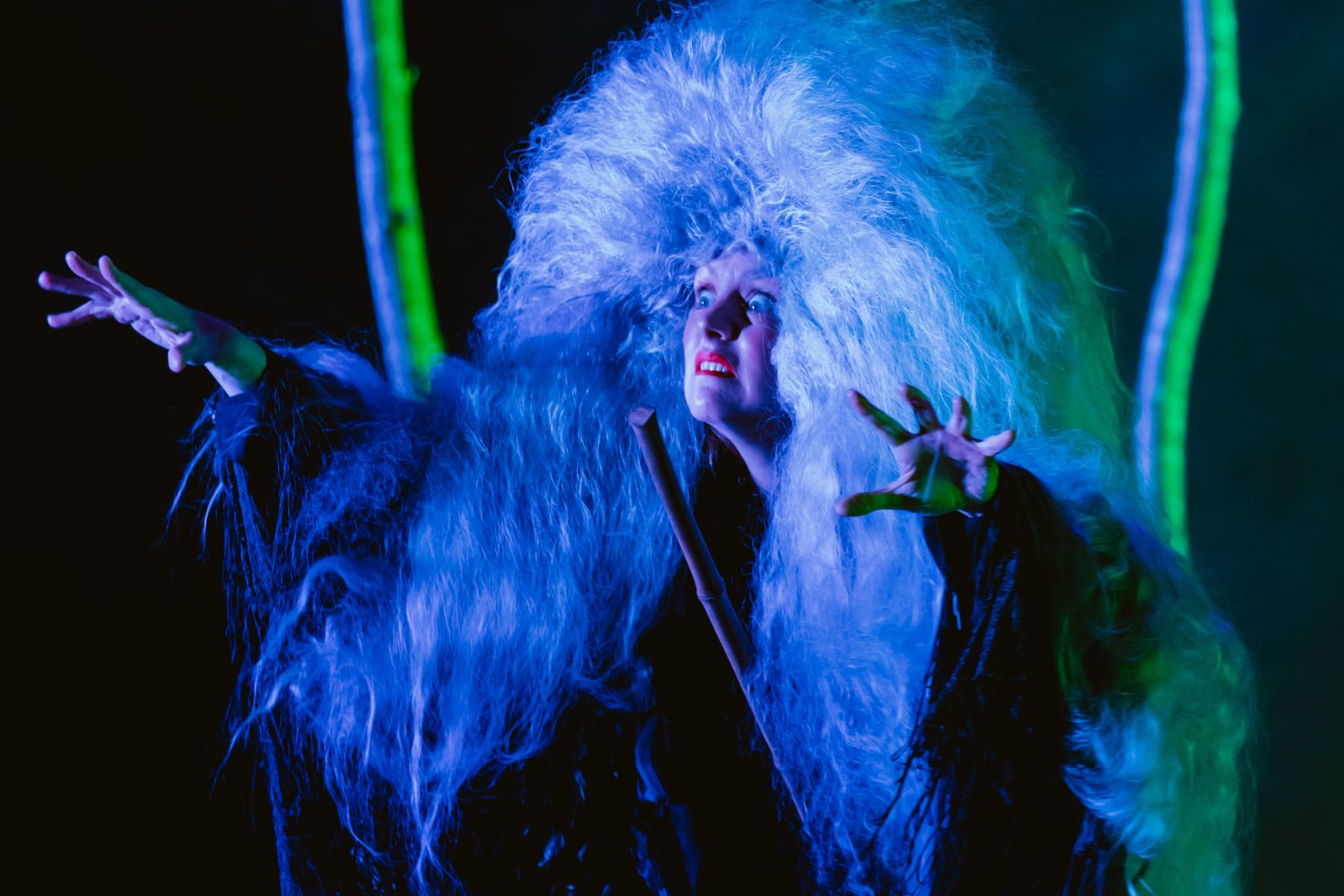
Did Bryony Kimmings move to the countryside because she cared about the environment? ‘No. That makes me sound like some kind of good person,’ she laughs. In fact, when the award-winning writer and performer swapped Brighton for a tumbledown cottage in rural East Sussex, she wasn’t searching for ecological enlightenment. She was following love with a new partner and hopes of building a blissful blended family.
Instead, she found herself face-to-face with old trauma, climate anxiety and a realisation that would eventually become Bog Witch, her first Edinburgh Fringe show in seven years. For a while, Kimmings carried a lingering sense that nature had betrayed her after her son became unwell and she experienced a psychotic episode, both of which became so entangled in her mind that the natural world itself felt hostile: ‘I had beef with nature,’ as she puts it.
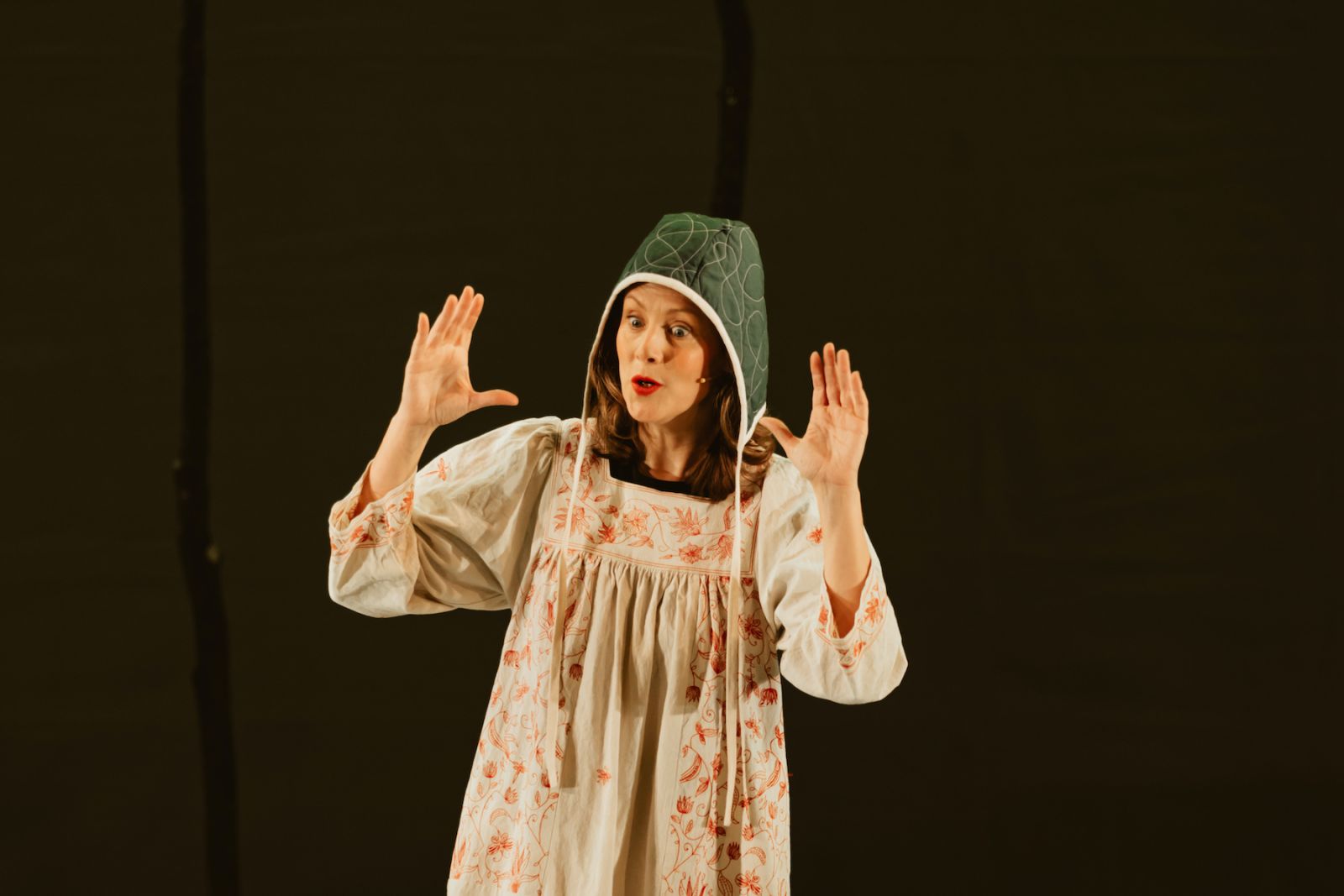
For anyone familiar with Kimmings’ work, that confession feels entirely on brand. Over the past two decades she has built a reputation as one of British theatre’s most fearless autobiographical storytellers, mining her own life for material with startling honesty and humour. Her shows have tackled everything from sex and depression to cancer, motherhood and mental health, earning acclaim from the National Theatre to Sydney Opera House. Since her last Fringe outing, she’s also forged a successful screenwriting career, co-writing Last Christmas with Emma Thompson and adapting Liz Jensen’s 2009 novel The Rapture into a BBC One eco thriller due to air this year.
But Bog Witch may be her most surprising transformation yet. The title conjures images of an earthy eco guru dispensing wisdom from a moss-covered hut. The reality of moving to the countryside, however, was rather different. ‘I could hear my own thoughts. I could hear my own trauma. I could hear my own capitalism. It was deafening.’ Kimmings viewed the natural world as something that had let her down. Yet it was also the thing helping her son thrive. Now diagnosed with autism, he struggled with school and daily life in the city. In the countryside, he seemed transformed. ‘He’s a nature boy,’ she says. ‘He says hello to bugs. He hugs trees.’
Meanwhile, life with her partner introduced her to permaculture, sustainability and the endless stream of environmental facts that would eventually fuel the show. ‘My partner doesn’t have a filter,’ she says. ‘“Did you know we’ve only got 12 harvests left before the soil is completely eroded? Did you know this? Did you know that?”’ For someone already prone to anxiety, it wasn’t always welcome information. ‘I’ve had mental breakdowns,’ she laughs. ‘Let’s not feed the anxiety.’
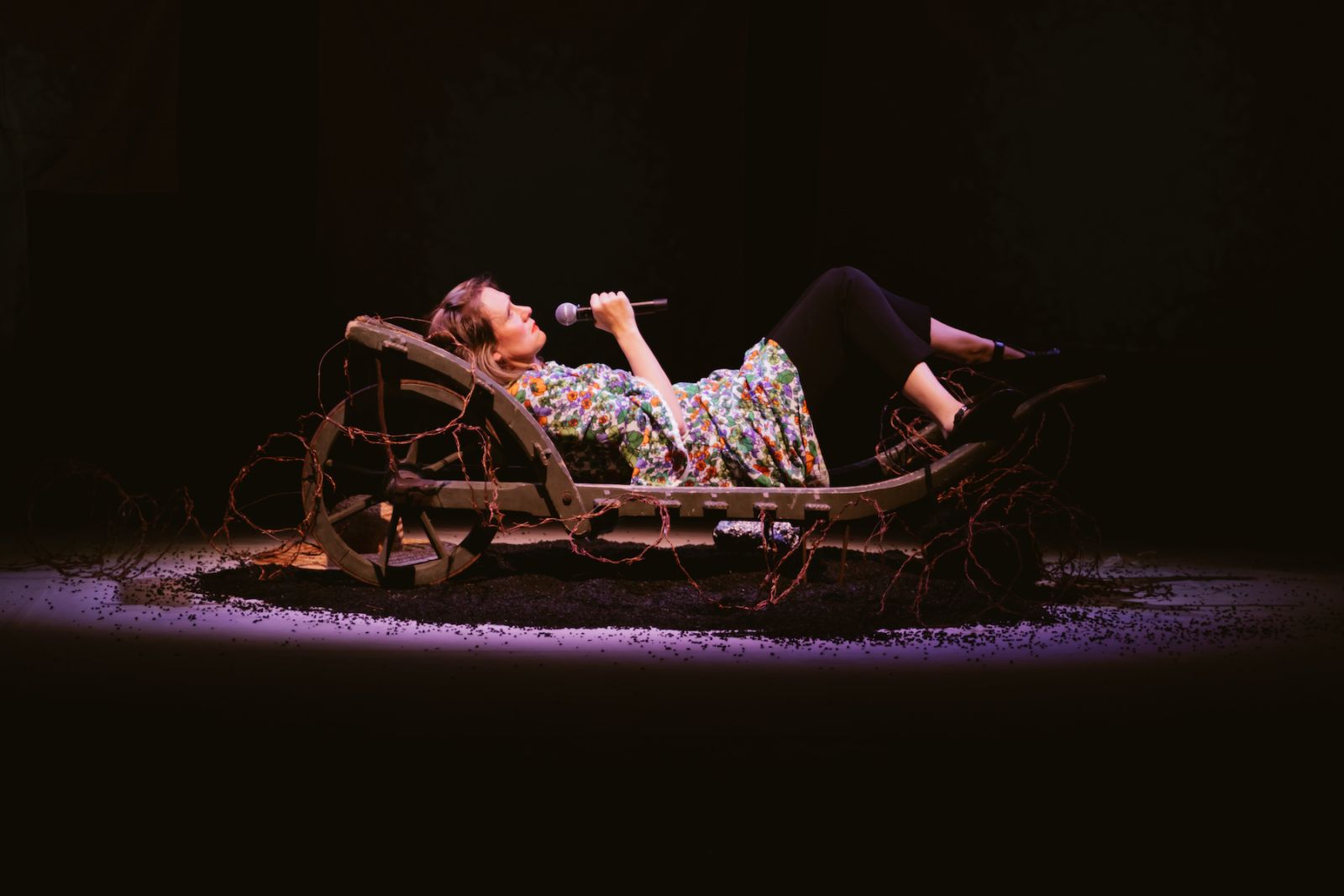 Yet climate anxiety became impossible to ignore. What captured her attention wasn’t simply the fear, but what happens when people push through it. Kimmings isn’t interested in doom-mongering or lecturing audiences about ecological collapse. She deliberately set out to make a climate show that didn’t feel like a climate show. The title itself was part of the strategy, changing name along the way from ‘Soil And Water’ because, according to Kimmings, ‘no one’s coming to see that’.
Instead, Bog Witch became a way into a bigger conversation about community, connection and healing. It’s climate change viewed not through statistics or policy, but through one woman’s deeply personal reckoning with grief, fear and belonging. Seven years away from Edinburgh have clearly done little to diminish Kimmings’ appetite for turning life’s messiest experiences into compelling theatre. Bog Witch sounds like the natural next chapter for an artist who has always been willing to venture somewhere uncomfortable and report back.
Bog Witch, Traverse Theatre, 8–30 August, times vary.