Our Edinburgh Festival reviews round-up 2026: Monday 24 August
As we enter the final week of Fringe madness, here are our recent festival favourites
With the end of festival season on the horizon, Fringegoers are scrambling to catch as many standout shows as possible. Here is our final round-up of our surefire winners and crowd-pleasers, from groundbreaking circus feats to eccentric comedy sketches. Catch up on part one and part two of our round-up.
Five stars
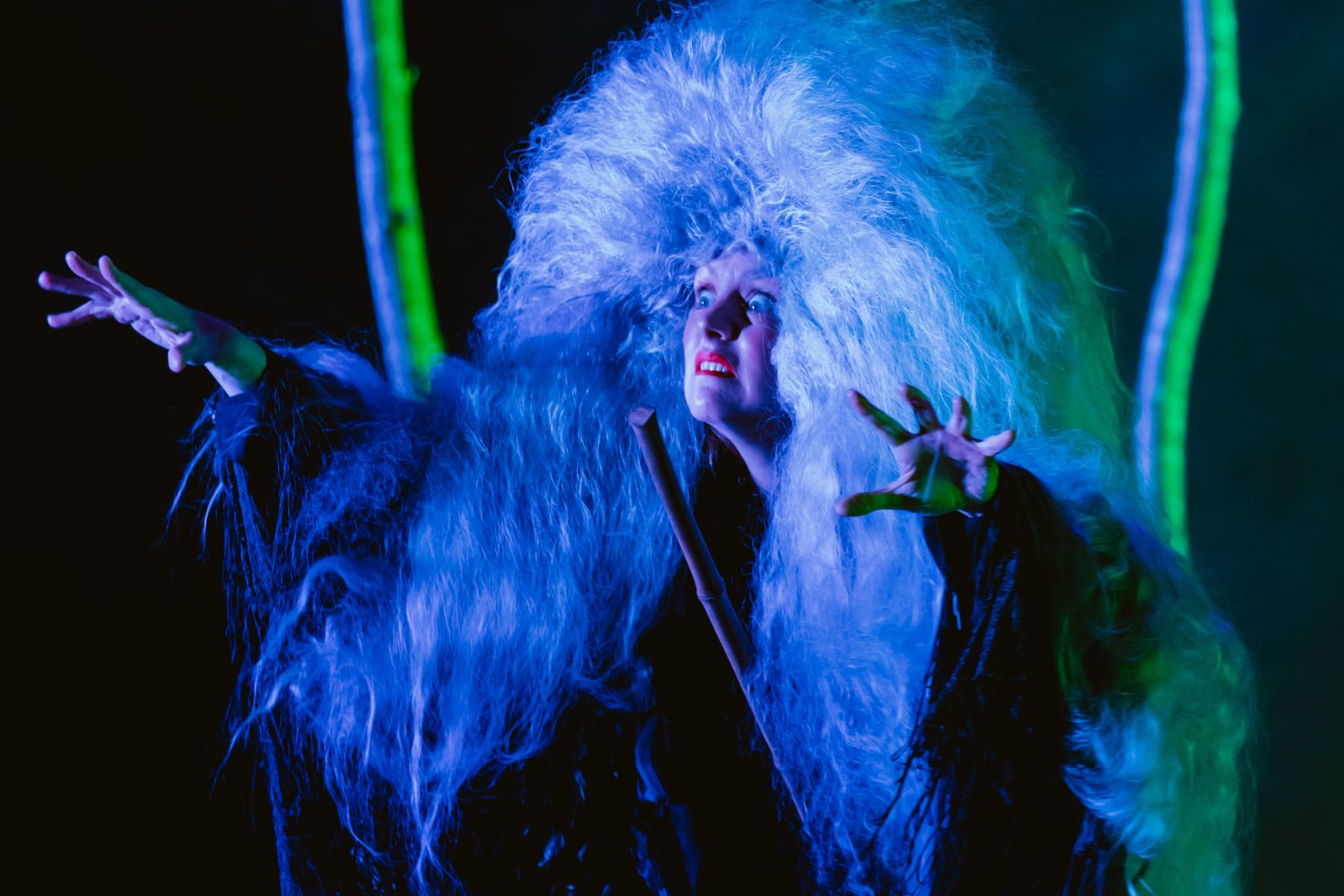
Bog Witch
(Theatre)
‘This new work from Bryony Kimmings feels like Fleabag if she’d wandered into the countryside, started listening to Laura Marling and had an existential breakdown beside her new bog. Set in a rural backwater (25 minutes from Brighton), Bog Witch slips between song, storytelling and fourth wall-breaking stand-up, creating an unexpected intimacy in the cavernous Traverse. Divided neatly into seasons and decorated with gorgeous, tactile props, the show follows Kimmings (playing herself) as she tries to settle into her new life, deep in the natural world. But her resistance slowly gives way to delirium as she slips into the rhythms of nature and learns more about humanity’s failure to protect it.’ (Afreka Thomson)
Read the full review.
Brendan Scannell: The Abyss
(Comedy)
‘How do you mourn someone who’s still alive? Brendan Scannell’s The Abyss starts off as a catty stand-up routine with an encompassing set-up about submersible-based water therapy. But it ends as a brilliantly cathartic monologue about the grief of caring for an immediate family member with severe mental health problems. By its climax, you just want to get out of your chair and hug him. You may well leave with goosebumps and moist eyes.’ (Greg Thomas)
Read the full review.
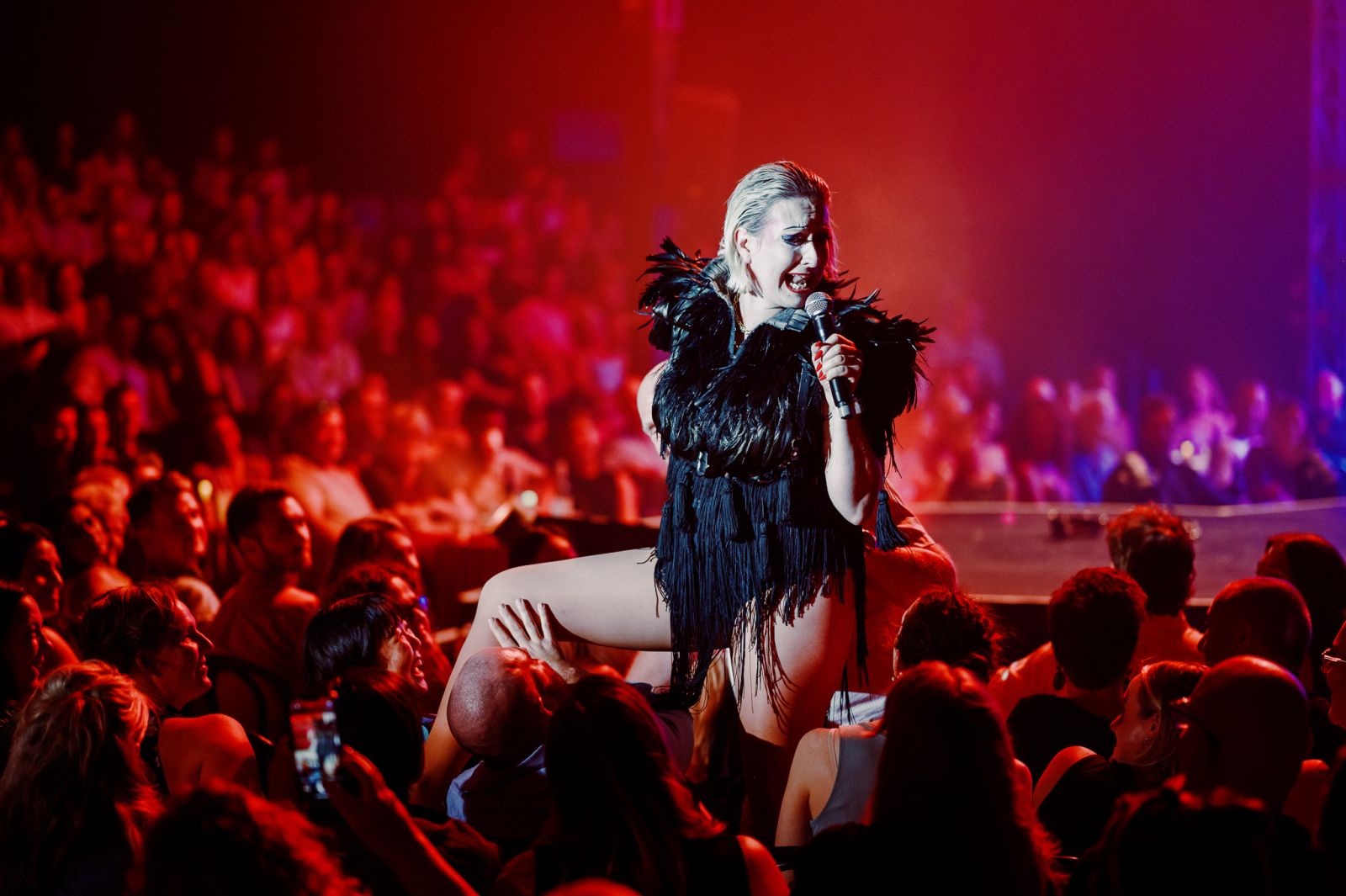
Bernie Dieter’s Club Kabarett
(Cabaret)
‘With her rich voice and coos of ‘my darlings’, Dieter encourages everyone to let their freak flag fly in this Dionysian dedication to carnal pleasure and queer identity. Club Kabarett is one of the most earnest shows out there, challenging audiences to embrace sexuality, to connect with each other through speech, eye-contact and touch. It’s more than just riotous fun, though it certainly is that; it’s a celebration of life.’ (Isy Santini)
Read the full review.
Not For Glory
(Dance)
‘The tone is always shifting from playfulness to send-up to reverence, and the team have a canny sense of when to make the change. It’s not a damning or a deconstruction of Scottish culture but a conversation with it. There is as much beauty in a well-timed pas de basque as there is misogyny baked into the history of Highland dance. The themes always feel tangible but the humour stops the piece from ever feeling like an academic exercise.’ (Lucy Ribchester)
Read the full review.
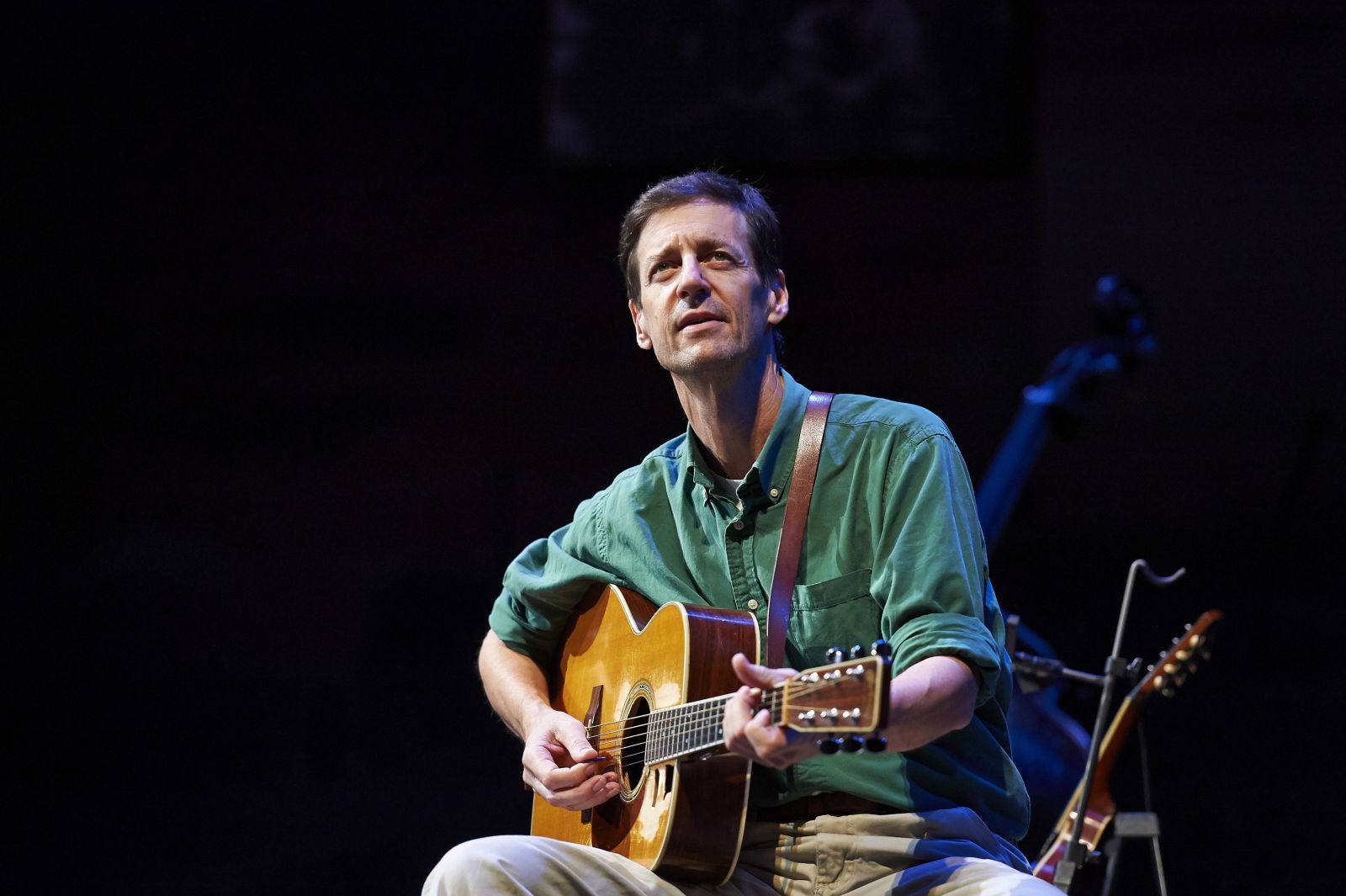
Woody Sez
(Music)
‘That time-worn phrase, ‘legends are made, not born’, could well have been written specifically for Woody Guthrie, one of folk music’s most celebrated figures and an icon of the protest movement. In Woody Sez, we chart his journey from itinerant musician, through crushing poverty and personal tragedy, to national acclaim and an enduring legacy. This production, revisiting the Fringe 20 years after its inception, reminds us that great performances can create experiences that linger.’ (Gary Sullivan)
Read the full review.
Big Stuff
(Comedy)
‘This isn’t an improv: the script is tight, fast and funny, and the on-stage chemistry is palpable. But they do incorporate tiny fragments of the audience’s experiences as they go along: a loved one’s name, a special object, an anniversary, all beautifully threaded into the story. It’s genuinely thrilling to watch their skills as they move the packed audience from tears to laughter to enthusiastic participation and back again. You should take hankies, and you’re just as likely to use them mopping up tears of laughter... and yet. Snieckus and Baram let the quiet solidarity of grief gently grow until it becomes almost a third character, leading to a devastating final few moments that also feel profoundly unifying.’ (Jo Laidlaw)
Read the full review.
Scout Boxall: God's Favourite
(Comedy)
‘Using niche references and a neatly organised multimedia production, Boxall’s work rests in the margins between stand-up and theatre, demonstrating a gift for storytelling in doing so. They’re very generous in sharing intimate details and transform a downbeat premise into a hysterical, gripping hour.’ (Danny Munro)
Read the full review.
4 stars

The Woman in the Mirror
(Theatre)
‘Steele is an incredible storyteller and the chemistry between the performers is so natural, capturing the familiarity and complexity of a mother-daughter bond. Funny, frustrating and painfully honest, it understands the realities of care-giving: you can be exhausted, irate and start to lose hope without loving someone any less. Stories like Steele’s deserve to be told, not kept behind closed doors.’ (Robyn Bell)
Read the full review.
Bebe Cave: Swoon
(Comedy)
‘In this hat-based comedy, Bebe Cave satirises the Pre-Raphaelite Brotherhood, reimagined here as three would-be-hipster beanie wearers at a slam poetry night in Victorian London. It’s a story told through the eyes of their muses and those who wish they were: the beautifully feeble Elizabeth Siddal (inspiration for John Everett Millais’ ‘Ophelia’), Effy from teen TV drama Skins, and her fictional sister Bertrude, the poster child for Cadbury and cocaine toothache drops until puberty killed her modelling career.’ (Evie Glen)
Read the full review.
Frankie Thompson: Horrible Things
(Comedy)
‘Swirling around the stage in a polka-dot flamenco dress, it’s Frankie Thompson’s face that you can’t stop looking at. It appears to be moulded from plasticine: stretching, squashing and rearranging itself with alarming speed, this is a performer who can communicate an entire joke with a raised eyebrow. In Horrible Things, Thompson deploys her wiggly face wonderfully, alongside avant-garde clowning, internetty little jingles and a disgusting foray into the mind of a nine-year-old Jacob Rees-Mogg.’ (Afreka Thomson)
Read the full review.
Jack Brookmyre: Impressionable
(Comedy)
‘Instantly endearing and clearly well-read, there are shades of Christopher Macarthur-Boyd in Brookmyre’s performance. His parodies of politicians and celebrities are solid, though it’s his insightful exploration of communication in the fake news era that leaves a lasting impression.’ (Danny Munro)
Read the full review.
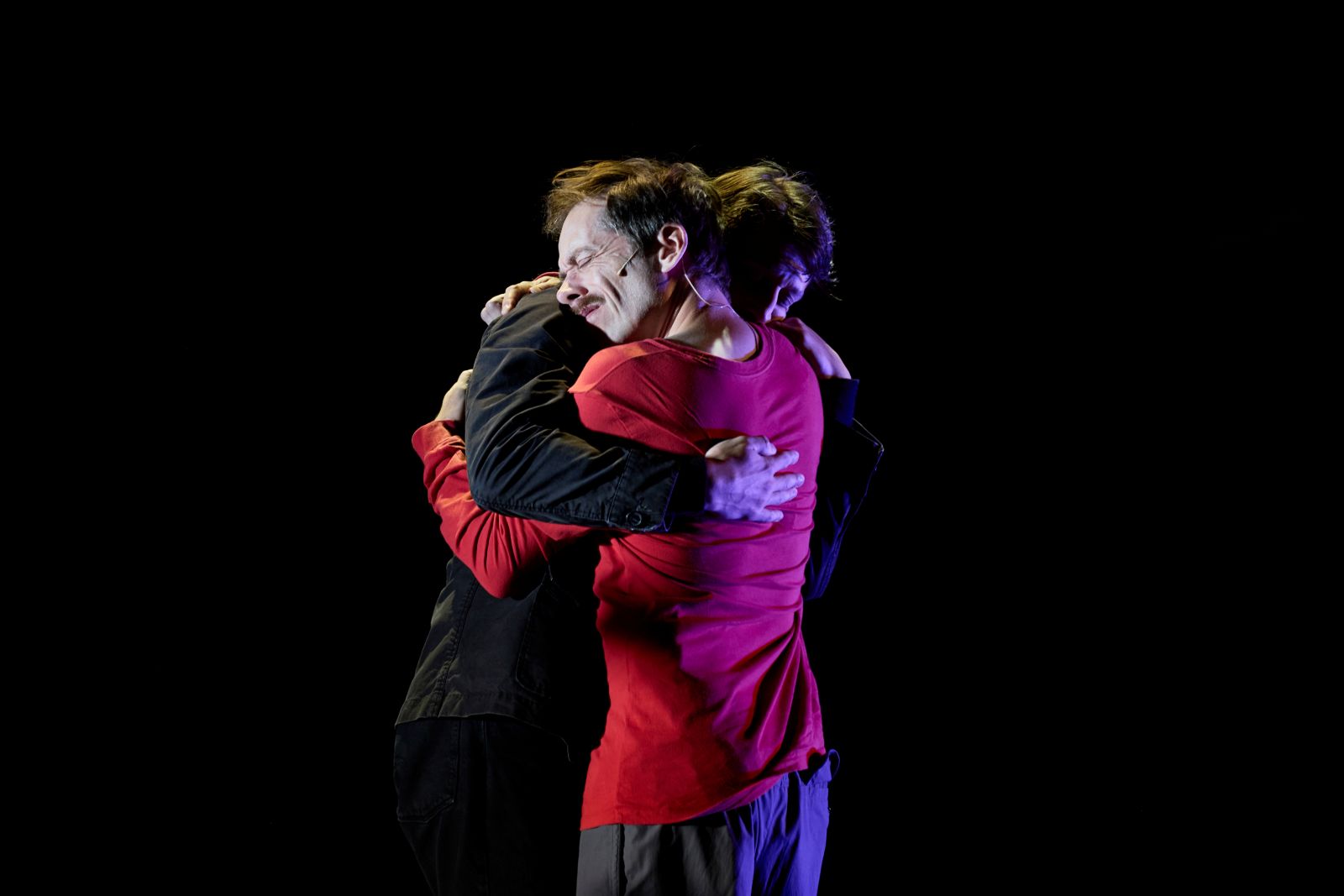
Angels In America
(Theatre)
‘Sexuality, race, religion and political machinations are woven throughout, some explicit, others less obvious. So rich in metaphor and symbolism is Kushner’s text that not everything is easy to grasp, especially in the mouths of the more complex characters (we’re looking at you, The Angel). Even then, as we drift in and out of dreams, drug-fuelled hallucinations and visions, it’s still possible to get the gist; thanks in no small part to the excellent eight-strong cast, unflinching in their commitment.’ (Kelly Apter)
Read the full review.
Border Bodies
(Dance)
‘With the dancers dressed in various flavours of street casuals, all in their own particular style, Gasparini’s piece is both a celebration of individuals and a hymn to the magic of bodies in harmony. The ensemble’s focus is awesome, especially when the pace slows and each stretch or bend is eked out: it’s as if we are watching energy explode in slow motion. The performance crescendoes in a euphoric, cathartic samba party of self-expression.’ (Lucy Ribchester)
Read the full review.
The Incomer
(Film)
‘The Incomer’s brisk comic action satirises Scottish bureaucracy while lampooning a traditional, inward-looking sense of ourselves; it’s a cheerful, heart-warming and winning comedy that actually dares to address issues of Scottish identity.’ (Eddie Harrison)
Read the full review.
.jpg)
Madeleine Brettingham: Legend
(Comedy)
‘In her delicious deadpan delivery, she walks us through her particular brand of feminism. She doesn’t want equality, just revenge: for starters, she’ll replace the Pornhub landing page with a pic of little hedgehogs having a picnic, before becoming the Bonnie Blue of pegging. Human evolution, female showjumpers’ genitals and arcade grabber machines all come under Brettingham’s gaze, subjected to razor-sharp observations before a (literal) firecracker of a finale. Early in the hour, she poses a question: can women be legends or is that just the domain of men? On this thrilling evidence, it’s a status firmly within Madeleine Brettingham’s reach.’ (Paul McLean)
Black Blues Brothers: Let’s Twist Again!
(Circus)
‘The Kenyan troupe who make up the Brothers are as spectacularly skilled as any of the other circus troupes on the Fringe. They can pile up a five-man human sculpture, cannonball their bodies through a series of tiny hoops, fling and catch each other, and even turn themselves into a moving acrobatic train at one point. What sets this show apart then? Well, the music is fabulous, a paean to mid-century rock and blues from Sam Cooke to Aretha Franklin. Not only that but the troupe really lean into it, incorporating bursts of choreography and slick musical timing into their routines. They are a hugely likeable group of performers with boundless energy. When the train finally comes you’re left wishing the platform party could go on all night.’ (Lucy Ribchester)
Read the full review.
Meteors
(Theatre)
‘Anyone who has ever lost anyone has their list of pet hates: the head tilts, the awkward pauses, the mountain of neighbours’ Tupperware cascading out of the drawer, the endless sadmin. But the thing about grief, particularly first grief, is that if feels so uniquely singular and personal that you can’t quite bring yourself to believe this has ever happened to anyone else. Meteors, a solo show written and performed by Melissa Pullinger, finds its emotional resonance by playing in this place between universal and unique. Pullinger’s story is hers, of course, but it’s also a tale as old as time, which means as a viewer you move between empathising with her grief at the loss of her mum and nodding along to the beat of your own sadness.’ (Jo Laidlaw)
Read the full review.
Don Quixote (Is A Very Big Book)
(Theatre)
‘Dik Downey, facing a mid-life crisis, has one simple mission: to single-handedly perform the entirety of Don Quixote in just 38 minutes. What follows is a slapstick comedy with hilariously cringeworthy audience participation. From the get-go, Downey draws the audience into an intimate conversation about his desire to perform one last perfect show; it’s a surprisingly reflective moment as he unbuckles his belt, removes his trousers, and changes into medieval knight’s armour. The plot is ridiculous, matched with equally ludicrous sketches; a Punch And Judy-style fight between Downey and his puppets, a horse that licks the audience with a pop-out tongue, and a donkey aptly named Donkey-Otay. Downey builds rapport with the audience, dragging viewers on stage to knight him. The laughter rarely lets up.’ (Jess Ewing)
Read the full review.
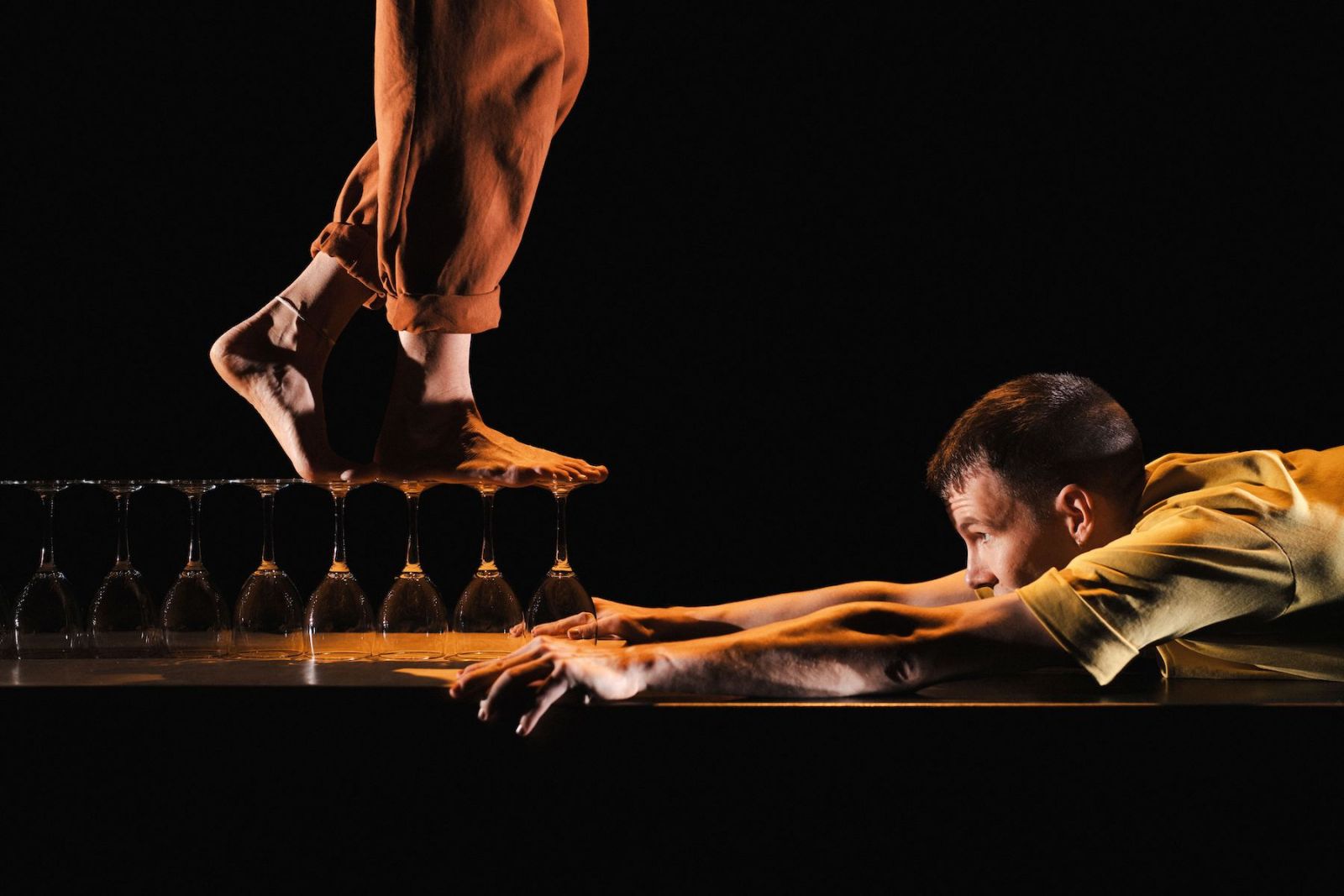
Soft Spot
(Circus)
‘Circus tricks and glass don’t immediately scream ‘match made in heaven’, but they have a surprising amount in common. Both require care and precision to keep them from shattering, and both balance strength and fragility, wrapped up in a simple, crystalline grace. You may not look at a wine glass the same way again after this show, from acrobat Stina Otterström and juggler Arttu Lahtinen, but will come away with a new appreciation for its strange, minimalist beauty.’ (Lucy Ribchester)
Read the full review.
Dom McGovern: Prize Hog
(Comedy)
‘Winning over a Fringe audience who have been queuing in the haar of Edinburgh for 20 minutes longer than expected is no easy task. But Dom McGovern charms them from the off. Prize Hog is McGovern’s debut Fringe hour, but it feels as though he’s been doing this for years. For a show about insecurity, he’s a remarkably confident onstage presence. This isn’t the first hour of stand-up about coming to terms with yourself and your body, but McGovern’s treatment of the subject is consistently laugh-out-loud funny. It’s framed around feeling inadequate on a trip to Brazil, with riffs about Kate Moss, exploitative mid-noughties reality television and a therapist called Wendy Christmas. But what separates this show from the pack is the sheer number of jokes per minute.’ (Matthew Hayhurst)
Read the full review.
Katie Paterson: Afterlife
(Art)
‘Made from materials drawn from landscapes and environments under threat, the five sections (Biosphere, Hydrosphere, Cryosphere, Place & Climate, and Wildfire) cast Paterson as a Scheherazade-like figure. As she breathes new life into old forms, it’s a reminder of their strength gathered across centuries. Collected as both memorial and homage, Paterson’s labours bring home the fragile eco system each piece has sprung from, as a brand new set of myths is conjured into view.’ (Neil Cooper)
Read the full review.
Eva Rothschild: The Void Presses The Wall
(Art)
‘Among the hard angles and minimal grid lines, there is softness woven through this tactile show by the Dublin via Glasgow then London-based artist, Eva Rothschild. Her visual vocabulary sings in the Italian accent of the Memphis Group, founded by Ettore Sottsass and active in the 1980s. Rothschild borrows from the collective’s joyful take on design and architecture, using their signature zig zags, squiggles and triangles, but clashing them with tough urban materials: steel, rebar, graffitied breeze blocks made from resin that looks like polystyrene.’ (Claire Sawers)
Read the full review.
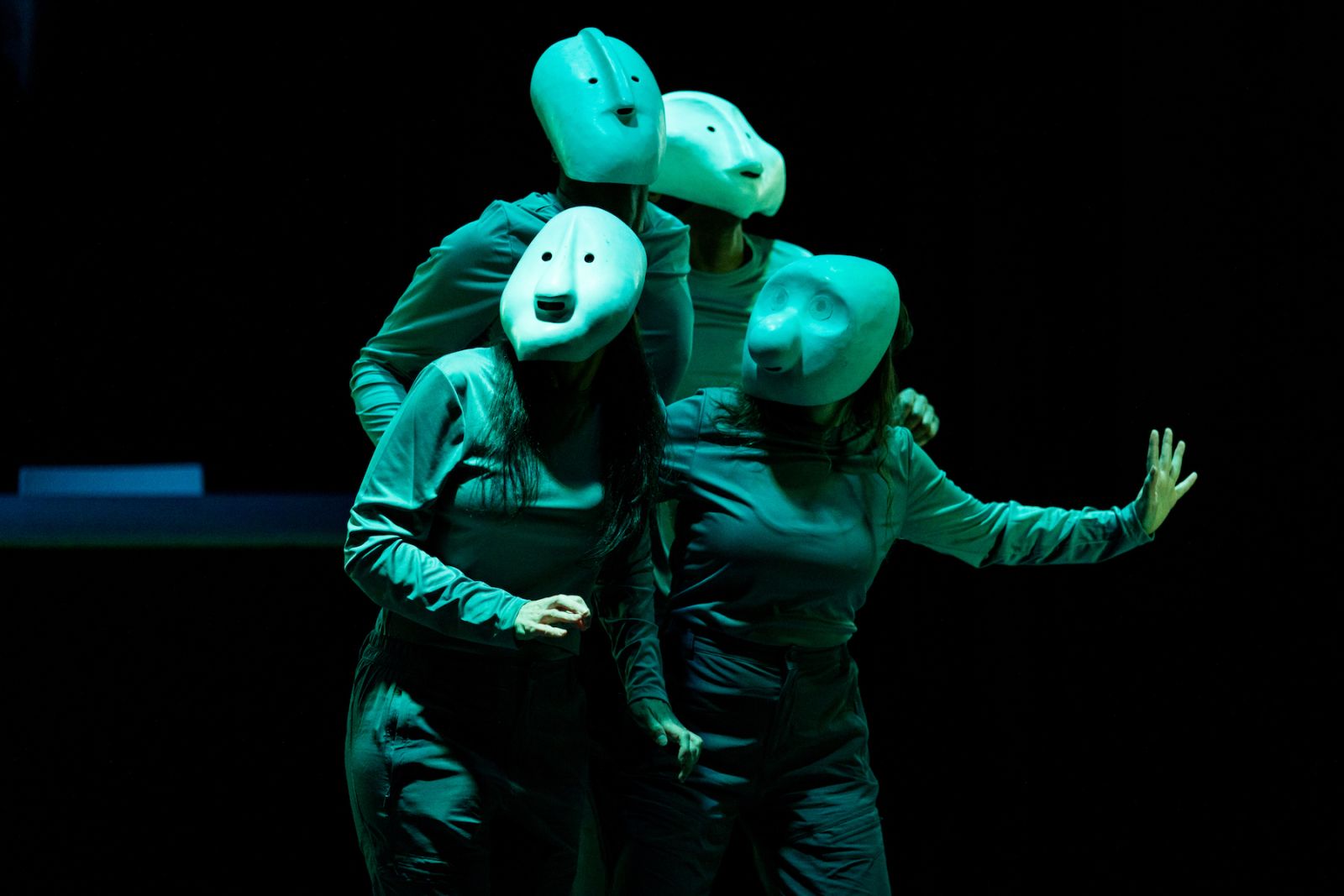
Peregrinations
(Physical theatre)
‘New York’s Dutch Kills bring us a physical theatre show that’s stunning in its simplicity. Although non-verbal, the messages that it shouts silently are powerful. Billed on their website as a puppet show with music, ‘exploring displacement and the immigrant crisis in America’, this is a piece about humans, with themes easily applied to Europe. Bureaucratic horrors, our unwillingness to share resources, the perils of labour and forced migration: many grim details are interchangeable, particularly for those from the global south. ‘ (Claire Sawers)
Read the full review.
Los Angeles Philharmonic: Beethoven 7 And Oritz
(Music)
‘Continuing the International Festival’s theme of all things American, the Los Angeles Philharmonic opened its Usher Hall residency with a programme of Beethoven and Gabriela Ortiz, conducted by the inestimable Gustavo Dudamel. Opening with a warm, buzzing tone, the orchestra maintained a perfect balance of passion and precision. The rhythmic and dynamic contrasts of the second ‘Allegretto’ movement gave the music a real bite, while the third movement (marked ‘Presto’) was bubbly, spritely and light.’ (Miranda Heggie)
Read the full review.
Ihsane
(Dance)
‘In Islam, ‘ihsane’ stands for a connectedness to everything, but it was also the name of a young man, Ihsane Jarfi, who was murdered in a homophobic attack in Belgium in 2012. Both of these inspirations have fed into this ambitious and soulful piece from Belgian-Moroccan choreographer Sidi Larbi Cherkaoui, which brims with colour and bursts with life. Bringing together funeral rites, ceremonial dancing, language and sublime music, it is as much a celebration of the kaleidoscope of living as it is a ritual of mourning.’ (Lucy Ribchester)
Read the full review.
The Cut Of Her Jib
(Theatre)
‘Female rage is a bit of a theme at the Fringe this year, but it’s less common to see it portrayed by its absolute flagbearers: menopausal women. That’s partly why The Cut Of Her Jib, a new play by Kathleen Ruddy, is so satisfying (although seeing Scottish women of one’s own age daring to exist on stage should not feel like such a rare delight in a festival with over 4,000 shows).’ (Jo Laidlaw)
Read the full review.

Burger And A Pint
(Comedy)
‘Pity the poor soul that followed Ted Milligan and James Trickey aka Burger And A Pint at Leicester Square Theatre’s Sketch Off competition. After watching Treats For The Soul, it comes as no surprise they took top prize that day: this debut Fringe show would fill any room with laughter. The duo have the chemistry of your favourite characters in the most bingeable sitcoms. In lightning succession, they present a series of sketches so stupid, they just manage to work.’ (Lucy Mills)
Read the full review.
I Want Your Sex
(Film)
‘Amusing from the start and confronting in its approach to the insecurities, psychology and ambition of millennials and Gen Z, it’s a film that lets no one off the hook in its depiction of cross-generational conflicts. The supporting cast includes Charli XCX as a woman involved in an unhealthy situationship with Elliot, Chase Sui Wonders as his sexually confused housemate and Daveed Diggs as a publicist. Popping with bold colours and irreverent visual gags, Araki’s creation is a sly and hilarious depiction of the bondage of narcissistic and neurotic desires that hold people captive to dysfunctional relationships.’ (Katherine McLaughlin)
Read the full review.
Man or Bear
(Theatre)
‘Writer Sarah Hehir and director Ursula Martinez weave the bear analogy into the narrative with clever subtlety (no spoilers here), silently commenting that while not all men are dangerous (far from it), it can sometimes be hard to know the level of danger you’re encountering. The friendship and love binding these three women together is powerful, but despite their inner emotional strength, they’re forced to look over their shoulder, fearful of falling foul to a different kind of strength. Man Or Bear doesn’t come up with an answer as the question is too big. But it does shine a light on the reality of many women’s lives, none of whom are living in the woods.’ (Kelly Apter)
Read the full review.
Foriegner
(Theatre)
‘This show is surely the Fringiest of them all. Put the musings of a 13th-century Persian philosopher in a blender with testicles, a snake and some meta visuals, blend hard and then destroy the lot to make something new à la mystical poet Rumi. There’s plenty of toilet humour, juxtaposed jarringly with a story about (but also definitely not about) immigration and childhood cancer. More politically incorrect than Borat and more absurdist than The Mighty Boosh, Sohrab Haghverdi’s avant-garde clown show is, beneath all the bodily fluids, an interrogation of identity and what happens when you spend your life trying to perform a version of yourself that other people will accept.’ (Afreka Thomson)
Read the full review.
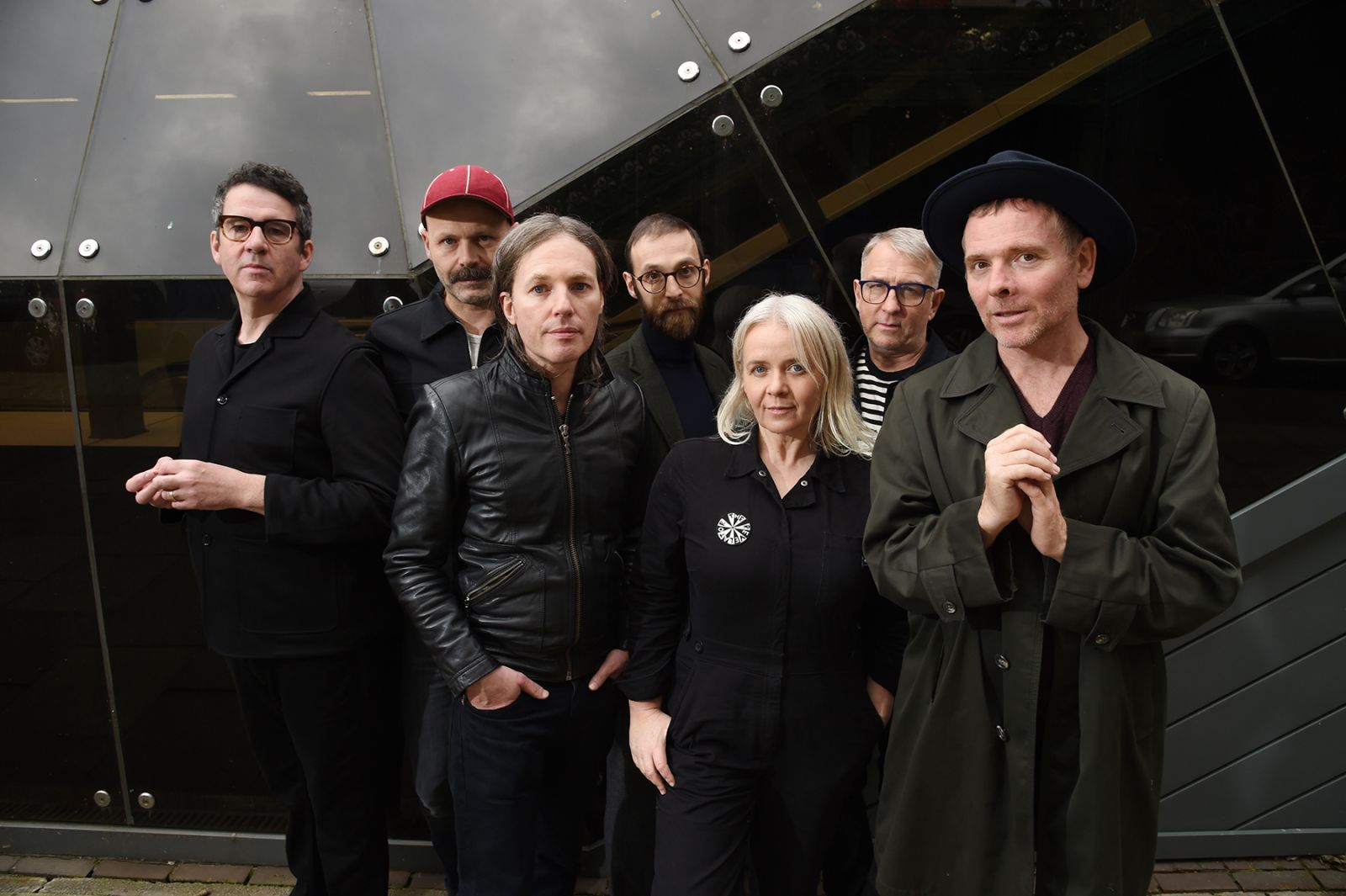
Belle and Sebastian
(Music)
‘Murdoch is a sprightly host, accidentally starting crowd efforts to bring his opera-singing cousin on stage, and searching for his wife among concert goers amid ‘Piazza, New York Catcher’. The energy slightly falters during the post-If You’re Feeling Sinister set, particularly when a mellow closer follows ‘The Boy With The Arab Strap’. Still, with fans boogieing on stage, there is an ever-present radiance. Murdoch muses on the longevity of LPs, and the bizarre sensation of retreading old footsteps. But in breathing new life into a beloved album, this tour is not a rehash of old glory days, but a sparkling space for shared stories.’ (Juliette Pepin)
Read the full review.
The Jolly Fisherman
(Theatre)
‘From start to finish, you’ll be captivated by this timely tale that is as tender as it is hilarious. Packed with witty lines and tender moments, writer John Dinneen expertly lays out a story that is simple in concept but ambitious in subject matter. Better yet, the actors seamlessly pull off a demanding performance (bar a questionable Irish accent), making a two-man show feel like a full ensemble cast. The Jolly Fisherman doesn’t miss a beat in execution and pulls at every heartstring along the way.’ (Lucy Mills)
Read the full review.
Ed Night: We’ll Be Alright, Darling
(Comedy)
‘Night holds a confidence that lets him take charge of the room with ease. The wordsmith is unafraid to veer off-script, at times assigning extravagant backstories (such as a time-travelling future version of himself reminiscing on the good old days) to unassuming audience members. After more than a decade on stage and recent online success, he remains firmly in touch with the zeitgeist. We’ll Be Alright, Darling positions him as a Fringe it-boy.’ (Lucy Mills)
Read the full review.
Kevin Quantum: Invisible Force
(Cabaret)
‘He remains a delightfully warm host, guiding audience participants through routines like a genial researcher rewarding his patients with biscuits; we are, after all, just test subjects here. The purpose of Invisible Force is to illustrate that science and magic are not opposing forces. You can enjoy the methodology within the craft of a mystery, thus appreciating the spectacle of the scientific forces around us. Half seminar, half your pal showing you card tricks at a party, the result is pure magic.’ (Domnic Corr)
Read the full review.
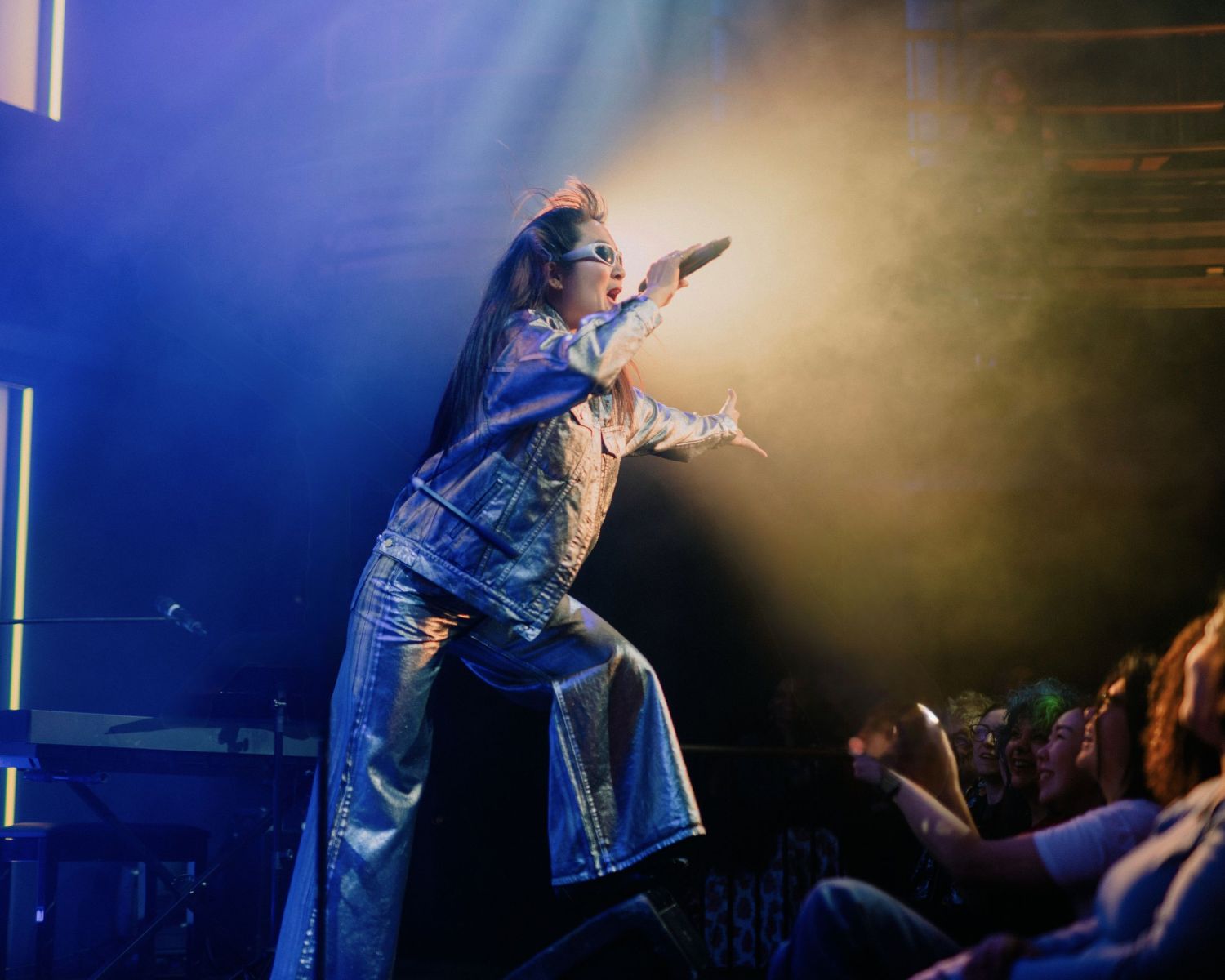
Charlene Kaye: Diversity Shredder
(Comedy)
‘Something of an anomaly in parody music, her hilarious adaptations match the technical aptitude of the originals, with her musical background and rich vocals shining through (her Lady Gaga is spot on). While playful throughout, she doesn’t hesitate to call out blatant industry racism. The show doubles as a well-informed history lesson on Asian representation in western music (or lack thereof). Her ability to also pull at your heartstrings will dismiss any doubt that Charlene Kaye can do it all.’ (Lucy Mills)
Read the full review.
Douglas Gordon By Douglas Gordon
(Film)
‘There has always been a performative element to the work of Douglas Gordon, the Turner Prize-winning Scottish artist responsible for groundbreaking landmarks 24 Hour Psycho and Zidane: A 21st-Century Portrait. In this self-deprecating, confessional film, the artist lays bare his own demons. Seen setting fire to a bunch of flowers while he photocopies them or torching a grand piano on a beach, Gordon’s enfant terrible actions suggest his willingness to be seen as ‘playing to the crowd’. Discussing his art, he makes an incisive remark: ‘If it wasn’t me who did it, I’d probably like it more.’ (Eddie Harrison)
Read the full review.
The 40-Year-Old Ballerino
(Theatre)
‘What starts as a love story soon becomes a masterclass in yearning. Davis pays homage to the romcom Say Anything, holding a boombox aloft as he pines for the dancer who left him cast adrift after relocating her life and career from Philadelphia to Japan. It’s a powerful dissection of the relationship and his succinct spoken word delivery is effective, to the point of making it easy to forget that he dances without remission throughout the entire piece. Davis notes that during a ballet lesson, you must never turn your back on the barre: it’s clear that he never will.’ (Danny Munro)
Read the full review.
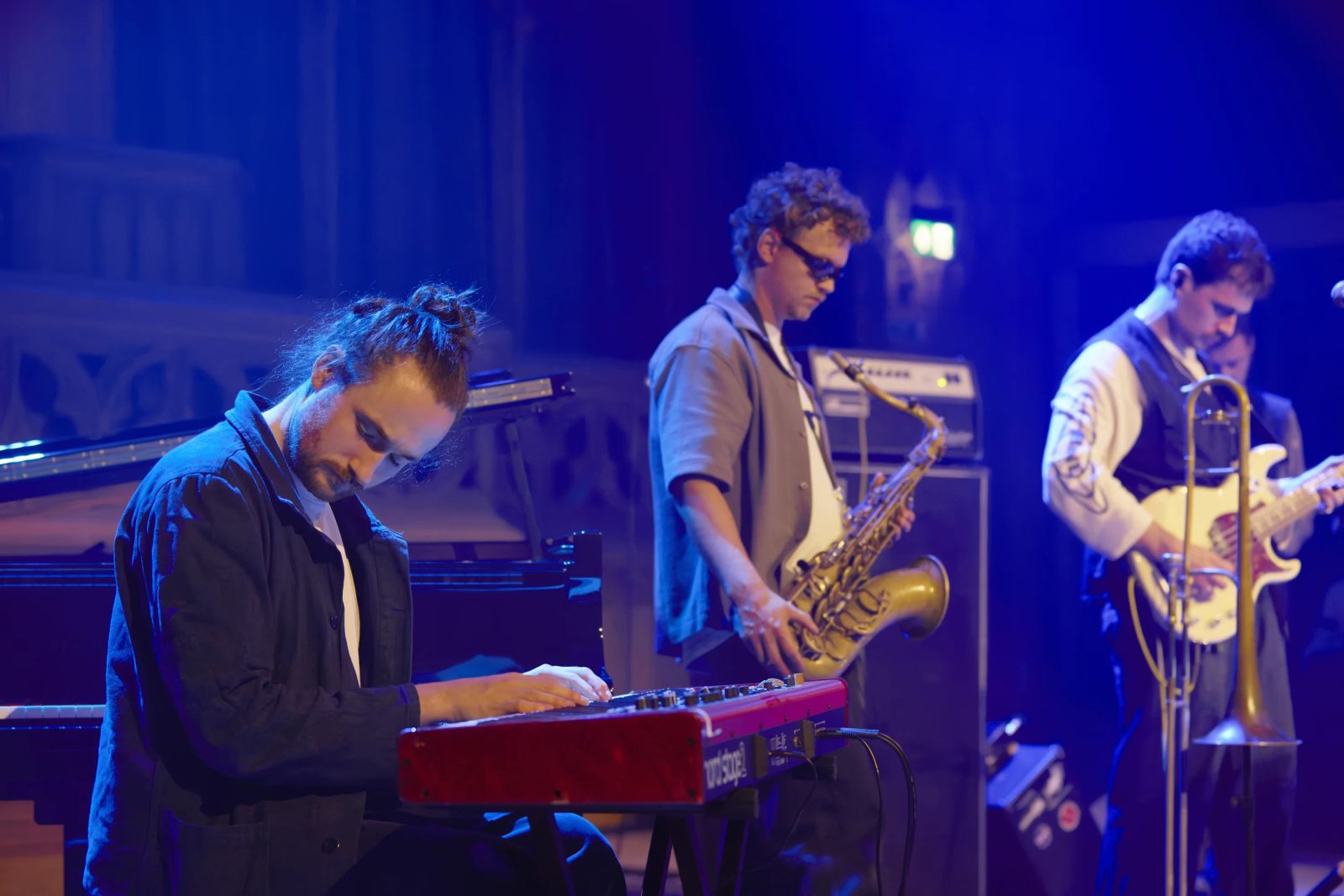
Corto.Alto
(Music)
‘Enthusiasm radiates from Shortall in both his music and his playing. More often than not, he’ll set a beat on his looper, watch in awe for a while as his bandmates jam, then holler an instruction with the air of an irrepressible foreman, seemingly lost in the magic of his creation. He’s a bandleader happy to cede the floor to his collaborators, even passing his launchpad to a teenage boy in the front row during a rousing closer. It remains a pleasure to watch Corto.Alto crack a window on a previously stuffy jazz scene.’ (Kevin Fullerton)
Read the full review.
Woodhill
(Theatre)
‘This explosive piece of dance theatre captures the trauma and tragedy of young men’s lives lost to suicide (33 at last count) at HMP Woodhill near Milton Keynes. Depressingly, three years since it debuted, their families’ fight for justice goes on. Disembodied voices narrate touching testimony from those left behind, as well as prison staff and other experts. One witness grimly relates how the authorities spent so long trying to keep the men safe from each other, they forgot to keep them safe from themselves. That failure to protect vulnerable inmates with mental health issues has inspired both writer/director Matt Woodhead’s thrilling work and the ongoing campaign to make the prison safer.’ (Paul McLean)
Read the full review.
Bliss
(Musical)
‘From tender ballads to hip-hop infused beats, Bliss proves a genre-defying success, backed by powerhouse vocals from its four leads. Resisting the empty-headed conformity of Disney heroines, the show gives its princesses nuance and individuality. While attempts to subvert these tropes can feel self-congratulatory and patronising, Bliss goes further, questioning how princesses are expected to appear and behave. This comedic self-awareness keeps its critique from becoming preachy, while the dialogue remains deliciously witty.’ (Jess Ewing)
Read the full review.
Bog Witch / main picture: Rosie Powell.