Robbie Gordon on Wonder Fools: 'We keep it as punk as possible'
Since 2020, the duo behind Glasgow’s Wonder Fools have been bringing together top-class playwrights and aspiring young theatre-makers. Mark Fisher hears more about Positive Stories For Negative Times, a theatrical balm in this unsettling era
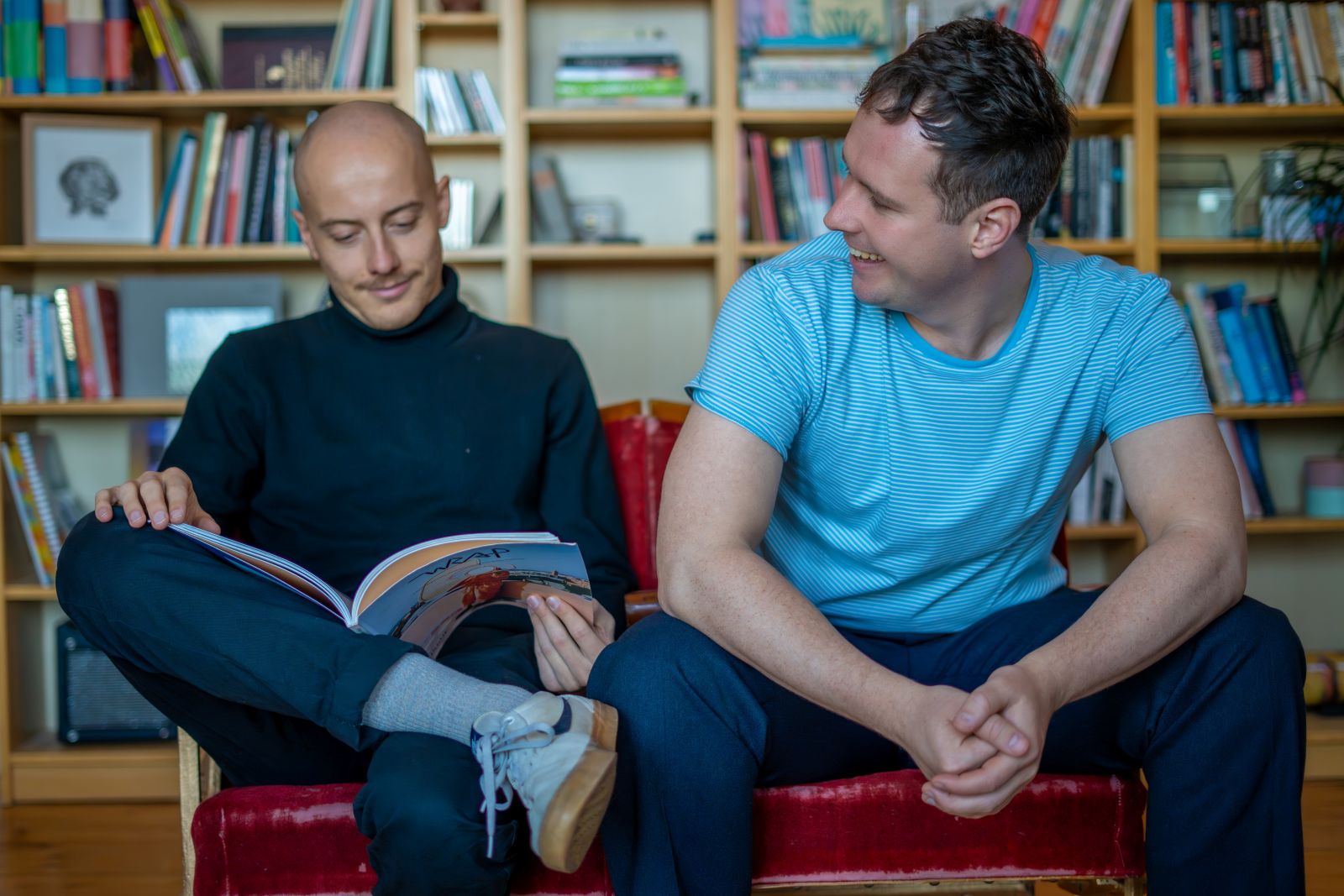
To sit and hear Robbie Gordon reel off figures is a mind-boggling thing. He is talking about Positive Stories For Negative Times, a project you might never have heard of even if you are familiar with Wonder Fools, the Glasgow theatre company he runs with Jack Nurse. The pair have been acclaimed for productions such as 549: Scots Of The Spanish Civil War, a revival of David Greig’s The Events, and Tether, a Fringe First-winning collaboration with South Korea’s Theatre San. But you have to look to Positive Stories For Negative Times to see the big numbers.
Since launching in 2020, the scheme has engaged 11,583 young people from 817 groups in 23 countries; and that is only the participants they know about. It was a hit from the very first year, an online response to the pandemic. ‘We thought we’d say to the funders that we would reach 750, and if we managed to hit that figure we’d be laughing,’ says Gordon. ‘But the numbers kept ticking up. Two or three thousand young people did the project online in 15 countries.’
This is the deal: every year, Wonder Fools commissions a handful of playwrights to write a one-hour script that would be suitable for staging by children and young adults. Those scripts are then made available, royalty free, for 12 months. Anyone can put them on, be they groups of friends, drama clubs or schools. And each year, Methuen Drama publishes an anthology, giving the scripts an extra lease of life. The list of commissions to date reads like a who’s who of contemporary playwrights, having featured Travis Alabanza, Tim Crouch, Robert Softley Gale, Ella Hickson, Bryony Kimmings, Hannah Lavery, James Ley, Sabrina Mahfouz, Douglas Maxwell and Adura Onashile.
The 2026 intake is no less impressive. It features Maryam Hamidi who has recently been writing for TV on Vigil and Lockerbie; Greg McHugh of Gary: Tank Commander fame; Johnny McKnight, everybody’s favourite panto dame; Ned Glasier, best known as a youth theatre director; and Alex Medland, a young writer selected through a national call-out. The list is completed by New York’s Xhloe And Natasha with Pirate Play. This year, these darlings of the Edinburgh Festival picked up their fourth consecutive Fringe First for Bigfoot Ripped My Dog In Half I Saw It, a send-up of conspiracy theories and small-town paranoia.
Such is their physical presence, it is easy to forget that these two high-precision performers are excellent playwrights as well as superb clowns. Their satirical takes on American life in And Then The Rodeo Burned Down (2022), What If They Ate The Baby? (2023) and A Letter To Lyndon B Johnson Or God: Whoever Reads This First (2024) are tightly crafted pieces of writing. They are delighted to be recognised in this way. ‘We do appreciate being taken seriously,’ says Xhloe Rice when we meet during August at Summerhall. ‘One of our strongest sensibilities is the way we set up stories and build worlds.’
So used to being a cast of two, Rice and stage partner Natasha Roland relished the chance to write for many voices and to leave the directorial decisions to someone else. ‘There was something really exciting about knowing we didn’t have to perform it,’ says Roland. ‘We were writing our Bigfoot show at the same time, which was the most stressful thing, and this one was so much fun, to lay into the stage directions and say they’re going to have to make the boat and how they do it is up to them. One of our favourite compliments is when people say, “I didn’t know theatre could be this”, so when we’re working with young people we want them to think outside the box.’
Pirate Play reminds them of being at high school together, getting involved in productions in which, somehow, a part would be found for everyone. ‘We did Into The Woods with 40 people,’ laughs Rice. ‘They were playing trees and all sorts of things. You were having to bring your own costumes and sometimes you’d have to direct and choreograph your own bits; it was like the start of what we do now. We liked the idea of writing something that was awesome if 100 people performed it, but it could also be performed by 12.’
‘We have been itching to do pirates!’ says Roland, having ticked off cowboys, housewives and boy scouts in previous shows. ‘A pirate ship is the perfect piece where anyone can be on the boat. We have a captain and a first mate, but then we were like, “let’s put a witch on there!”’
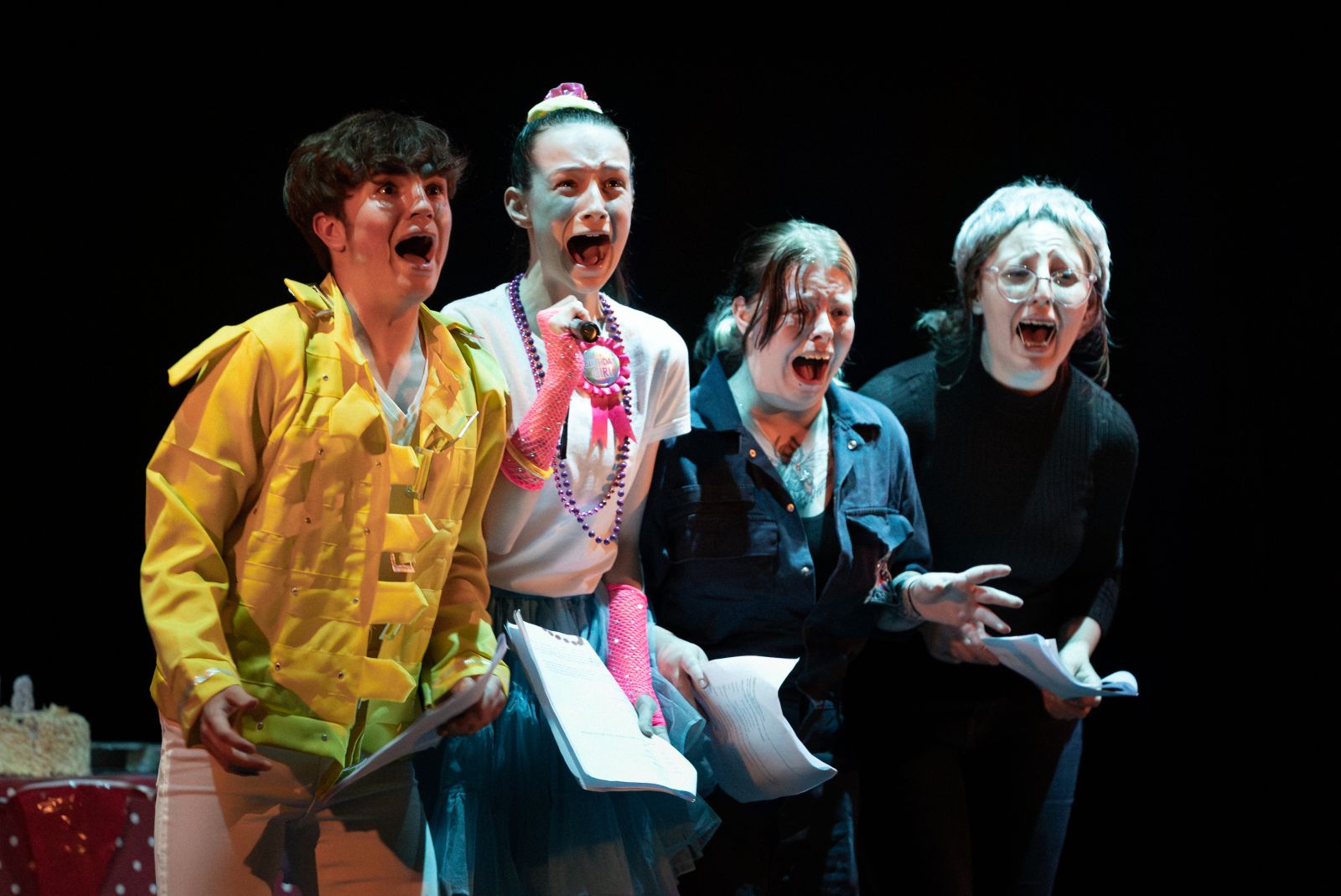
To get to this stage, it was not Gordon and Nurse they had to impress. True to Wonder Fools’ ethos of participation for all, a youth board makes the key decisions about Positive Stories For Negative Times. A new board is in place, drawn from all over Scotland. ‘They essentially dramaturg the plays, working with the writers,’ says Nurse.
‘They were so honest,’ says Roland. ‘They just said, “this is what we like and this what we don’t like”. It was brilliant feedback and gave us a lot to go back to.’
‘We had rats as a B-plot idea,’ says Rice. ‘Then in the meeting with the youth board, they loved the rats so much we ended up making them a central part of the show.’
Six weeks before the October release of the scripts, 450 young people had already signed up to perform Pirate Play. Wonder Fools expects the first productions will take place a month after that, although the timing is entirely down to the groups. It will not end there. Increasingly, graduates of the project are getting involved in Wonder Fools’ adult productions, a testament to the company’s commitment to accessibility. ‘We also say you can’t charge for tickets,’ says Gordon. ‘It means all the young people and their parents get to come and see it. We keep it as punk as possible to make sure there are no barriers to access.’
See more about the project at the Positive Stories For Negative Times website; main picture: Jay Paterson.